Kickback isn’t random; it occurs when specific conditions align, like cutting with the nose of the chainsaw or when the blade pinches or binds in the cut. Proper tool calibration and operator technique play key roles in preventing it. If you force the tool or cut at awkward angles, you’re more likely to trigger a sudden kickback. Understanding these precise patterns helps you stay safe—if you want to learn more about how to identify and avoid these triggering cuts, keep exploring the details.
Key Takeaways
- Kickback occurs when the saw’s nose catches or pinches the material, especially during cuts at awkward angles.
- Improper handling, such as forcing the tool or poor body positioning, increases the likelihood of triggering kickback.
- Uncalibrated or dull chainsaw teeth can catch unexpectedly, leading to sudden reactions.
- Cutting into materials that cause the chain to bind or pinch significantly raises kickback risk.
- Recognizing these specific conditions and patterns allows for proactive prevention of kickback incidents.
Have you ever wondered if kickbacks happen by chance or if there’s a pattern behind them? The truth is, kickbacks aren’t random accidents; they’re often the result of specific conditions or improper techniques. Understanding what triggers a kickback requires paying close attention to how you handle your tools and how well they’re calibrated. When your tools aren’t properly calibrated, they can behave unpredictably, increasing the risk of kickbacks. For example, a chainsaw with dull or misaligned teeth can catch unexpectedly, suddenly jerking your arm and causing a dangerous kickback. Proper tool calibration is essential because it ensures the equipment operates smoothly and predictably, reducing the chance of sudden, violent reactions. Recognizing the importance of tool calibration can significantly improve safety during operation.
Beyond tool calibration, your operator technique plays a vital role in preventing kickbacks. Many accidents happen because operators don’t follow safe handling practices or try to force the tool through difficult cuts. If you push too hard or try to cut against the grain without proper control, you’re more likely to trigger a kickback. The way you position your body, grip the tool firmly but not overly tight, and maintain a steady, controlled motion all influence whether a kickback occurs. Skilled operators anticipate the tool’s response and adjust their technique accordingly. Using the right stance, keeping the saw’s nose from binding or catching, and avoiding forced cuts help control the tool’s behavior, minimizing the risk of sudden reactions.
It’s important to recognize that certain cuts are more likely to cause kickbacks because of the way the tool interacts with the material. For instance, making a cut that pinches the blade or chain, or cutting at an awkward angle, can set off a kickback. These are not random incidents but predictable outcomes when specific conditions align. By understanding these patterns, you can prevent them. Regularly inspecting and adjusting your tools to ensure they’re in peak condition is a key step. When your tools are properly calibrated, they respond more predictably to your movements, making it easier to maintain control and avoid dangerous situations.
In essence, kickbacks aren’t a matter of luck. They are a pattern of events that stem from improper tool calibration and operator technique. Recognizing these factors allows you to take proactive steps—keeping your tools well-maintained and honing your handling skills—to prevent potentially severe injuries. The more mindful you are of these details, the safer your work will be, making kickbacks less of a surprise and more of a preventable hazard.
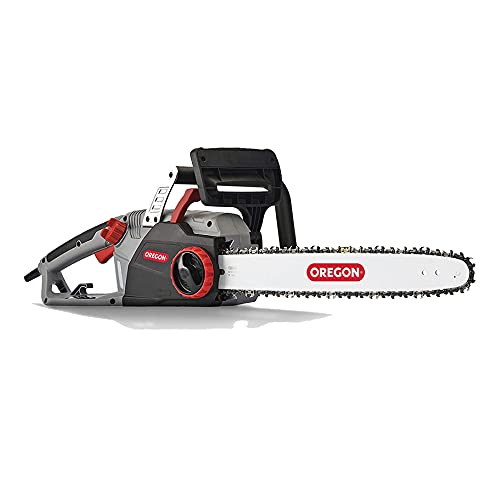
Oregon CS1500 Self-Sharpening Electric Chain Saw
- Powerful 15A motor: Electric chainsaw with long-lasting guide bar
- Self-sharpening system: Sharpens chain in 3-5 seconds
- Ergonomic safety design: Includes Chain Brake for safety
As an affiliate, we earn on qualifying purchases.
As an affiliate, we earn on qualifying purchases.
Frequently Asked Questions
How Can I Prevent Kickback During Woodworking Projects?
To prevent kickback during woodworking, always check blade alignment before starting. Make certain your saw blade is straight and secure, as misaligned blades can cause sudden jumps. Pay attention to the wood grain; cut with the grain rather than against it to reduce resistance. Use push sticks and maintain steady pressure, avoiding forcing the cut. Keeping your workspace clean and sharp blades also help minimize the risk of kickback.
Are Certain Tools More Prone to Causing Kickback?
Certain tools are more prone to causing kickback, especially if your blade tension isn’t set correctly or if you’re working with high material density. For example, a table saw or circular saw with a dull or improperly tensioned blade can increase kickback risk. Always check blade tension, use sharp blades, and adjust for material density to minimize the chance of kickback during your woodworking projects.
What Safety Equipment Should I Use to Avoid Injury?
You should always wear personal protective gear like safety glasses, gloves, and hearing protection, as studies show that proper gear reduces injury risk by over 70%. This equipment shields you from flying debris, cuts, and loud noise. Additionally, keep an emergency response plan handy, so you can react quickly if kickback occurs. Always stay alert, follow safety guidelines, and never operate tools without the right protective gear to stay safe.
Does Kickback Happen With All Types of Saws?
Kickback doesn’t happen with all saws, but it can occur with most if you don’t maintain your saw blade properly. Regular saw blade maintenance is key to woodworking safety, as dull or damaged blades increase the risk. Always confirm you’re using the right blade for your cut, keep your saw’s safety features in check, and stay alert during operation. Properly maintained tools help prevent kickback and keep you safe.
How Can I Identify Early Signs of Dangerous Kickback?
You might think you’re safe, but early signs of dangerous kickback include blade binding and uneven cuts—obvious hints something’s wrong. When the saw struggles or the cut veers off course, it’s a warning sign that the blade may be binding or catching, risking kickback. Pay close attention to these signs; ignoring them could lead to a sudden, forceful reaction. Stay vigilant to keep yourself safe.
Conclusion
Now that you see the pattern, kickback isn’t just a rogue wave crashing unpredictably; it’s a carefully timed ripple in a pond, each cut a pebble sending vibrations through the surface. When you understand exactly which cut triggers it, you’re wielding a flashlight in a dark room, illuminating the hidden pathways. So, next time you encounter kickback, remember, it’s not chaos but a dance of precise, deliberate steps waiting to be uncovered.