
When cross-cutting on hillsides, you must assess the terrain carefully, choosing stable, firm ground and avoiding loose soil or steep slopes. Always handle your tools safely with well-maintained blades, proper safety gear, and firm control. Keep your body balanced, stay aware of debris and terrain stability, and plan your cuts to minimize repositioning. Combining terrain awareness with strict safety practices guarantees your work is safe and effective—continue exploring to master these essential techniques.
Key Takeaways
- Assess and select stable, firm ground, avoiding loose soil and steep slopes to ensure safety during cross-cutting.
- Use well-maintained tools with proper safety features, wearing gloves, eye protection, and sturdy boots.
- Maintain balanced body positioning, keeping a firm footing and controlling tools with both hands.
- Clear the work area of obstacles and plan cuts carefully to minimize repositioning and reduce risk.
- Continuously monitor terrain stability and tool condition, avoiding rushed work and ensuring area safety.

Cross-cutting on hillsides can be dangerous if you don’t take proper safety precautions. The uneven terrain stability makes it easy for slips, slides, or falls to occur, especially if the ground is loose or wet. To protect yourself, you need to be mindful of the terrain’s condition before starting any cross-cutting tasks. Carefully inspect the slope for loose soil, rocks, or other unstable patches that could cause your footing to shift unexpectedly. Always choose a stable area with firm ground to work on, and avoid cutting across steep or heavily tilted sections of the hillside. Remember, your safety depends on recognizing and respecting the natural limitations of the terrain.
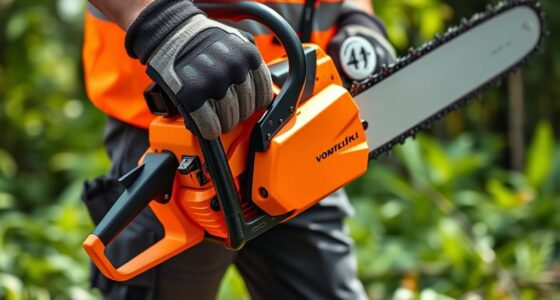
Tool safety is equally critical. Using the right tools for hillside cross-cutting, and handling them properly, reduces the chance of accidents. Sharp blades or chainsaws should be well-maintained; dull tools require extra force, increasing the risk of losing control. When working on a hillside, keep a firm grip on your tools and ensure your hands are dry to prevent slipping. Always wear safety gear such as gloves, eye protection, and sturdy boots to shield against flying debris or accidental slips. Never overreach or stretch beyond your comfortable reach—stability is compromised when you extend too far, increasing the risk of falling or losing control of your tool.
Positioning your body correctly is essential for safety. Keep your weight centered and balanced, and position yourself so that you can maintain a firm footing. When cutting, avoid standing directly above the tool or in a position where a kickback could push you off balance. Use both hands whenever possible to control your equipment and keep your body aligned with the cut. Be aware of the direction the debris will go—cut away from your body, and clear the area of bystanders before starting. Always follow the manufacturer’s safety instructions for your tools, and verify that all safety features are engaged before you begin. Additionally, understanding how to properly handle tools can significantly reduce your risk of accidents and injuries.
Lastly, plan your work carefully. Clear the area of obstacles that could trip you up, and think through your cuts to avoid unnecessary repositioning. Take your time, and don’t rush—hurrying can lead to mistakes and accidents. Stay alert, and constantly monitor the stability of the terrain and the condition of your tools. When you combine awareness of terrain stability with diligent tool safety practices, you considerably reduce the risk of injury. Cross-cutting on hillsides may be inherently risky, but with cautious planning and proper safety measures, you can do it effectively and safely.
Frequently Asked Questions
What Are the Best Times of Day for Safe Hillside Cross-Cutting?
The best times of day for safe hillside cross-cutting are during daylight hours when visibility is at its peak. You should consider timing considerations to avoid working during dawn or dusk, as limited light can make it hard to see your cuts clearly. Aim for mid-morning or early afternoon when the sun provides ample light, ensuring you can accurately judge the terrain and avoid hazards.
How Should Weather Conditions Influence Crossing Decisions?
You should avoid crossing when weather hazards like heavy rain, snow, or strong winds are present, as they can make terrain assessment difficult and increase slip or fall risks. Always check weather forecasts before crossing, and if conditions worsen, delay your crossing until it’s safer. Good terrain assessment becomes critical in poor weather, so be cautious and prioritize safety over completing the task on schedule.
What Personal Protective Equipment Is Recommended?
You should always wear a protective helmet and safety gloves when crossing hillsides. The helmet protects your head from falling debris or slips, while safety gloves help maintain grip and prevent injuries from sharp or rough surfaces. Always guarantee your equipment fits properly and stays in good condition. Using this protective gear reduces your risk of injury, especially in challenging weather conditions or uneven terrain. Stay safe and be prepared.
How Can I Identify Unstable or Risky Terrain?
Think of terrain assessment as your compass in a jungle of risks. You can spot unstable or risky terrain by looking for risk indicators like loose soil, cracks, or uneven ground. Watch for signs of recent erosion or water runoff, which weaken hillside stability. Always test the ground with your boots before working, and trust your instincts—if something feels off, it’s better to pause and reassess to stay safe.
What Rescue Steps Should Be Taken if an Accident Occurs?
If an accident happens, prioritize emergency response and risk management. First, secure the scene to prevent further injury, then call for help immediately. Keep the injured person stable and avoid moving them unless there’s an immediate danger. Use first aid if trained, and stay calm. Your quick, organized response minimizes risks and ensures the injured get proper care, helping to manage the situation effectively until professional help arrives.
Conclusion
When you’re cross-cutting on hillsides, safety isn’t optional—it’s essential. Remember, slips and falls happen in just 12% of hillside accidents, but proper techniques cut that risk drastically. Stay alert, keep your footing secure, and always plan your cuts carefully. By following these simple steps, you can reduce hazards and work confidently. Prioritize safety every time; it keeps you protected and your project moving smoothly. Your safety is worth every cautious step.