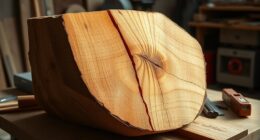
You can turn wood waste into biochar easily by collecting dry branches, sawdust, or scrap lumber and burning them in low-oxygen conditions, like a simple kiln or pit, to prevent full combustion. Let the burn smolder slowly until the smoke reduces, then cool the biochar before handling. Crushing or grinding it makes application easier, and soaking it in water or composting activates it. Keep exploring to discover more ways to create and use biochar effectively.
Key Takeaways
- Collect dry wood waste like branches or sawdust for biochar production.
- Use basic kilns or build simple pit burns to smolder wood in low-oxygen conditions.
- Burn wood until it chars and smoke diminishes, then let it cool before handling.
- Crush or grind cooled biochar into smaller pieces or powder for easier application.
- Activate biochar by soaking in water or composting for a few weeks to enhance nutrient content.

Biochar from wood waste is gaining popularity as an eco-friendly way to improve soil health and reduce waste. If you’re looking to enhance your garden or farm, creating biochar is a straightforward process that offers numerous benefits. One of the key advantages is soil enhancement. When added to soil, biochar improves its structure, increases water retention, and promotes healthy microbial activity. This results in more fertile, resilient soil that supports vigorous plant growth. Plus, biochar’s porous nature allows it to hold nutrients more effectively, reducing leaching and helping your plants access essential minerals longer. Additionally, using modern equipment can make the production process more efficient and safer.
Another significant benefit of producing biochar from wood waste is its role in carbon sequestration. As you convert woody debris into biochar, you lock carbon into a stable form that can remain in the soil for hundreds or even thousands of years. This process helps you combat climate change by removing excess carbon dioxide from the atmosphere. When you use biochar in your soil, you’re not only enhancing its quality but also actively contributing to carbon storage, making your gardening or farming efforts more sustainable.
Converting wood waste into biochar sequesters carbon, helping combat climate change and making your gardening efforts more sustainable.
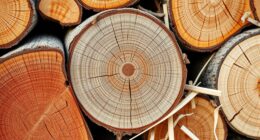
Creating biochar at home or on a small scale is surprisingly simple. You start by collecting dry wood waste—branches, sawdust, or scrap lumber—that would otherwise go to waste. To produce biochar, you can use a basic kiln or even build a simple pit burn. The process involves burning the wood in a low-oxygen environment, which is essential to prevent complete combustion. As the wood smolders, it transforms into charcoal. Once the burning slows and the smoke diminishes, you let the remaining material cool down before handling. Using proper ventilation during the process ensures safety and reduces emissions.
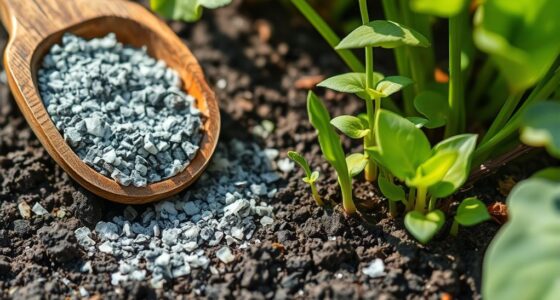
After cooling, crush or grind the biochar into smaller pieces or powder, making it easier to incorporate into your soil. Before application, some gardeners prefer to activate the biochar by soaking it in water or composting it for a few weeks. This step helps to charge the biochar with nutrients and beneficial microbes, boosting its soil enhancement properties. When ready, mix the biochar into your soil, ideally at a ratio of about 10% by volume, to see noticeable improvements in plant growth and soil health.
Frequently Asked Questions
How Long Does It Take to Produce Biochar From Wood Waste?
It typically takes about 1 to 3 hours to produce biochar from wood waste, depending on pyrolysis duration and wood moisture. If your wood is dry, the process is faster, usually closer to an hour. Moisture in the wood slows down pyrolysis, extending the time needed. By controlling temperature and ensuring proper drying, you can optimize the process to produce biochar efficiently within this timeframe.
What Equipment Is Needed for Small-Scale Biochar Production?
Imagine turning your backyard into a tiny industrial revolution—here’s your gear: a metal drum or kiln, a drill for ventilation, and a sturdy stand. Equipment essentials include a lid, fire source, and a way to safely contain the process. Safety precautions are crucial—wear heat-resistant gloves, eye protection, and guarantee proper ventilation. Keep a fire extinguisher handy; after all, even small-scale chaos needs control.
Can Biochar Be Used Directly in Composting?
Yes, you can use biochar directly in composting. Adding biochar enhances soil by improving soil enhancement and increasing nutrient retention. When you mix biochar into your compost, it helps stabilize nutrients, reduces odors, and boosts microbial activity. This results in richer, healthier compost that promotes plant growth. Just make sure the biochar is crushed into smaller pieces for better integration, and you’ll see the benefits in your garden or crop soil.
Are There Safety Risks Involved in Making Biochar at Home?
Yes, making biochar at home can pose safety risks if you’re not careful. You should follow safety precautions like wearing gloves, eye protection, and working outdoors in a well-ventilated area to avoid fire hazards. Keep a fire extinguisher nearby, and never leave the process unattended. Ensuring proper ventilation and handling hot materials carefully minimizes risks, making the process safer and more manageable.
How Do I Test the Quality of Produced Biochar?
To test your biochar’s quality, start by checking its soil amendment potential. You can perform a simple burn test to see if it burns cleanly without producing smoke or ash, indicating high carbon content. Additionally, send a sample to a lab for more accurate analysis, focusing on its carbon content and porosity. High-quality biochar improves soil health, retains nutrients, and enhances plant growth.
Conclusion
Don’t worry if you think making biochar is complicated—it’s actually simple and affordable. Using wood waste not only helps you recycle and reduce trash but also creates a valuable soil enhancer that benefits your garden. Even if you’re new to this, straightforward methods make it easy to get started. Embrace these eco-friendly practices, and you’ll see how small efforts can make a big difference for your plants and the environment.