The carbon question around firewood centers on whether burning wood adds to climate change. When you use responsibly harvested firewood, trees absorb carbon dioxide as they grow, balancing the CO2 released when you burn it. Sustainable practices guarantee forests can regrow, keeping carbon emissions in check. If you choose certified sources and burn efficiently, firewood can be a climate-friendly option. Want to discover more about making your firewood use eco-friendly? Keep exploring.

Get business pricing on tools and workshop supplies
- Business-only prices and quantity discounts
- Tax-exempt purchasing
- Multiple users, one account, clear invoices
Key Takeaways
- Burning firewood releases carbon dioxide, but sustainable harvesting balances emissions with the carbon absorbed during tree growth.
- Proper forest management ensures trees can regrow, maintaining a renewable cycle and supporting carbon neutrality.
- Using certified or responsibly sourced firewood reduces environmental harm and preserves forest ecosystems.
- Efficiently burned, seasoned firewood produces fewer emissions and particulate matter, lowering its carbon footprint.
- Overall, firewood’s climate impact depends on sustainable sourcing and proper burning practices.
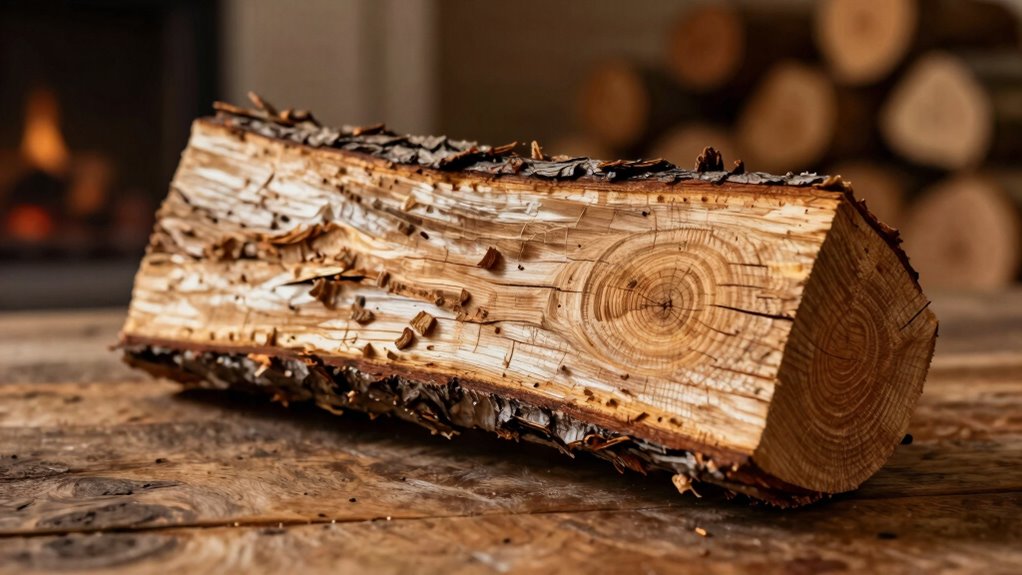
Have you ever wondered how burning firewood impacts the environment? It’s a question many people ask, especially as more folks look for eco-friendly ways to heat their homes. The answer isn’t straightforward, but it largely depends on how the wood is sourced and managed. When firewood is harvested sustainably, it means you’re cutting trees in a way that allows forests to regenerate naturally, maintaining the health of the ecosystem. This practice minimizes environmental damage and guarantees that wood supplies can be replenished over time. If you’re committed to sustainability, choosing firewood from sustainably harvested sources is vital because it reduces the risk of deforestation and habitat loss.
One of the key concepts in this debate is carbon neutrality. Trees absorb carbon dioxide as they grow, acting as natural carbon sinks. When you burn firewood, that stored carbon is released back into the atmosphere. However, if the wood comes from forests managed sustainably, the cycle can remain balanced over time. Fundamentally, the carbon released during burning is offset by the carbon the trees absorbed while they were alive. This creates a kind of carbon neutrality—where the net addition of carbon dioxide to the atmosphere is minimized. It’s a significant point in favor of firewood if it’s sourced responsibly, because it suggests that the process doesn’t necessarily contribute to long-term climate change, unlike fossil fuels.
Sustainable firewood balances carbon release and absorption, supporting climate-friendly heating when sourced responsibly.
Still, it’s important to recognize that not all firewood practices are equal. Unsustainable harvesting can lead to deforestation, soil erosion, and loss of biodiversity, all of which worsen environmental health. When you choose firewood, look for suppliers who prioritize sustainable harvesting methods. This might include certification labels or transparency about their forest management practices. They guarantee the trees are harvested in a way that supports forest regeneration and maintains biodiversity. Additionally, using seasoned firewood that burns efficiently can reduce smoke emissions and improve air quality, further lessening its environmental impact. Incorporating forest management practices can help ensure the long-term health of our forests while providing sustainable resources. Properly managed forests also play a role in climate regulation, helping to mitigate temperature extremes and maintain local ecosystems. Moreover, adopting sustainable harvesting techniques can help minimize soil disturbance and protect wildlife habitats during wood collection.
Furthermore, implementing these practices can also contribute to carbon sequestration, which enhances the forests’ ability to absorb and store atmospheric carbon. To maximize environmental benefits, it’s also advisable to consider the carbon emissions produced during combustion and opt for methods that reduce smoke and particulate matter.
In the end, the carbon question around firewood isn’t about whether firewood is inherently bad or good but hinges on how it’s sourced and used. When responsibly harvested and burned efficiently, firewood can be part of a sustainable heating solution that aligns with principles of carbon neutrality. It’s up to you to make informed choices—by supporting sustainable harvesting practices, you help guarantee that firewood remains a renewable, eco-friendly resource. This way, you can enjoy the warmth of a fire without compromising the health of our planet.
As an affiliate, we earn on qualifying purchases.
Frequently Asked Questions
How Does Firewood Compare to Fossil Fuels in Carbon Emissions?
Firewood generally produces fewer carbon emissions than fossil fuels, especially if sustainably sourced. When you burn firewood, it releases carbon that was recently absorbed during the tree’s growth, making it closer to a carbon-neutral process. To maximize emission reduction and carbon offset benefits, guarantee your firewood is harvested responsibly. This way, using firewood can be a more eco-friendly choice, helping you lower your overall carbon footprint.
Can Sustainable Firewood Practices Significantly Reduce Carbon Footprints?
Yes, sustainable firewood practices can considerably reduce your carbon footprint. By supporting reforestation initiatives, you help absorb CO₂, making your firewood use more eco-friendly. Combining this with effective carbon offset strategies enhances your impact. Imagine the difference your choices can make—each responsibly sourced firewood load is a step toward combating climate change. Don’t underestimate the power of sustainable habits; they could be the key to a healthier planet.
What Are the Best Types of Firewood for Low Carbon Impact?
You should choose sustainably harvested firewood, ideally certified through organizations like FSC or PEFC, which guarantee responsible practices. Opt for locally sourced, seasonal harvesting firewood, as it minimizes transportation emissions and encourages responsible forest management. Using well-seasoned firewood also burns more efficiently, reducing carbon emissions. By selecting certified, seasonal firewood, you actively lower your carbon impact and support sustainable forestry practices.
How Long Does It Take for Firewood Carbon to Reabsorb Into the Environment?
It takes about 20 to 50 years for firewood carbon to reabsorb into the environment through natural processes. Remarkably, trees sequester carbon during their entire lifespan, acting as natural carbon sinks. When you burn firewood, the carbon released can be reabsorbed over decades via carbon sequestration, depending on the tree’s growth rate and environmental conditions. So, reabsorption timelines vary, but nature continually works to balance out carbon emissions over time.
Are There Technological Innovations to Make Firewood Burning More Eco-Friendly?
Yes, there are technological innovations to make firewood burning more eco-friendly. You can utilize biomass conversion technologies that transform wood into cleaner-burning fuels, reducing emissions. Advanced combustion systems improve efficiency by ensuring complete burning of wood, which minimizes smoke and pollutants. These innovations help lower your carbon footprint, making firewood a more sustainable energy source. Embracing such technologies allows you to enjoy the warmth while protecting the environment.
Conclusion
So, when you burn firewood, think of it like passing a baton in a relay race. The carbon that’s released is part of a natural cycle, just like runners passing the baton smoothly. While it does add to greenhouse gases temporarily, responsible harvesting and burning can keep this cycle balanced. Remember, it’s not just about the fire in your hands, but about keeping the whole race running sustainably for generations to come.
Fall yard work Picks
leaf blowers
As an affiliate, we earn on qualifying purchases.