

To reduce smoke complaints before they start, focus on proactive emission management by regularly inspecting and maintaining your equipment to prevent leaks and inefficiencies. Install localized exhausts or scrubbers where needed and use sensors to catch issues early. Educate staff on proper operations and implement routine schedules for cleaning and repairs. Staying ahead of potential problems helps keep emissions in check and fosters good neighbor relations. If you want more tips, keep exploring how you can improve your strategies.

Get business pricing on tools and workshop supplies
- Business-only prices and quantity discounts
- Tax-exempt purchasing
- Multiple users, one account, clear invoices
Key Takeaways
- Regularly inspect and maintain emission sources to prevent smoke leaks and ensure proper operation.
- Install localized exhaust hoods and scrubbers at emission points for immediate smoke control.
- Use real-time sensors and testing to detect early signs of excessive smoke or fumes.
- Educate staff on best practices for equipment operation and maintenance to minimize emissions.
- Develop and follow a proactive emission management plan with routine inspections and contingency procedures.
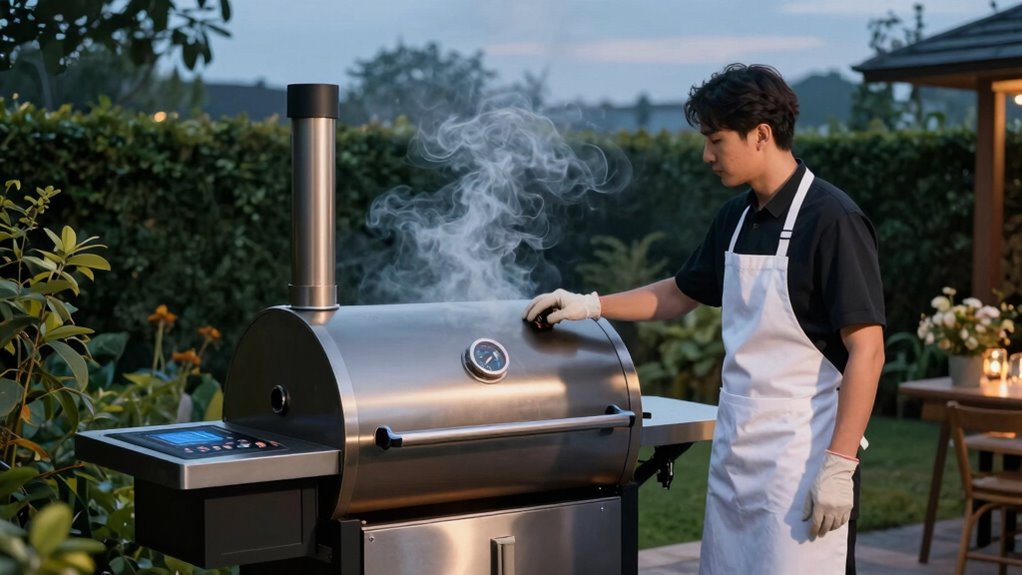
Are smoke complaints impacting your reputation or operations? If so, it’s time to take proactive steps to address the root causes before they escalate. One of the most effective ways to do this is by focusing on improving your air quality. Poor air quality can lead to smoke emissions that upset neighbors, violate regulations, and tarnish your reputation. Start by evaluating your current ventilation systems; outdated or poorly maintained systems often fail to control smoke and odors efficiently. Upgrading your ventilation can dramatically reduce airborne pollutants, ensuring that smoke is properly extracted and contained. Regular maintenance of these systems is essential—clean filters, check for leaks, and ensure fans operate at peak levels. This not only improves air quality but also prevents unpleasant odors from escaping and causing complaints.
Improve air quality by upgrading and maintaining ventilation systems to reduce smoke and odors effectively.
Beyond ventilation, controlling the sources of smoke is critical. Identify and address activities or equipment that generate smoke or fumes. For example, if you operate machinery, ensure it’s well-maintained and fitted with smoke suppression attachments. If you’re involved in cooking, manufacturing, or other processes that produce smoke, consider installing localized exhaust hoods or scrubbers to capture emissions at the source. These measures lower the amount of smoke that escapes into the environment and reduces the likelihood of complaints. Educate your staff about best practices to minimize smoke production, emphasizing the importance of proper operation and maintenance. Additionally, understanding air quality management can help you implement more effective strategies for monitoring and reducing emissions. Incorporating smart sensors** can provide real-time data to help you quickly identify and address issues before they lead to complaints. Using air quality testing methods regularly allows you to verify the effectiveness of your controls and make data-driven improvements. Implementing a comprehensive emission control plan ensures consistent adherence to best practices and regulatory standards. Furthermore, investing in advanced filtration technology** can significantly enhance your ability to control smoke and odors at the source.
Creating a transparent communication channel with your neighbors and local authorities can also help prevent misunderstandings. Let them know about the steps you’re taking to improve air quality and reduce smoke emissions. This proactive approach fosters goodwill and demonstrates your commitment to responsible operations. Additionally, monitor air quality levels regularly using sensors or testing services. Keeping detailed records shows that you’re actively managing emissions and can help you respond quickly if complaints arise.
Finally, consider implementing a thorough smoke management plan. This should include routine inspections, maintenance schedules, and contingency procedures for unexpected emissions. By staying ahead of potential issues, you prevent small problems from turning into major complaints. Overall, reducing smoke complaints involves a combination of upgrading ventilation systems, controlling emission sources, maintaining transparent communication, and continuously monitoring air quality. When you take these steps, you safeguard your reputation, ensure compliance, and create a healthier environment for everyone involved.
Products Worth Considering

LEVOIT Vital 200S-P Smart Air Purifier for Large Rooms

Coway Airmega 250 Air Purifier for Large Rooms

Levoit Core 400S-P Smart Air Purifier for Large Rooms
As an affiliate, we earn on qualifying purchases.
Frequently Asked Questions
What Are Common Causes of Smoke Complaints From Tenants?
Common causes of smoke complaints from tenants include inadequate ventilation, improper use of appliances, and lack of tenant education on smoke-emitting activities. You can address these issues by implementing effective ventilation strategies, like exhaust fans and air purifiers, and educating tenants on safe appliance use. Clear communication and proactive measures help prevent smoke problems, ensuring a healthier living environment and reducing complaints before they escalate.
How Quickly Can Smoke Complaints Be Resolved?
Think of resolving smoke complaints as clearing fog from a window—quick action makes a difference. You can often address issues within hours by using air quality monitoring to identify sources and implementing effective ventilation solutions. Promptly responding, adjusting airflow, and communicating with tenants can swiftly restore comfort and safety. The faster you act, the clearer the air becomes, preventing complaints from piling up and ensuring a healthier environment for everyone.
Are There Legal Limits for Smoke Emissions?
Yes, there are legal limits for smoke emissions that you need to follow. These are outlined in local and federal legal regulations, which specify permissible emission standards to protect air quality. You must guarantee your operations stay within these limits to avoid violations. Regularly monitor your emissions, stay updated on any changes in regulations, and implement control measures to keep emissions compliant and prevent complaints before they start.
What Equipment Helps Minimize Smoke in Buildings?
You can substantially reduce smoke in buildings with proper equipment. Air filtration systems, especially HEPA filters, capture fine smoke particles effectively. Ventilation systems help circulate fresh air and remove indoor pollutants, including smoke. Studies show that proper ventilation can cut indoor smoke levels by up to 50%. By installing high-quality air filtration and efficient ventilation systems, you create a healthier environment, minimizing complaints and ensuring better air quality for everyone inside.
How Can Communication Prevent Smoke-Related Disputes?
You can prevent smoke-related disputes through proactive communication and tenant awareness. Keep tenants informed about smoking policies, maintenance schedules, and ventilation systems. Encourage open dialogue so they feel comfortable reporting issues early. Regular updates and clear guidelines help tenants understand expectations and reduce misunderstandings. By fostering transparency and engagement, you create an environment where concerns are addressed promptly, minimizing the chances of disputes over smoke problems before they escalate.
Conclusion
Think of managing smoke complaints like tending a garden. With careful planning and early attention, you prevent weeds from taking over. By addressing issues before they bloom, you keep your space clear and inviting. Stay vigilant, communicate openly, and act promptly—these are your tools to nurture harmony. When you nurture your environment this way, complaints wither away, leaving only the beauty of a well-maintained, smoke-free haven.