
You shouldn’t save every fallen tree, as the decision depends on safety, ecological value, and the tree’s health. Some trees pose hazards or are beyond recovery, so removing them is safest. However, fallen trees that provide habitat or benefits to urban biodiversity can be left to decompose naturally. Understanding these factors helps you make responsible choices, ensuring safety and ecological balance. If you’re curious about how to determine what to save, there’s more to contemplate.

Get business pricing on tools and workshop supplies
- Business-only prices and quantity discounts
- Tax-exempt purchasing
- Multiple users, one account, clear invoices
Key Takeaways
- Not all fallen trees pose safety risks; some provide crucial habitats and ecological benefits.
- Prioritize saving valuable or healthy trees that can be restored or treated.
- Safety concerns and tree health should guide decision-making over conservation.
- Professional arborist assessment ensures responsible choices balancing safety and ecological value.
- Allowing natural decay of some fallen trees supports urban biodiversity and ecological cycles.
When a tree falls in your yard, it’s tempting to want to save or restore it, but that isn’t always the best choice. While it’s natural to feel attached to your trees and want to preserve their presence, you need to consider the bigger picture—especially urban forestry and ecological balance. Fallen trees can be both a benefit and a hazard, so making an informed decision helps maintain the health of your yard and the community.
In urban environments, trees play a vital role in supporting ecological balance. They provide shade, improve air quality, and serve as habitats for various creatures. When a tree falls, it’s easy to focus on the loss, but sometimes removing it benefits the overall ecosystem. A decaying tree might attract pests or become a safety risk, particularly if it’s near pathways or structures. In such cases, removing the fallen tree prevents harm and encourages the growth of new, healthy trees that better serve the ecosystem.
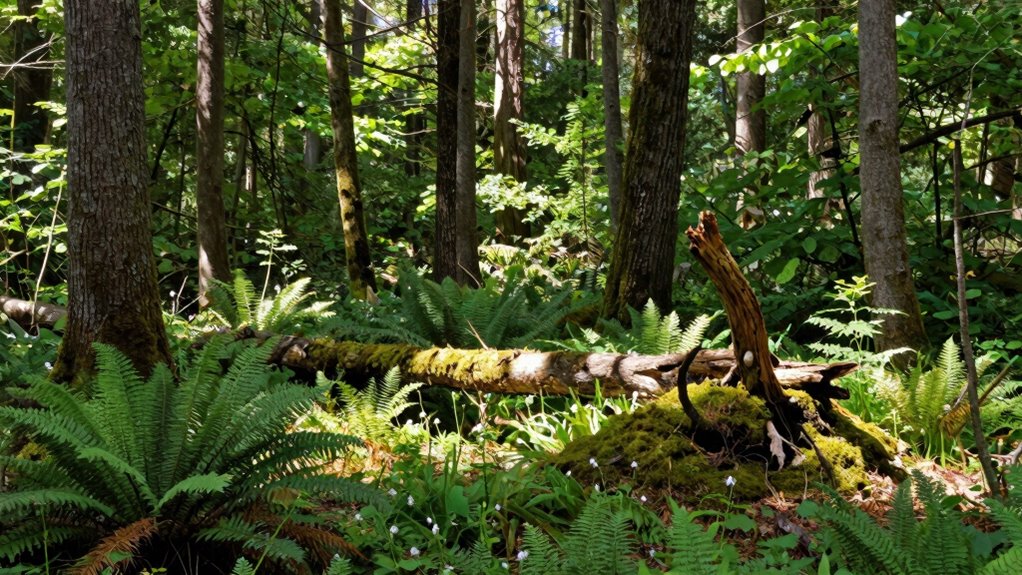
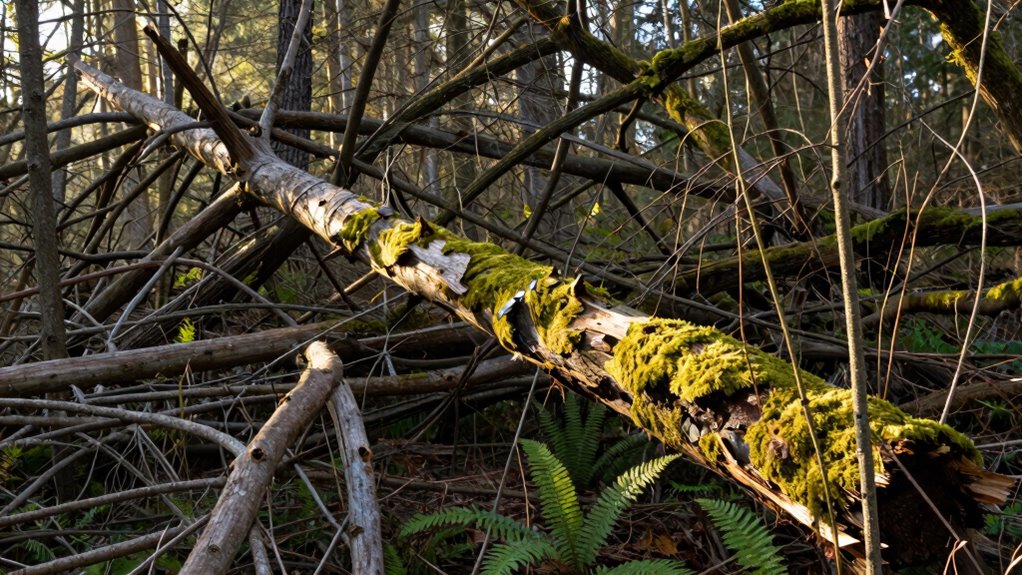
On the other hand, fallen trees also offer ecological benefits. They create habitats for insects, fungi, and small animals, enriching urban biodiversity. If the tree fell naturally and remains stable, it could be left to decompose naturally, supporting the natural cycle of decay and renewal. This process contributes to urban forestry efforts by fostering a diverse environment and maintaining ecological balance. You should consider whether the fallen tree is still structurally sound and beneficial or if it poses a danger to people or property.
Deciding whether to save or remove a fallen tree depends on multiple factors. Think about the tree’s species, health, and location. If it’s a valuable or rare tree, you might want to explore options for restoration or treatment, but only if it’s safe and feasible. Sometimes, the best decision is to clear the site and plant a new tree to replace what’s lost, ensuring you’re supporting urban forestry initiatives that promote sustainable growth. Additionally, understanding the ecological role of fallen trees can guide more environmentally conscious decisions. Recognizing the importance of urban biodiversity can help you make more informed choices about fallen trees and their place in the ecosystem. It’s also helpful to consider how tree management practices can influence long-term ecological health. Consulting professional arborists can ensure that you’re making the safest and most environmentally responsible decision for your specific situation.
Furthermore, educating yourself about urban forestry and the benefits of natural decay can enhance your understanding of how to manage fallen trees responsibly. Ultimately, you need to balance emotional attachment with ecological and safety considerations. Not every fallen tree warrants rescue; some serve as vital components of urban ecology, while others pose risks. By weighing these factors carefully, you help maintain a healthy, safe environment that supports the long-term ecological balance of your community. Whether you choose to restore or remove, your decision should align with the broader goals of urban forestry and ecological health.
professional arborist assessment tools
As an affiliate, we earn on qualifying purchases.
As an affiliate, we earn on qualifying purchases.
Frequently Asked Questions
When Is It Necessary to Remove a Fallen Tree Immediately?
You should remove a fallen tree immediately if it threatens tree health or root stability nearby structures or plants. If the tree’s roots are compromised, it could cause further damage or even pose safety risks. Quick removal is essential when the tree blocks access, endangers people, or damages property. Otherwise, if the tree isn’t causing harm, you can assess whether it’s better to leave it or handle it later.
How Do I Determine if a Fallen Tree Is Salvageable?
You can determine if a fallen tree is salvageable by evaluating its tree health and applying salvage techniques. Don’t assume it’s beyond saving just because it’s fallen; sometimes, careful inspection reveals potential. Look for signs of rot or severe damage, and consider if the trunk and roots are intact enough for restoration. Use proper salvage techniques like pruning and stabilization to revive the tree, but know when professional help is necessary.
Are Fallen Trees Always a Hazard to Nearby Structures?
Fallen trees aren’t always a hazard to nearby structures, but you should assess tree health and root stability carefully. If the tree’s root system was compromised or the wood is rotten, it might shift or cause damage over time. Always inspect for signs of decay or instability. If unsure, consult a professional arborist to evaluate the risk and determine if removal or stabilization is necessary to protect your property.
What Are Eco-Friendly Options for Disposing of Fallen Trees?
Imagine turning a fallen tree into a forest wonderland—an eco-friendly masterpiece! You can grind it into wood mulch, transforming yard waste into nutrient-rich ground cover that conserves moisture and suppresses weeds. Or, you can create habitats for wildlife, offering shelter to birds, insects, and small mammals. These sustainable options reduce landfill waste and support local ecosystems, making your cleanup both environmentally responsible and visually stunning.
Can Fallen Trees Be Repurposed for Home or Garden Use?
Yes, fallen trees can be repurposed for home or garden use. You can turn the wood into unique pieces like tree carvings or furniture accents. Many people enjoy creating wood crafts from fallen branches or logs, giving them a new life and aesthetic appeal. Not only does this reduce waste, but it also adds natural charm to your space, making your garden or home more personalized and eco-friendly.
Conclusion
So, next time you see a fallen tree, think twice before rushing to save it. Sometimes, letting nature take its course benefits the environment more than any rescue effort. But what if that tree hides a secret—something unexpected beneath its branches? Will you still choose to save it or let it lie? The decision isn’t always clear, and that mystery keeps us wondering—what’s truly best for the forest, and for you?
Fall Picks
fall essentials
As an affiliate, we earn on qualifying purchases.