
You can turn bark into mulch for gardens and pathways, helping retain moisture and suppress weeds, or craft rustic borders for a natural look. Slabs and firewood waste can be repurposed into tabletops, coasters, or art pieces, or split into eco-friendly firewood. Composting shredded wood reduces waste and enriches soil, while donating excess materials supports community projects. Keep exploring ways to reuse these materials for eco-friendly solutions that benefit your space and environment.

Get business pricing on tools and workshop supplies
- Business-only prices and quantity discounts
- Tax-exempt purchasing
- Multiple users, one account, clear invoices
Key Takeaways
- Use bark as mulch around plants to conserve moisture and suppress weeds.
- Repurpose slabs into furniture, garden paths, or decorative art projects.
- Chip or shred wood waste into mulch or compost to enrich soil sustainably.
- Split logs into firewood for eco-friendly heating or donate to community projects.
- Explore creative reuse options like craft items, sculptures, or educational materials.
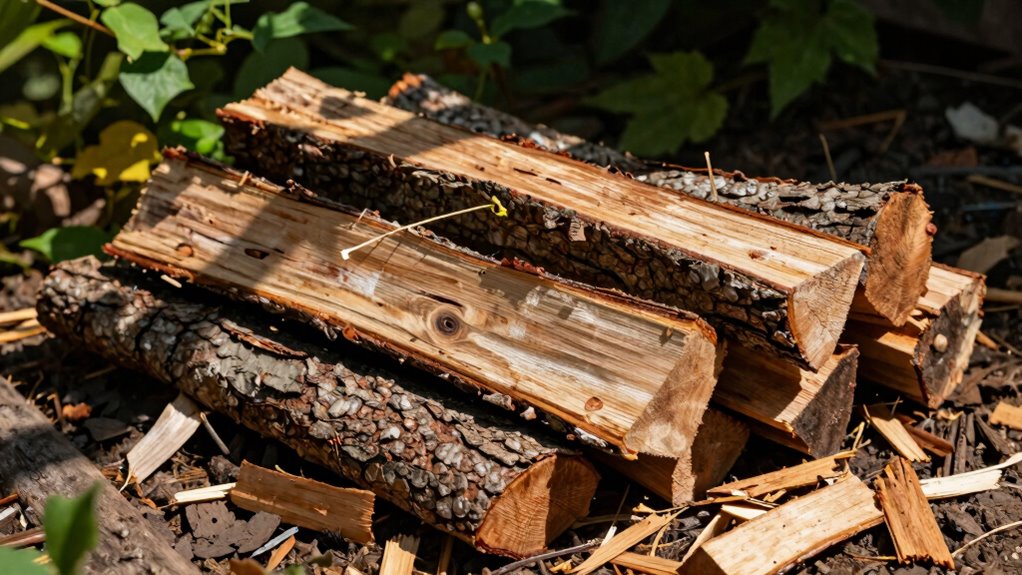
When you have bark, slabs, and firewood waste leftover from your woodworking or logging projects, it’s important to find practical ways to handle these materials rather than letting them go to waste. Instead of discarding them or sending them to a landfill, you can explore eco friendly disposal methods and creative reuse options that benefit both the environment and your project. These materials hold potential beyond their initial use, and with a little effort, you can turn waste into something valuable.
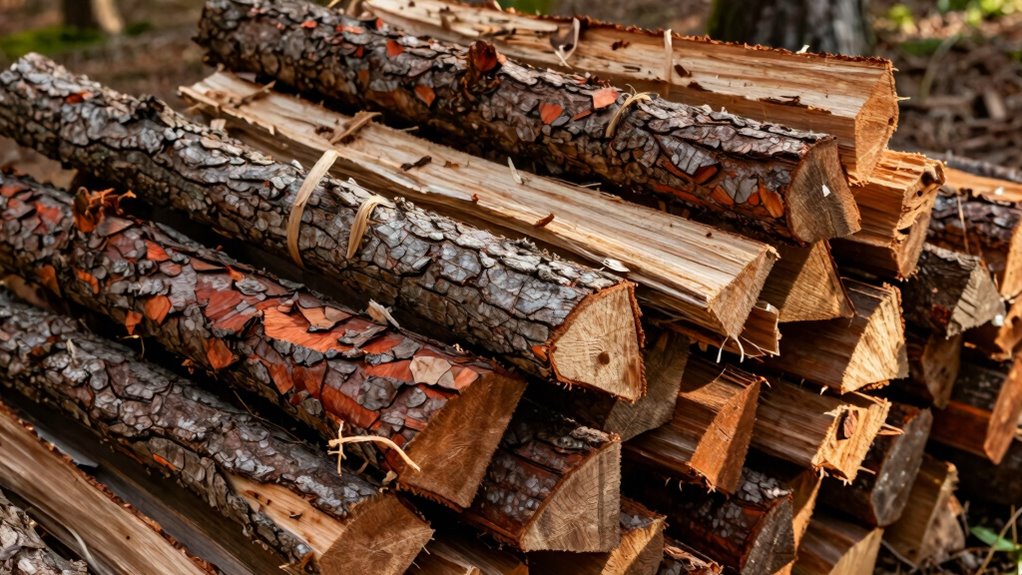
For bark, one of the simplest eco friendly disposal methods is mulching. Spread it around your garden beds or trees to conserve moisture, suppress weeds, and improve soil health. Bark mulch decomposes slowly, making it an excellent long-term ground cover. If you’re looking for creative reuse, consider using bark to craft decorative garden pathways or borders. It adds a natural, rustic look and reduces the need for manufactured landscaping materials. You might also experiment with bark for art projects or rustic furniture accents, turning leftover material into unique decorative pieces. Additionally, processing bark into compost or soil amendments can enhance its benefits for soil enrichment, supporting a sustainable gardening practice.
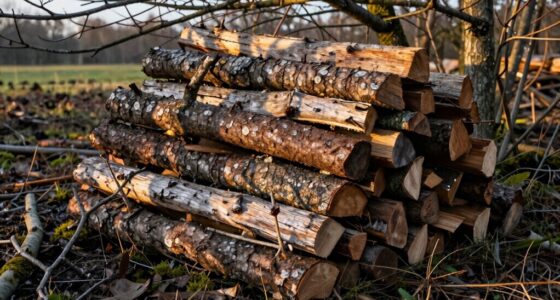
Slabs and firewood waste present other opportunities. Small slabs can be repurposed into tabletops, shelves, or stepping stones, especially if they have interesting grain patterns or textures. If you’re skilled with woodworking, you can create small crafts like coasters or picture frames, giving these scraps a second life. For larger slabs or logs, splitting them into firewood is a straightforward eco friendly disposal method that reduces waste while providing fuel for heating. If you’re not heating with wood, consider donating excess slabs to community woodworking groups or schools, where they can be used for educational projects. Additionally, understanding how to properly process firewood waste can help maximize its reuse potential. Exploring wood recycling techniques can further expand your options for responsible waste management.
Another creative reuse idea involves chipping or shredding the waste into wood mulch or compost material. This process reduces waste volume and produces useful products for your garden or compost bin. Composting or mulching with wood waste helps recycle nutrients, supports healthy soil, and minimizes environmental impact. Additionally, some people use firewood waste to create natural art installations or sculptures, turning rough, leftover pieces into eye-catching outdoor decor. Furthermore, exploring innovative recycling techniques can expand the ways you utilize leftover wood materials. Incorporating waste reduction methods into your projects can also help you minimize waste and promote sustainable woodworking practices.
Ultimately, how you handle bark, slabs, and firewood waste depends on your resources and creativity. By prioritizing eco friendly disposal and exploring creative reuse options, you don’t just reduce waste—you add value to your projects and contribute positively to the environment. Whether through mulching, crafting, or donating, your efforts can make a meaningful difference while giving your leftover materials a second purpose.
As an affiliate, we earn on qualifying purchases.
Frequently Asked Questions
Can Bark and Slabs Be Composted Safely?
Yes, bark and slabs can be composted safely, but you should consider bark decomposition rates and slab material. Bark breaks down gradually and adds valuable organic matter to your compost. For slabs, recycling or repurposing is often better, especially if they’re treated or contain chemicals. If you choose composting, verify slabs are untreated wood, and break them into smaller pieces to speed up decomposition, integrating bark safely into your garden soil.
Are There Eco-Friendly Ways to Dispose of Firewood Waste?
Did you know that around 70% of firewood waste can be recycled or repurposed? For eco-friendly disposal, consider firewood recycling by turning leftover pieces into mulch or biochar, which enriches soil. You can also donate unused wood to community projects or compost small wood chips. These methods help reduce landfill waste and promote sustainability, making your firewood waste disposal both responsible and beneficial for the environment.
How Can I Prevent Pests From Accumulating in Wood Waste?
To prevent pests from accumulating in wood waste, you should focus on insect control and waste containment. Regularly turn or stir your wood piles to disrupt pest habitats and expose insects to the elements. Keep the waste contained in sealed, durable bins or covered with a tarp to minimize pest access. Properly stacking and drying the wood also reduces moisture, discouraging pest infestations and promoting safer waste management.
Is It Possible to Sell or Trade Leftover Firewood?
Yes, you can sell or trade leftover firewood through firewood resale or wood waste barter programs. You might list your surplus firewood locally online or at community markets, or join barter groups that focus on wood exchange. This way, you turn excess firewood into cash or trade for other useful items. Just make certain your firewood is properly dried and stored to maximize its value in resale or barter situations.
What Tools Are Best for Processing Large Slabs?
Using a chainsaw with proper safety gear is your best tool for processing large slabs. It’s essential to follow safe chainsaw safety practices to prevent accidents. For slab cutting techniques, a chainsaw with a sharp chain and a steady hand work wonders. Consider a chainsaw mill attachment for more precise cuts. Always prioritize safety and technique to efficiently and safely process large slabs into manageable pieces.
Conclusion
In the end, turning waste into something useful not only benefits your space but also the environment. You might mulch bark and slabs for your garden or create cozy firewood stacks. Remember, “Waste not, want not”—with a little effort, you can repurpose these leftovers into something valuable. So, don’t toss everything away—get creative and make the most of what you have. Your efforts will pay off in beauty and sustainability.
Fall yard work Picks
leaf blowers
As an affiliate, we earn on qualifying purchases.