
A face cord and a full cord measure firewood differently, often causing confusion. A face cord is a stack 4 feet high, 8 feet long, and varies in wood length, meaning the amount of wood can differ. In contrast, a full cord always totals 128 cubic feet, providing a consistent measure. Understanding these differences helps guarantee you get the right amount for your money. Keep going to learn how stacking, moisture, and measurement methods impact what you buy.
Key Takeaways
- A face cord is typically 16 inches high and 8 feet long but varies in actual volume due to stacking; a full cord is a standard 128 cubic feet.
- Face cords are less consistent; their actual wood content depends on stacking density and wood length, unlike the fixed volume of a full cord.
- Always ask how the seller measures face cords and if the wood is seasoned to ensure fair comparison and value.
- Moisture content affects weight and burn quality; seasoned firewood burns cleaner and provides better heat than green or wet wood.
- Understanding these differences prevents overpaying and ensures you get the amount and quality of firewood you need.
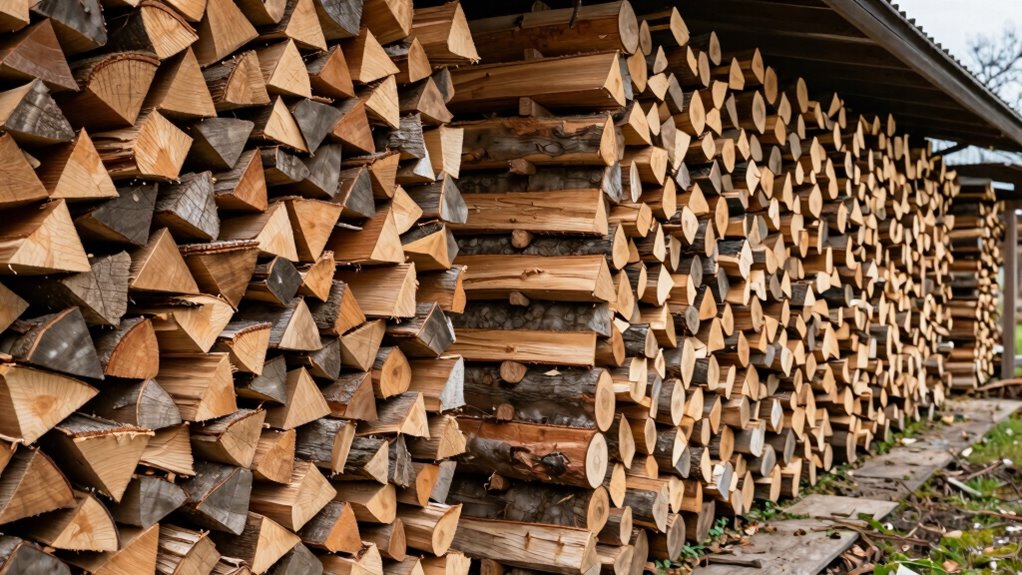
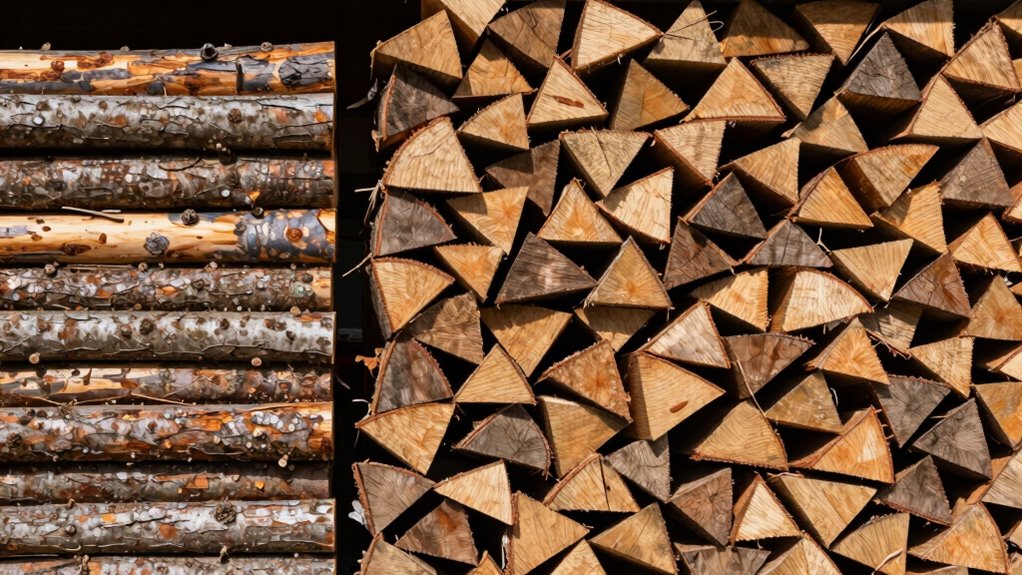
When purchasing firewood, understanding the difference between a face cord and a full cord is vital to making an informed decision. Knowing how firewood stacking influences the measurement, as well as considering the wood’s moisture content, can prevent misunderstandings and guarantee you get the right amount for your needs. A face cord is a smaller, more manageable quantity—typically a stack that measures 4 feet high by 8 feet long, but only as deep as the length of the wood pieces, usually 16 inches. Because the depth varies with how the wood is stacked, many people underestimate or overestimate what they’re buying. Conversely, a full cord is a standard measurement of firewood that totals 128 cubic feet, regardless of how it’s stacked, provided the wood is piled properly. It’s important to recognize that different suppliers might define these terms differently, so clarifying the measurement is wise before purchase.
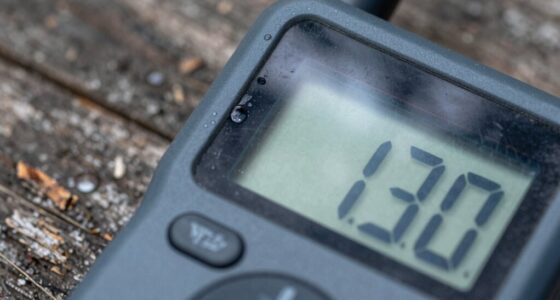
Firewood stacking plays a vital role in these measurements. When stacking, you need to guarantee the wood is arranged tightly but not overly compressed, which can alter the perceived amount. Proper stacking helps you visualize how much wood you’re getting and avoids buying a face cord that looks generous but contains less actual wood than expected. It’s also essential to factor in the wood’s moisture content. Wet or green firewood contains more water, making it heavier and less efficient for burning. If the wood isn’t adequately dried, you might think you’re getting a substantial amount, but the actual usable heat will be less, and you’ll need more wood overall. Dry wood with low moisture content burns cleaner and hotter, providing better value and reducing creosote buildup in your chimney. Understanding firewood moisture content is crucial for optimizing burn efficiency and safety.
As you compare prices and quantities, keep in mind that a face cord can vary considerably in actual volume, especially if the stacking isn’t uniform. This variation makes it tricky to compare to a full cord, which is a standardized measurement. Always ask how the seller measures the firewood and whether the wood is seasoned. Seasoned wood with the right moisture content will burn more efficiently, and knowing the stacking method can help you estimate the true amount of wood you’re purchasing. Whether you’re buying by the face cord or full cord, understanding these factors guarantees you’re not only getting a fair deal but also the appropriate amount of high-quality firewood for your needs.
Frequently Asked Questions
How Do I Convert Face Cord Measurements to Full Cords?
To convert face cord measurements to full cords, you need to take into account wood density and measurement accuracy. A face cord is typically 1/3 of a full cord, assuming standard dimensions. Since wood density varies, make sure you’re using consistent measurements. Multiply the face cord volume by 3 to get an estimate of the full cord, but remember, measurement accuracy affects this conversion. Always verify your measurements for the most precise results.
Are Face Cords or Full Cords More Economical?
You might think face cords are cheaper, but a full cord often proves more economical because it provides more wood for the price. When considering wood storage and firewood stacking, a full cord ensures you get maximum value and less frequent trips for firewood. Face cords can seem cheaper initially, but they usually don’t offer the same volume, making full cords the smarter, cost-effective choice for long-term use.
What Factors Influence the Actual Amount of Burnable Wood?
The actual amount of burnable wood you get depends on factors like wood density and stacking techniques. Denser wood packs more energy and burns longer, so it’s more efficient. Proper stacking also reduces air gaps, making better use of space and ensuring more wood is usable. If you stack tightly and choose dense wood, you’ll maximize burnable wood and get better value from your firewood.
How Does Moisture Content Affect Cord Measurements?
Moisture content considerably impacts cord measurements because wet wood appears larger due to added water weight and volume. During the drying process, moisture impact decreases as wood loses water, shrinking in size. You should account for this when measuring cords, since fresh, high-moisture wood can inflate measurements, while properly dried wood will have a more accurate, consistent volume. This ensures you get the right amount of burnable wood for your needs.
Can I Use Face Cords for All Types of Wood?
Sure, you can use face cords for all wood types, but don’t expect them to match cord standards perfectly. In firewood stacking, face cords are like a fun-sized snack—great for quick use but not a reliable measure. Different woods vary in density and moisture, making face cords less consistent. For accurate measurements, stick with full cords—because when it comes to firewood, size does matter.
Conclusion
Now that you see the difference between a face cord and a full cord, don’t let the confusion weigh you down like a fog settling over a clear day. Remember, understanding these measurements is your compass in the woodpile maze. When you’re choosing your firewood, picture the logs stacked high, a towering fortress of warmth awaiting your call. With this knowledge, you’ll never get lost in the woods again—you’re now the captain steering your own firewood ship.