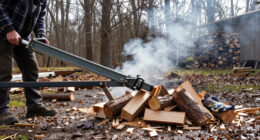
Coppicing and pollarding are sustainable ways to harvest firewood while supporting woodland health. By cutting trees at ground level (coppicing) or at a higher point (pollarding), you encourage new growth regularly, ensuring a steady supply of wood. These methods also help maintain ecological balance and extend tree lifespans. If you want to understand how to incorporate these techniques responsibly and effectively, there’s more to discover below.

Get business pricing on tools and workshop supplies
- Business-only prices and quantity discounts
- Tax-exempt purchasing
- Multiple users, one account, clear invoices
Key Takeaways
- Coppicing and pollarding are sustainable woodland management techniques that provide a regular firewood supply without harming trees.
- Coppicing involves cutting trees near the ground to stimulate multiple shoots for small logs or kindling.
- Pollarding cuts upper branches at a height, controlling tree size and encouraging new growth for long-term firewood.
- Best done in late winter or early spring to promote healthy regrowth and efficient wood harvesting.
- These methods support biodiversity, ecological balance, and the long-term health of woodland ecosystems.

Coppicing and pollarding are traditional woodland management techniques that provide a sustainable source of firewood. These methods involve careful tree pruning, where you selectively cut back trees to encourage regrowth. By regularly performing tree pruning through coppicing or pollarding, you can harvest firewood without harming the overall health of the tree. This approach guarantees a continuous supply of wood while maintaining the woodland’s ecological balance. When you practice sustainable harvesting, you prevent overexploitation, allowing the trees to regenerate naturally and thrive over many years.
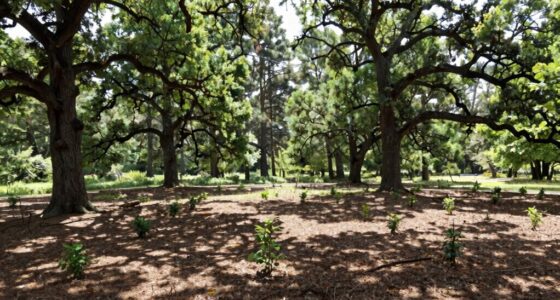
Coppicing involves cutting trees close to the ground, stimulating the growth of multiple shoots from the stool—the remaining trunk base. This method is particularly effective with species like hazel, sweet chestnut, and willow. The new shoots grow quickly, providing a reliable supply of small logs or kindling every few years. Since you’re managing the trees through targeted pruning, you control the amount of wood harvested, ensuring the tree’s vitality isn’t compromised. Regular coppicing not only supplies firewood but also promotes biodiversity, as the open woodland creates habitats for various plants and animals. It’s a sustainable practice because it mimics natural disturbance processes, and you can continue harvesting wood without damaging the tree’s long-term health.
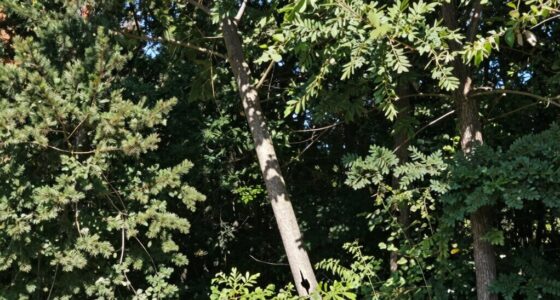
Pollarding, on the other hand, involves cutting the upper branches of a tree, typically at a height of several meters. This technique is often used for larger, more mature trees like oaks or limes. When you pollard, you’re engaging in a form of tree pruning that controls the size and shape of the tree while encouraging new growth from the cut points. Pollarding is advantageous because it keeps the wood accessible for collection and prevents the tree from becoming too tall or unwieldy. It also allows you to harvest firewood regularly without the risk of damaging the main trunk or the root system. Like coppicing, pollarding supports sustainable harvesting, as it extends the lifespan of the tree and ensures a steady supply of wood over decades.
Both coppicing and pollarding require consistent management and knowledge of the trees’ growth cycles. By timing your pruning correctly—usually in late winter or early spring—you give the trees the best chance to recover and produce new shoots. These traditional practices emphasize careful tree pruning that balances the need for firewood with ecological responsibility. When you adopt coppicing or pollarding, you’re not just collecting firewood; you’re actively preserving woodland health and promoting sustainable harvesting practices that can benefit future generations.
As an affiliate, we earn on qualifying purchases.
Frequently Asked Questions
What Are the Environmental Impacts of Coppicing and Pollarding?
You’ll find that coppicing and pollarding boost biodiversity preservation by creating diverse habitats for wildlife. These practices also enhance carbon sequestration, helping combat climate change. By regularly pruning trees, you allow new growth, which absorbs more carbon and supports various plant and animal species. Overall, these methods promote a healthy, balanced ecosystem, making them environmentally beneficial choices for sustainable land management.
How Do I Choose Between Coppicing and Pollarding for My Woodland?
You should choose coppicing if you want to maximize woodland management and encourage rapid regeneration, creating a lush, vibrant forest floor. Opt for pollarding if your goal is disciplined tree maintenance, especially near structures or power lines, where controlling tree height is essential. Consider your long-term vision—coppicing offers frequent harvests and ecological benefits, while pollarding provides a neat, controlled appearance. Your choice shapes your woodland’s future.
What Are the Best Tree Species for Firewood From Coppicing or Pollarding?
You should choose tree species like oak, ash, and sweet chestnut for high-quality firewood from coppicing or pollarding. These species produce dense, well-seasoned wood that burns steadily and with good heat output. Tree species selection is vital, as it directly impacts firewood quality. Opt for hardwoods with tight grain, ensuring efficient burning and less creosote buildup, making your firewood more reliable and long-lasting.
How Often Should Coppicing or Pollarding Be Done for Optimal Firewood?
Think of coppicing or pollarding as tending a garden—timing considerations are key. You should harvest firewood every 7 to 15 years, depending on the tree species and your goals. For ideal firewood, monitor growth and health, ensuring you don’t cut too early or too late. Regular harvests promote healthy regrowth, so stick to this schedule for steady, sustainable firewood supplies.
Are There Any Legal Restrictions on Coppicing or Pollarding Practices?
You need to check local laws for legal compliance and permitting requirements before coppicing or pollarding. In many areas, you must get permission from landowners or authorities, especially if the trees are protected or in conservation zones. Failing to follow these rules can result in fines or legal action. Always consult your local forestry or environmental agency to guarantee you’re adhering to regulations and avoiding legal issues.
Conclusion
By choosing coppicing or pollarding, you become a steward of the land, turning trees into a steady firewood fountain. Like a skilled gardener, you nurture these living treasures, ensuring they flourish while providing warmth and comfort. Embrace this ancient dance with nature, where every cut sparks new life. With each harvest, you weave a story of sustainability, where the flames of your fire are fueled by the timeless rhythm of the forest’s heartbeat.
Fall Picks
fall essentials
As an affiliate, we earn on qualifying purchases.