Using urban tree removals for firewood is a sustainable choice that helps you reduce waste while supporting local, eco-friendly heating. When trees are removed due to disease, safety risks, or development, they often become a valuable resource for homeowners and communities willing to harvest responsibly. Properly processed and seasoned urban wood burns cleaner and more efficiently, lowering environmental impact. If you want to explore how to responsibly utilize these resources, there’s more to discover below.
Key Takeaways
- Urban tree removals can be responsibly repurposed as sustainable firewood sources, reducing waste and supporting local heating needs.
- Proper harvesting and seasoning practices ensure urban tree wood burns efficiently and safely, minimizing smoke and environmental impact.
- Collaborate with urban forestry management to identify suitable trees and adhere to regulations for legal and safe collection.
- Using locally sourced urban tree firewood decreases transportation emissions and promotes a circular resource utilization cycle.
- Responsible processing and compliance with safety standards maximize the environmental and ecological benefits of urban wood reuse.
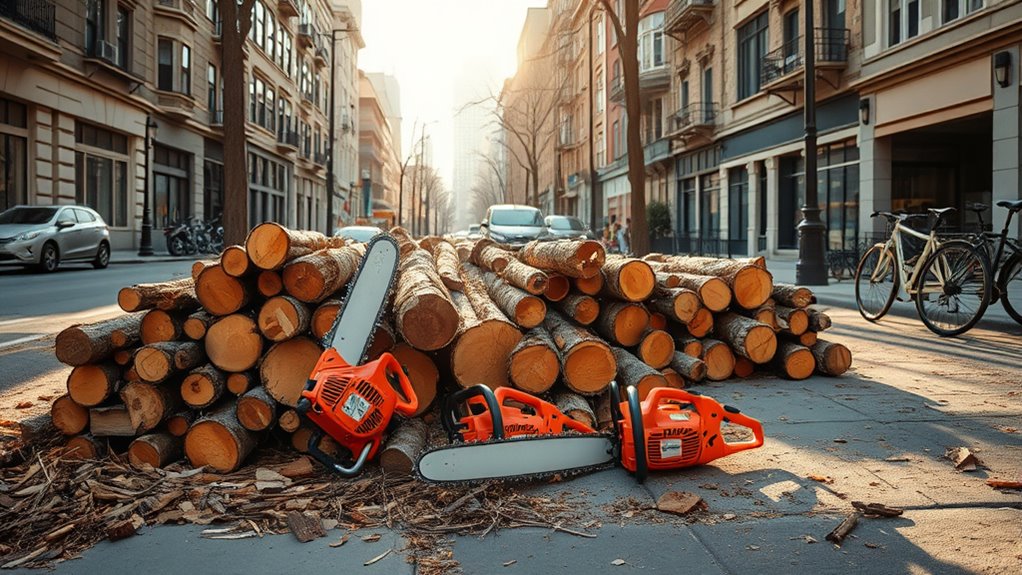
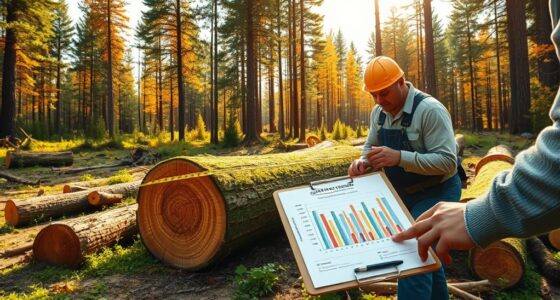
Urban tree removals are increasingly becoming a practical source of firewood for homeowners and local communities. When trees are taken down due to development projects, disease, or safety concerns, they often end up as waste. Instead of letting these valuable resources go unused, you can incorporate them into your firewood supply, provided you follow sustainable harvesting practices. Sustainable harvesting ensures that the removal of trees doesn’t harm the environment or deplete urban green spaces. It involves careful planning and coordination with urban forestry management to select which trees to remove, how to do so responsibly, and how to utilize the wood effectively.
By working within the framework of urban forestry management, you can help maintain a healthy, balanced urban ecosystem. Urban forestry management emphasizes the importance of preserving mature trees that provide shade, improve air quality, and support biodiversity. When trees are removed, it should be done thoughtfully, prioritizing those that are diseased, dead, or pose safety risks. This approach guarantees that the removal process benefits the community without undermining the ecological benefits that trees provide. It also opens the door to repurposing the wood for firewood, which is both cost-effective and environmentally friendly.
Using urban tree removals for firewood means you need to assess the wood’s quality and condition. Not every tree is suitable for burning, especially if it has been diseased or treated with chemicals. Properly seasoned firewood from urban removals burns cleaner and produces less smoke, making it a sustainable choice for heating. Additionally, by sourcing firewood from local removals, you reduce the carbon footprint associated with transportation, further supporting sustainability goals. When you carefully select and process this wood, you’re participating in a cycle that minimizes waste and maximizes resource efficiency.
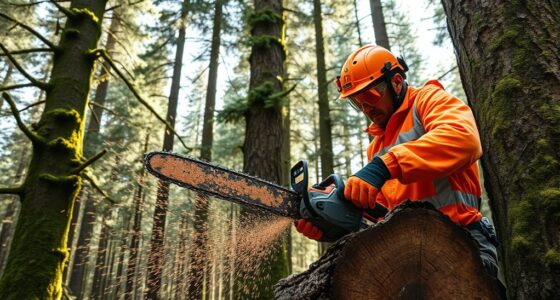
It’s also important to be aware of the regulations governing urban tree removal and firewood collection in your area to avoid legal issues and ensure responsible practices. Properly handling and processing the wood ensures safety and efficiency. Cutting, splitting, and drying the wood on-site or at home allows you to create a reliable, renewable source of heat. By integrating these practices into your routine, you contribute to a sustainable model of urban resource use. This approach supports the broader goals of urban forestry management, helping cities become greener and more self-sufficient while providing you with a practical firewood source that aligns with environmental responsibility.
Frequently Asked Questions
Can All Types of Urban Trees Be Used for Firewood?
Not all urban tree species are ideal for firewood because wood density varies among them. Harder, dense woods like oak or maple burn longer and produce more heat, making them better choices. Softer woods, like pine or poplar, ignite quickly but burn faster and produce less heat. You should consider the specific tree species and its wood density before using urban tree removals for firewood, ensuring efficient and safe burning.
How Do I Identify Suitable Firewood From Urban Tree Removals?
You spot the fallen branches with rough, textured bark and crackling sound, signaling good firewood. To identify suitable pieces, focus on species identification—hardwoods like oak or maple burn longer and produce more heat. Check wood quality by ensuring it’s dry, free of mold, and not rotted. Freshly cut wood should feel heavy and smell earthy. Avoid softwoods or diseased trees, as they burn poorly and create more creosote.
Are There Legal Restrictions on Collecting Firewood From City Trees?
You should verify local laws first, as there are often legal restrictions on collecting firewood from city trees. Some areas require collection permits, and unauthorized removal could lead to fines or legal trouble. Contact your city’s forestry department or local government to find out specific regulations. Always obtain any necessary permits before collecting firewood from urban trees to ensure you’re compliant with local restrictions.
What Safety Precautions Should I Take When Handling Urban Tree Firewood?
Imagine handling a treasure trove of urban firewood, but safety’s your first priority. You should always wear personal protective equipment like gloves, goggles, and a dust mask to prevent cuts, splinters, and inhalation of debris. Keep fire hazard prevention in mind by inspecting the wood for pests or rot before stacking. Use proper tools and techniques, and stay alert to avoid accidents, ensuring your firewood collection remains safe and enjoyable.
How Should Urban Tree Firewood Be Stored for Optimal Burning?
To store urban tree firewood for ideal burning, you should keep it in a dry, well-ventilated area. Use storage containers or stacks with good airflow to control moisture levels. Cover the top with a tarp to protect against rain, but leave the sides open to guarantee proper moisture control. This helps your firewood stay dry, burn efficiently, and reduce creosote buildup in your chimney.
Conclusion
By turning urban tree removals into firewood, you’re giving new life to what might seem like waste. It’s like turning fallen leaves into a cozy blanket for your fireplace, warming both your home and your heart. Not only do you reduce waste, but you also connect with nature’s cycle in a meaningful way. So, next time a tree comes down, think of it as an opportunity to fuel your fire and your spirit.