If you have a small property, a commercial wood chipper is likely overkill, as it can slow down your landscaping efforts and become cumbersome to maintain and store. These large machines come with high upfront costs and may not justify the limited debris output. Plus, they require special training for safe use. Sticking to smaller tools or manual methods can save you time, money, and hassle—keep going to discover more about choosing the right equipment for your yard.

Get business pricing on tools and workshop supplies
- Business-only prices and quantity discounts
- Tax-exempt purchasing
- Multiple users, one account, clear invoices
Key Takeaways
- Small properties often lack enough debris to justify the high capacity of commercial chippers.
- They require extensive maintenance and storage, which can be impractical for occasional use.
- The high initial cost outweighs benefits for limited yard cleanup needs.
- Operating large machines can pose safety risks and demand specialized training.
- Compact tools and manual methods are more convenient and suitable for modest property sizes.
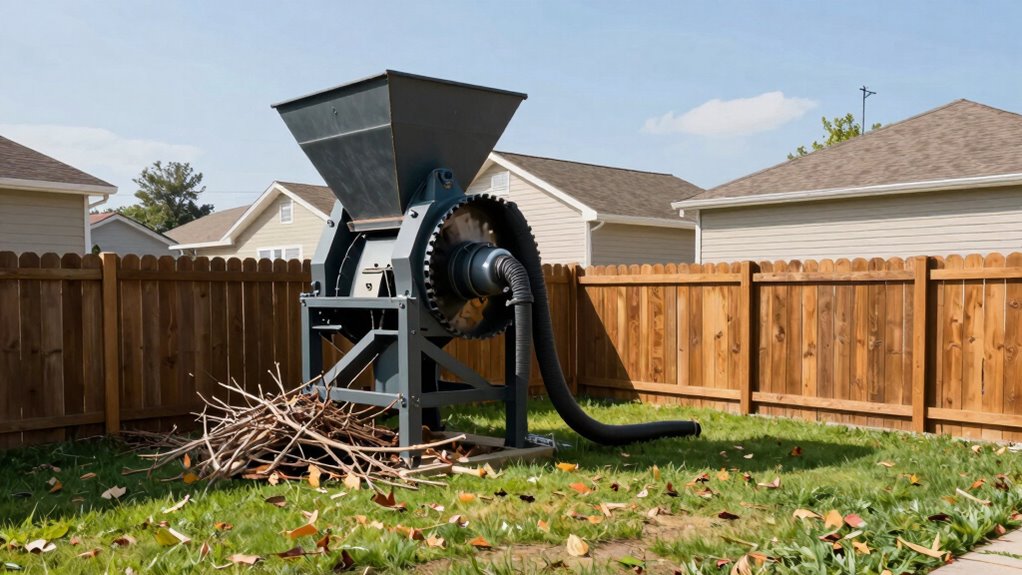
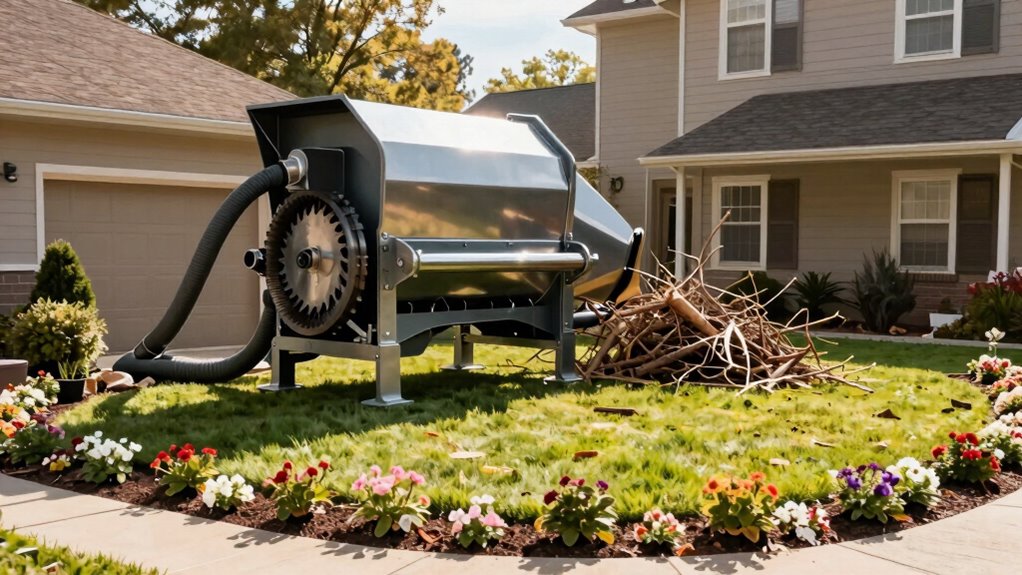
For many property owners, investing in a commercial wood chipper is simply unnecessary, especially when dealing with smaller-scale landscaping or occasional yard cleanup. While these powerful machines can handle large volumes of branches and debris quickly, they aren’t always the best fit for every property. If your land is modest, or you only need to clear a few trees or shrubs now and then, a commercial wood chipper might actually slow you down rather than help you save time. Instead, focusing on landscaping efficiency means choosing tools and methods that match the size of your project, avoiding overkill that can lead to wasted effort and unnecessary expenses.
For small properties, a commercial wood chipper can be more of a hindrance than a help.
Using a commercial wood chipper on a small property can also complicate equipment maintenance. These machines are built for high capacity and frequent use, which means they often require more regular upkeep, such as sharpening blades, checking belts, and changing oil. If you rarely use the chipper, all this maintenance can feel like a chore, especially when it’s not justified by the amount of work you’re doing. In contrast, smaller, more manageable tools—like manual pruners or a small yard waste bin—are easier to maintain and store, saving you time and money in the long run. Additionally, proper storage of large equipment can be challenging for smaller properties. Moreover, storage space limitations can make it difficult to keep large machinery safely out of the way. Being aware of equipment size requirements can help you make more practical decisions about yard tools. It’s also worth considering cost efficiency, as investing in the right-sized tools can provide better value over time.
Another factor to ponder is the initial investment. Commercial wood chippers come with a hefty price tag, and if your property doesn’t generate enough debris to warrant this expense, it’s hard to see the value. You might find that renting a smaller chipper or hiring a local landscaping service is a more economical choice. This way, you avoid the ongoing costs associated with equipment maintenance and storage, while still keeping your yard tidy and healthy.
Furthermore, a commercial wood chipper isn’t always the safest option for casual users. These machines are powerful and require proper training to operate safely. If you’re not experienced, you risk injury or damaging your property. For smaller projects, simpler tools or manual cleanup methods often provide safer, more controlled results. Plus, they don’t require the setup and breakdown that come with larger equipment, making them more convenient for occasional use. Considering the size of your property can help determine whether investing in a commercial chipper is a worthwhile decision.
As an affiliate, we earn on qualifying purchases.
Frequently Asked Questions
What Are the Environmental Impacts of Using Commercial Wood Chippers?
Using commercial wood chippers can impact the environment by contributing to noise pollution, disturbing nearby wildlife and neighbors. They may also hinder eco-friendly disposal if not used properly, as chipped wood might not decompose efficiently or be reused sustainably. Additionally, emissions from these machines can release pollutants into the air. To minimize environmental effects, consider smaller, eco-friendly disposal options or quieter, emission-reducing chippers suited for your property.
How Much Maintenance Do Commercial Wood Chippers Require?
Like tending a well-oiled machine, commercial wood chippers demand regular maintenance. You’ll need to check and replace blades, inspect belts, and perform lubrication frequently. Maintenance frequency varies depending on usage, but generally, weekly checks are recommended for heavy use. Operator training is essential to guarantee safe and proper handling, preventing damage and prolonging the equipment’s lifespan. Staying vigilant keeps your chipper running smoothly and efficiently.
Are There Quieter Alternatives to Commercial Wood Chippers?
Yes, there are quieter alternatives to commercial wood chippers. You can consider electric or battery-powered models designed for noise reduction, making them suitable for residential areas. These alternative solutions produce less sound, helping maintain peace while managing yard debris. While they might not handle large volumes like commercial chippers, they’re excellent for small to medium projects and give you a more comfortable, quieter experience during yard cleanup.
What Safety Precautions Should Be Taken With Large Chippers?
Imagine a wild jungle gym, but with blades! To stay safe around large chippers, always wear proper safety gear—gloves, goggles, and ear protection. Never operate without thorough training; otherwise, you’re inviting disaster. Keep hands clear of the feed chute, and make sure bystanders stay at a safe distance. Remember, a moment’s carelessness turns a powerful machine into a dangerous beast, so respect it and stay vigilant.
Can Small-Scale Chippers Handle Large Branches Effectively?
Small-scale chippers can handle small branches effectively, but their chipper capacity limits their ability to process larger branches. You’ll find that they struggle with thicker, tougher wood, often jamming or breaking down. If you regularly deal with large branches, investing in a commercial chipper makes more sense, as it’s designed with higher chipper capacity and durability to handle heavy-duty yard debris efficiently and safely.
Conclusion
If you have a small property, investing in a commercial wood chipper might be overkill—you’re unlikely to process enough debris to justify the cost and size. In fact, studies show that only about 30% of property owners with fewer than five acres use commercial chippers regularly. For most small-scale landowners, a residential chipper or manual methods can do the job just as effectively, saving you money and space without sacrificing efficiency.
Fall Picks
fall essentials
As an affiliate, we earn on qualifying purchases.