
Creosote sweeping logs can help reduce buildup inside your chimney by releasing agents that loosen soot as you burn them, but they don’t eliminate creosote entirely. They’re useful as a supplemental tool to regular maintenance but shouldn’t replace annual inspections or professional cleanings. Relying solely on these logs may give you a false sense of security and overlook potential hazards. To learn more about effective chimney care, keep exploring the key practices for safe and efficient maintenance.
Key Takeaways
- Creosote sweeping logs can help loosen creosote deposits but do not eliminate buildup entirely.
- Their effectiveness varies based on chimney condition, fuel type, and burning habits.
- They are best used as a supplemental tool alongside regular professional inspections and cleanings.
- Relying solely on these logs may create a false sense of security and overlook potential hazards.
- Proper chimney maintenance involves multiple practices, including inspections, proper burning, and scheduled cleanings.
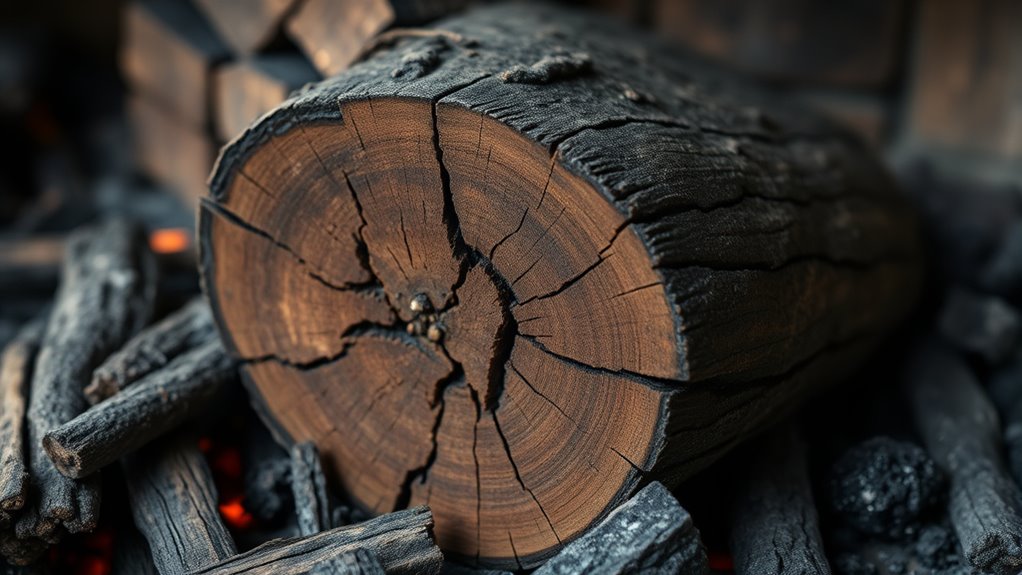
Creosote sweeping logs are an easy and effective way to reduce buildup inside your chimney and prevent dangerous fires. When it comes to chimney maintenance, using these logs can be a simple addition to your routine that helps keep your chimney cleaner and safer. They’re marketed as a convenient solution for reducing creosote deposits, which are a primary cause of chimney fires. But do they really work? That’s what many homeowners wonder before relying on them as part of their fire safety strategy.
These logs contain chemical compounds designed to react with creosote deposits and loosen them from the chimney walls. When burned, they release agents that aim to reduce the accumulation of soot and other byproducts from wood fires. The idea is that regular use can make cleaning easier and decrease the likelihood of dangerous creosote buildup, which is critical for fire safety. However, it’s essential to recognize that creosote sweeping logs are not a substitute for proper chimney maintenance. They shouldn’t replace annual inspections or professional cleanings, especially if you burn wood frequently or have an older chimney. Instead, think of the logs as an auxiliary measure that can complement routine inspections and cleaning by a certified chimney sweep.
While many homeowners report noticeable improvements after using these logs, their effectiveness can vary based on factors like fuel type, burn habits, and chimney condition. Some experts suggest that these products work best when used as part of an overall chimney maintenance plan, rather than as a standalone solution. Relying solely on creosote sweeping logs without regular inspections could give a false sense of security, leaving you vulnerable to hidden hazards that can lead to chimney fires. Remember, creosote is just one concern in fire safety; proper ventilation, correct burning practices, and timely chimney upkeep are equally important.
Incorporating creosote sweeping logs into your routine might offer some peace of mind, but don’t forget their limitations. They’re designed to help reduce creosote buildup, but they don’t eliminate the need for professional inspections or cleaning. Staying vigilant about chimney maintenance ensures you’re addressing all potential fire hazards. Proper chimney maintenance practices including regular inspections, proper burning techniques, and scheduling annual inspections remain the best ways to protect your home and loved ones from the dangers of chimney fires.
Frequently Asked Questions
Are Creosote Sweeping Logs Safe for All Chimney Types?
Creosote sweeping logs are generally safe for most chimney materials, but you should check your chimney’s specific type before use. The effectiveness of the log depends on your chimney’s material; some materials like metal or clay liners respond well, while others may not see as much benefit. Always follow the manufacturer’s instructions and consult a professional if you’re unsure about compatibility or safety, ensuring best results without damage.
How Often Should I Use Creosote Sweeping Logs?
You should use creosote sweeping logs about once a month during the heating season for ideal chimney cleaning. Regular use helps maintain log effectiveness by preventing heavy creosote buildup, reducing fire hazards. However, if your chimney is heavily coated, consider professional cleaning. Always follow the manufacturer’s instructions, and remember that logs are a supplemental measure; routine inspections and cleaning are essential for safe, efficient chimney operation.
Do These Logs Eliminate All Creosote Buildup Completely?
No, creosote sweeping logs don’t eliminate all creosote buildup completely. They assist with chimney maintenance by reducing the amount of creosote through chemical effectiveness, but they aren’t a substitute for regular professional cleaning. You should still have your chimney inspected and cleaned periodically to ensure safety. These logs can make maintenance easier, but relying solely on them isn’t enough to keep your chimney entirely creosote-free.
Can Creosote Sweeping Logs Prevent Chimney Fires?
Creosote sweeping logs can help reduce the risk of chimney fires by loosening and removing some creosote buildup, but they shouldn’t substitute regular chimney maintenance. To ensure safety, you need to perform routine inspections and professional cleanings. Always follow safety precautions, like using proper tools and wearing protective gear. Relying solely on these logs isn’t enough; consistent maintenance and safety practices are essential for preventing chimney fires effectively.
Are There Any Health Risks Associated With Using These Logs?
Yes, there are potential health concerns with creosote sweeping logs. You might worry about chemical exposure as these logs often contain chemicals that can be harmful if inhaled or touched. To stay safe, guarantee proper ventilation and follow manufacturer instructions carefully. Be cautious about prolonged exposure, especially if you have respiratory issues, as inhaling fumes or particles from the logs can pose health risks.
Conclusion
So, do creosote sweeping logs really work? While some folks swear by them, don’t rely solely on these products. They can help reduce buildup, but regular chimney inspections and professional cleanings are essential for safety. If you’re worried about the mess or cost, remember that investing in proper maintenance now can save you from costly repairs or dangerous chimney fires later. Don’t skip the experts—logs are just one part of keeping your fireplace safe.