Indoor add-on furnaces fit best if you already have a suitable existing heating system and want to improve warmth in specific rooms or zones. They’re ideal for multi-story homes or large open areas that need targeted heating. If you prefer a solution that extends your current system’s lifespan, boosts efficiency, and avoids a complete overhaul, an add-on furnace might be perfect. Keep exploring to see how it can work seamlessly in your home.

Get business pricing on tools and workshop supplies
- Business-only prices and quantity discounts
- Tax-exempt purchasing
- Multiple users, one account, clear invoices
Key Takeaways
- Ideal for homes with existing heating systems needing targeted or supplemental warmth.
- Suitable for multi-zone or multi-story buildings requiring independent temperature control.
- Effective in homes where a full system overhaul isn’t necessary or feasible.
- Compatible with smart thermostats for efficient, customized heating management.
- Best for maintaining or improving indoor air quality with proper maintenance and sterilization.
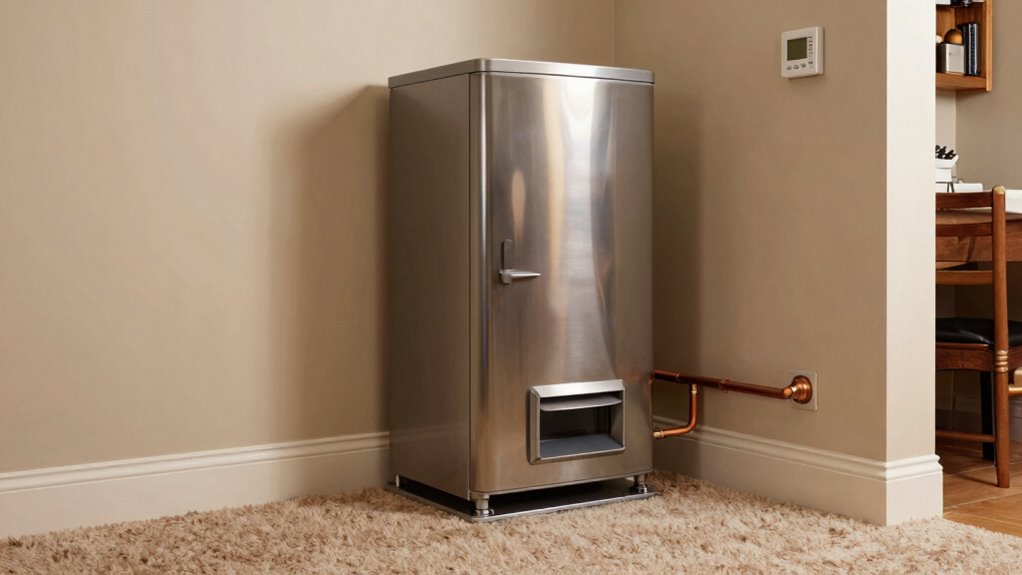
Indoor add-on furnaces are best suited for homes where the primary heating system is already in place but needs a boost. If you find that certain rooms are consistently colder or that your current furnace runs constantly without adequately warming your space, an add-on unit can target those problem areas effectively. They’re also ideal for homes with specific zones that require independent temperature control, such as in multi-story buildings or homes with large open areas. Because they supplement your main system rather than replace it, you get a more customized, efficient heating solution without the expense and disruption of a complete overhaul.
These furnaces are particularly advantageous if your existing heating system is relatively new and still functional but not adequately meeting your needs. They allow you to extend your system’s lifespan and improve energy efficiency by reducing the workload on your primary furnace. Additionally, since many add-on models are compatible with smart thermostats, you can optimize their operation for maximum comfort and efficiency. Proper sterilization and maintenance of the units also ensure safe and effective operation over time. It’s important to consider indoor air quality factors when installing supplemental heating solutions, as they can influence overall home health. Regularly evaluating and maintaining your heating units can prevent issues such as air contaminants, thereby safeguarding your indoor environment. Incorporating proper insulation can further enhance the effectiveness of your heating system and reduce energy costs. To ensure optimal performance, understanding the energy efficiency ratings of different models can help you make informed decisions.
indoor add-on furnace for existing ductwork
As an affiliate, we earn on qualifying purchases.
As an affiliate, we earn on qualifying purchases.
Frequently Asked Questions
Can Indoor Add-On Furnaces Be Used With Existing Ductwork?
Yes, indoor add-on furnaces can be used with your existing ductwork, provided they are compatible. You should check duct compatibility to confirm the new unit fits properly and efficiently distributes heat. Additionally, ventilation requirements must be met to ensure safe operation and proper airflow. Consulting an HVAC professional helps verify that your current duct system and ventilation setup are suitable for the add-on furnace, ensuring peak performance.
What Is the Average Cost of Installation?
The average cost of installing an indoor add-on furnace typically ranges from $2,500 to $6,000, depending on your home’s size and existing ductwork. Think of it like planting a seed—you’ll face some installation challenges, especially with integrating your current system. Doing a thorough cost comparison helps you avoid surprises, ensuring you’re prepared for any unexpected hurdles and know exactly what you’re investing in for cozy comfort.
Are They Energy-Efficient Compared to Central Heating?
Indoor add-on furnaces are generally less energy-efficient than central heating systems, but they can still deliver solid energy savings when used properly. They target specific areas, reducing unnecessary heating and lowering your energy consumption. This focused approach minimizes environmental impact by conserving energy. While central systems might be more efficient overall, add-on furnaces offer a practical solution for supplemental heating needs, helping you balance comfort with eco-friendliness.
How Long Does Installation Typically Take?
Installation usually takes about 4 to 8 hours, making it a quick upgrade for your home’s heating system. Remarkably, the cost comparison shows add-on furnaces can be installed for roughly half the price of a full central system. The installation timeline depends on your home’s setup and existing ductwork, but most projects are completed in a single day, minimizing disruption and getting you warm faster.
Do They Require Regular Maintenance or Servicing?
Indoor add-on furnaces do require regular maintenance and servicing to keep them running efficiently. You should follow recommended maintenance schedules, including annual inspections, filter changes, and system cleaning. Servicing requirements involve checking for any issues, ensuring proper airflow, and verifying safety features. Staying consistent with these tasks helps prevent breakdowns, extends the furnace’s lifespan, and maintains *ideal* heating performance, making your home more comfortable and energy-efficient year-round.
Conclusion
So, if you’re looking to gently extend your home’s warmth without overhauling your entire system, indoor add-on furnaces might just be your quiet hero. They fit nicely into many setups, offering cozy comfort with a subtle touch. Think of them as a friendly nudge toward a warmer space—keeping things simple, efficient, and just right for your needs. With a little planning, you’ll enjoy the inviting warmth without any fuss, making your home a true haven.
Halloween Picks
halloween
As an affiliate, we earn on qualifying purchases.