You should add outside air when your appliances show signs of insufficient combustion, like yellow or flickering flames, soot buildup, or reduced efficiency. These issues indicate the appliances aren’t getting enough oxygen for complete combustion, which can lead to dangerous gases or poor performance. Ensuring proper outside air supply helps keep your system safe, efficient, and clean-burning. To fully understand how to maintain peak combustion conditions, consider exploring more about ventilation and proper airflow solutions.

Get business pricing on tools and workshop supplies
- Business-only prices and quantity discounts
- Tax-exempt purchasing
- Multiple users, one account, clear invoices
Key Takeaways
- Add outside air when flames flicker or turn yellow, indicating insufficient combustion air.
- Install outside air vents if appliances show soot, condensation, or poor performance.
- Use dedicated outside air intake pipes in sealed or well-insulated homes to ensure proper airflow.
- Regularly inspect ventilation systems to confirm they meet manufacturer specifications for combustion air.
- Increase outside air supply if indoor air quality issues or appliance inefficiencies arise.
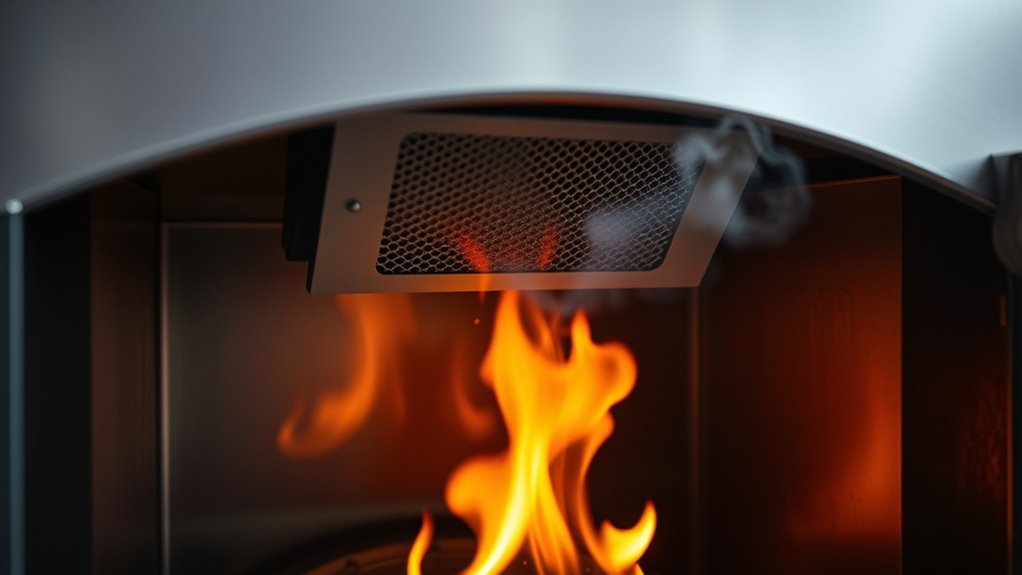
Understanding combustion air is essential for ensuring safe and efficient operation of heating systems and appliances that rely on combustion. Proper ventilation requirements are crucial because they supply the necessary oxygen for combustion while preventing dangerous buildup of gases like carbon monoxide. Without adequate fresh air, your heating system can operate inefficiently, produce excess emissions, or even pose safety risks. When combustion air is insufficient, appliances may struggle to burn fuel completely, leading to incomplete combustion and the production of harmful pollutants. Consequently, ensuring proper airflow not only protects your equipment but also maintains healthy indoor air quality, which is vital for your well-being and comfort.
Proper combustion air is vital for safe, efficient heating system operation and indoor air quality.
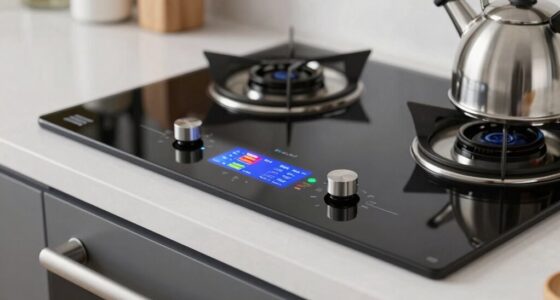
You should pay close attention to the ventilation requirements of your heating appliances. These requirements vary depending on the type of appliance, the size of the space, and whether the system is vented indoors or outdoors. For example, ventless gas appliances typically need a steady supply of outside air to operate safely and efficiently. If your home or space lacks proper ventilation, the combustion process may draw air from within the room, which can decrease indoor air quality. This can lead to a buildup of combustion byproducts, such as nitrogen oxides or carbon monoxide, which pose serious health hazards. To prevent this, you might need to add outside air sources, like vents or dedicated air intake pipes, especially in tightly sealed or well-insulated homes where natural infiltration is limited.
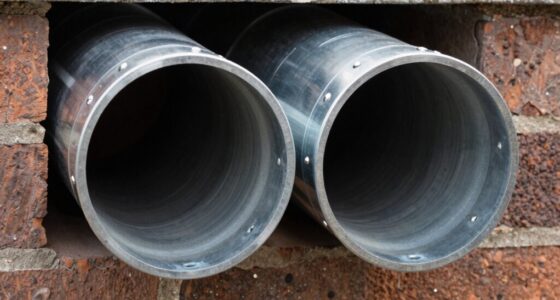
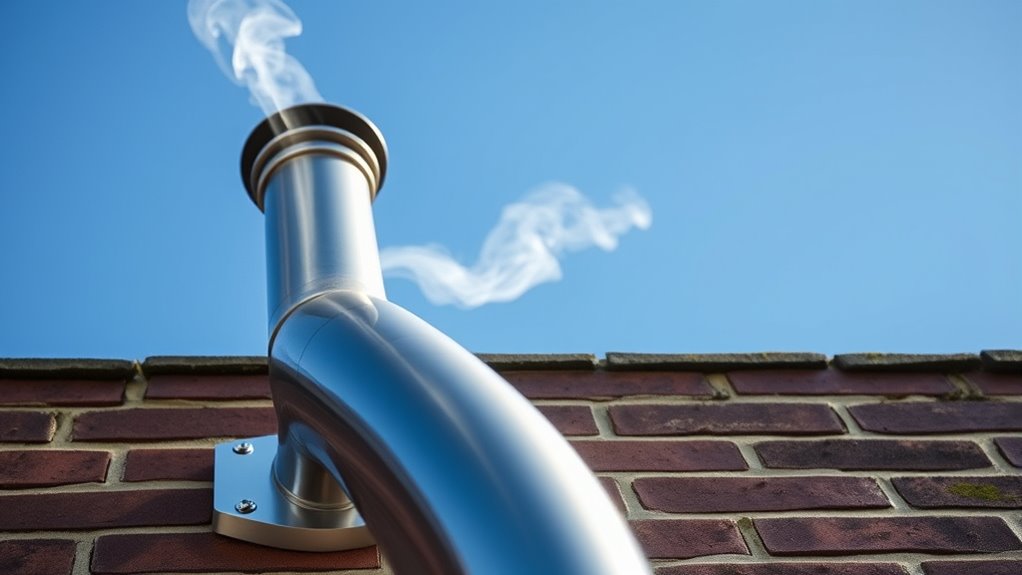
Adding outside air isn’t just about safety; it also boosts the efficiency of your heating system. When appliances receive the correct amount of combustion air, they burn fuel more completely, resulting in better performance and lower energy costs. Conversely, insufficient air can cause the system to work harder, increasing wear and tear and possibly leading to costly repairs. It’s important to assess your space and determine if your current ventilation meets the manufacturer’s specifications. In many cases, opening a dedicated outside air vent or installing a combustion air intake can solve airflow issues. These upgrades ensure you meet ventilation requirements, promote complete combustion, and preserve indoor air quality.
Ultimately, understanding when to add outside air involves recognizing the signs of poor combustion and inadequate ventilation. If you notice yellow or flickering flames instead of a steady blue, or if your appliances produce excess soot or condensation, these are indicators that your system isn’t getting enough fresh air. Addressing these issues by improving ventilation requirements helps you maintain a safer environment, optimize appliance performance, and support good indoor air quality. Regular maintenance and inspections are essential to ensure your home’s combustion air needs are met, keeping your heating systems running safely and efficiently. Additionally, staying informed about curiosity benefits can motivate proactive measures to improve your home environment.
outside air vent for gas appliances
As an affiliate, we earn on qualifying purchases.
As an affiliate, we earn on qualifying purchases.
Frequently Asked Questions
How Do I Calculate the Right Amount of Outside Air Needed?
You need to determine the right amount of outside air by measuring airflow accurately, typically using airflow measurement tools. Start by calculating the ventilation balance required for your space, considering factors like occupancy and equipment. Then, compare the existing airflow to these needs. If there’s a shortfall, add outside air until you achieve proper ventilation balance, ensuring safe and efficient combustion and air quality.
Can Excess Outside Air Cause Efficiency Issues?
Yes, excess outside air can cause efficiency issues. When you bring in too much fresh air, it can lower your system’s ventilation efficiency and compromise air quality. You’ll use more energy to heat or cool the additional outside air, which increases operating costs. To maintain peak efficiency, balance your outside air intake carefully, ensuring enough ventilation without overloading your system with unnecessary outside air.
What Are the Signs of Insufficient Combustion Air?
You’ll notice poor air quality, uneven flame, or pilot outages when combustion air is insufficient. These signs indicate ventilation needs aren’t met, risking incomplete combustion and dangerous emissions. Studies show that inadequate air supply can reduce efficiency by up to 15%. If your system struggles to maintain proper flames or you smell unusual fumes, it’s time to increase outside air to improve safety and performance.
Are There Safety Risks With Adding Too Much Outside Air?
Adding too much outside air can pose safety risks by diluting combustion gases, which might lead to poor air quality and incomplete combustion. Excessive outside air can also affect ventilation strategies, causing the system to work harder and potentially reducing efficiency. To guarantee safety, balance outside air intake carefully, and regularly monitor indoor air quality. Proper ventilation strategies help maintain safe, ideal conditions without compromising system performance or occupant health.
How Often Should Combustion Air Systems Be Inspected?
You should inspect your combustion air system regularly—ideally, annually—to guarantee proper air flow and correct vent sizing. During inspections, check for blockages, corrosion, or any signs of wear that could hinder air circulation. Maintaining ideal vent sizing prevents backdrafts and promotes efficient combustion. Regular inspections help catch issues early, ensuring safety, efficiency, and adherence to regulations, giving you peace of mind and reliable operation of your system.
Conclusion
Remember, adding outside air is like opening a window to fresh hope in your furnace’s heart. When your system struggles, it’s a sign to invite that breath of life in. Don’t let your heater suffocate in silence; give it the gift of clean, abundant air. With each outside breath, you’re fueling not just your furnace, but the warmth and comfort that make your house a home. Let fresh air be your secret to lasting warmth.
Fall Picks
fall essentials
As an affiliate, we earn on qualifying purchases.