
Choosing between a 6-inch and an 8-inch chimney liner kit depends on your appliance’s venting needs and chimney size. A 6-inch liner is ideal for smaller appliances like low-output fireplaces or wood stoves, while an 8-inch liner suits larger or high-capacity systems. Using the wrong size can lead to safety hazards, poor venting, or damage. To guarantee safety and peak performance, understanding the key differences is essential—continue to learn more about when each size really matters.

Get business pricing on tools and workshop supplies
- Business-only prices and quantity discounts
- Tax-exempt purchasing
- Multiple users, one account, clear invoices
Key Takeaways
- Choose a 6-inch liner for small fireplaces or low-output wood stoves to ensure proper venting.
- Use an 8-inch liner for larger appliances or high-capacity stoves needing greater exhaust flow.
- Proper sizing prevents creosote buildup, leaks, and fire hazards by matching appliance venting requirements.
- Oversized liners (e.g., 8-inch for small appliances) can cause improper sealing and reduce system efficiency.
- Accurate chimney measurements and appliance specifications are essential to select the correct liner size.
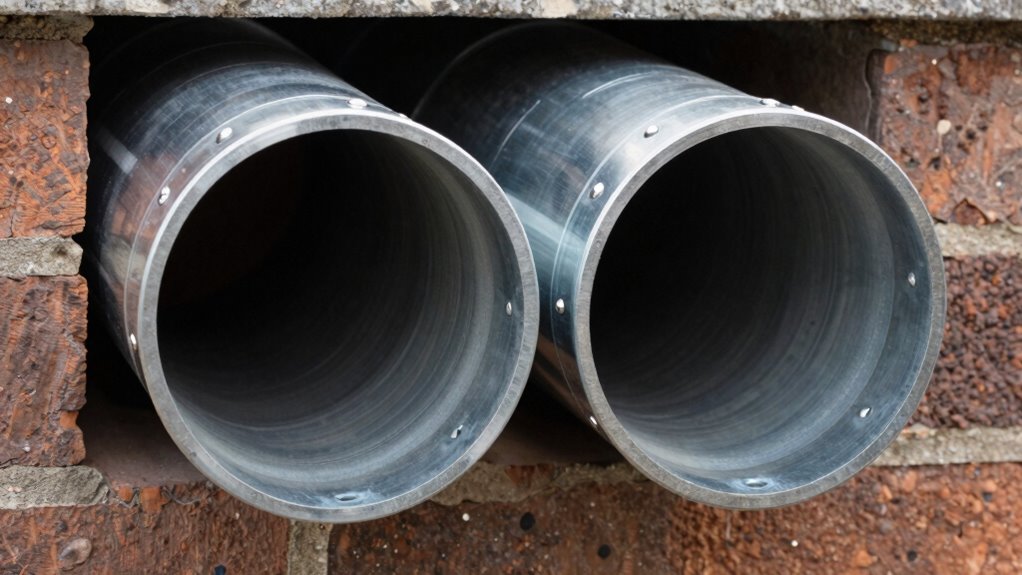
Choosing the right chimney liner kit is essential for safe and efficient venting, especially when deciding between a 6-inch and an 8-inch liner. The size you pick directly impacts fire safety and the overall performance of your heating system. If the liner is too small, it can restrict exhaust flow, leading to dangerous buildup of carbon monoxide and creosote, which increases the risk of chimney fires. Conversely, an oversized liner may not fit properly, causing leaks or improper sealing. To ensure fire safety, you need to match the liner size to your appliance’s venting requirements, which often depends on the appliance’s BTU output and manufacturer specifications.
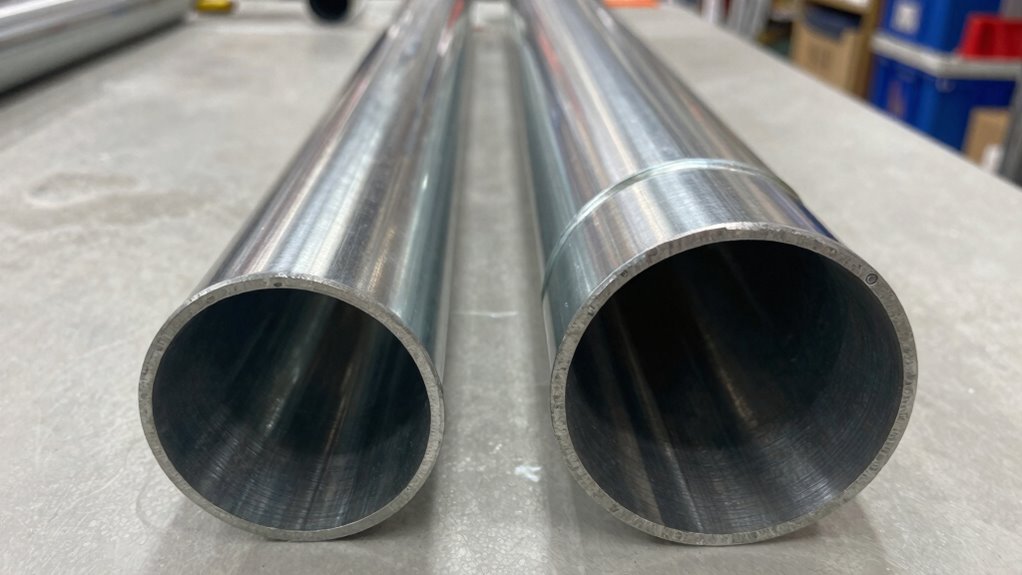
When considering installation tips, it’s important to measure your chimney accurately. An improper fit can compromise fire safety and efficiency. If you’re installing a 6-inch liner, it’s typically suitable for smaller appliances like wood stoves or fireplaces with lower heat output. For larger appliances or high-capacity wood stoves, an 8-inch liner might be necessary to accommodate increased flue gases and ensure proper venting. Before starting, clean your chimney thoroughly to remove creosote and debris, which can cause blockages and increase fire risk. You should also inspect the chimney’s interior for any damage or obstructions that could impede the liner’s installation. Additionally, understanding the chimney’s dimensions is crucial for selecting the correct liner size and preventing potential issues. Proper measurement and assessment of the chimney’s interior help to ensure the liner fits securely and performs optimally.
When working with either size, use high-quality materials designed for chimney liners—stainless steel is a popular choice because it resists corrosion and withstands high temperatures. During installation, ensure the liner is properly supported and sealed at all joints to prevent leaks. Sealing the top and bottom connections correctly is crucial for maintaining fire safety and preventing heat transfer to combustible materials. Also, consider the climate’s impact on chimney performance, as different weather conditions can affect draft and venting efficiency. Ensuring the correct installation process is followed can significantly reduce potential risks and improve the longevity of your chimney system.
Choosing between a 6-inch and an 8-inch liner ultimately depends on your appliance’s specifications and your chimney’s dimensions. Proper sizing is critical to avoid fire hazards and ensure your system operates efficiently. Following installation tips carefully, such as precise measurement, thorough cleaning, and secure sealing, will help you achieve a safe, long-lasting venting solution. Remember, when in doubt, consulting a professional can make all the difference in ensuring your chimney liner meets safety standards and performs optimally.
6 inch stainless steel chimney liner kit
As an affiliate, we earn on qualifying purchases.
As an affiliate, we earn on qualifying purchases.
Frequently Asked Questions
How Long Does a Chimney Liner Kit Typically Last?
A chimney liner kit typically lasts 10 to 15 years, depending on the chimney material and installation quality. Stainless steel liners tend to be more durable, offering a longer lifespan, while aluminum liners may need replacement sooner. Keep in mind that higher installation costs often reflect better materials and professional work, which can extend your liner’s life. Regular inspections help confirm safety and maximize your liner’s longevity.
Are There Specific Safety Standards for Chimney Liner Kits?
You might be surprised, but yes, there are specific safety standards for chimney liner kits. These standards focus on fire safety and material quality, ensuring your chimney can handle high temperatures without risk. Manufacturers follow strict regulations to meet or exceed these standards, giving you peace of mind. Always verify that your kit complies with local building codes and industry regulations to keep your home safe and secure.
Can I Install a Chimney Liner Kit Myself?
Yes, you can install a chimney liner kit yourself, but it’s essential to follow proper safety precautions. Before starting your DIY installation, make sure you understand the process thoroughly, wear protective gear, and work in a well-ventilated area. Check local building codes and safety standards to avoid hazards. If you’re unsure or uncomfortable, hiring a professional is the safest choice, especially for complex installations.
What Are the Signs of a Damaged Chimney Liner?
A damaged chimney liner is like a cracked shield, exposing your home to risks. You might notice soot or creosote buildup, rust, or corrosion, which signals deterioration. Excess smoke or a burning smell also indicates issues. When doing chimney maintenance, look for cracked or warped liner materials, loose sections, or efflorescence. Promptly addressing these signs helps prevent dangerous fumes or fires from escaping through compromised liners, ensuring safety and efficiency.
How Do I Choose the Right Size for My Appliance?
You should choose a chimney liner size based on your appliance’s venting requirements to guarantee chimney safety and peak performance. Check your appliance’s manufacturer specifications for the correct diameter—6-inch or 8-inch. A properly sized liner guarantees compatibility, prevents dangerous fumes buildup, and maintains efficient operation. Always prioritize matching the liner size to your appliance to keep your chimney safe, efficient, and compliant with safety standards.
Conclusion
Choosing between a 6-inch and 8-inch chimney liner kit is like picking the right size shoe—it needs to fit perfectly for comfort and safety. When you understand your chimney’s needs, you make certain your heating system runs smoothly, like a well-tuned orchestra. Don’t rush the decision; think of it as setting the foundation for warmth and safety in your home. The right fit keeps everything running seamlessly, protecting your home from the inside out.
Fall yard work Picks
leaf blowers
As an affiliate, we earn on qualifying purchases.