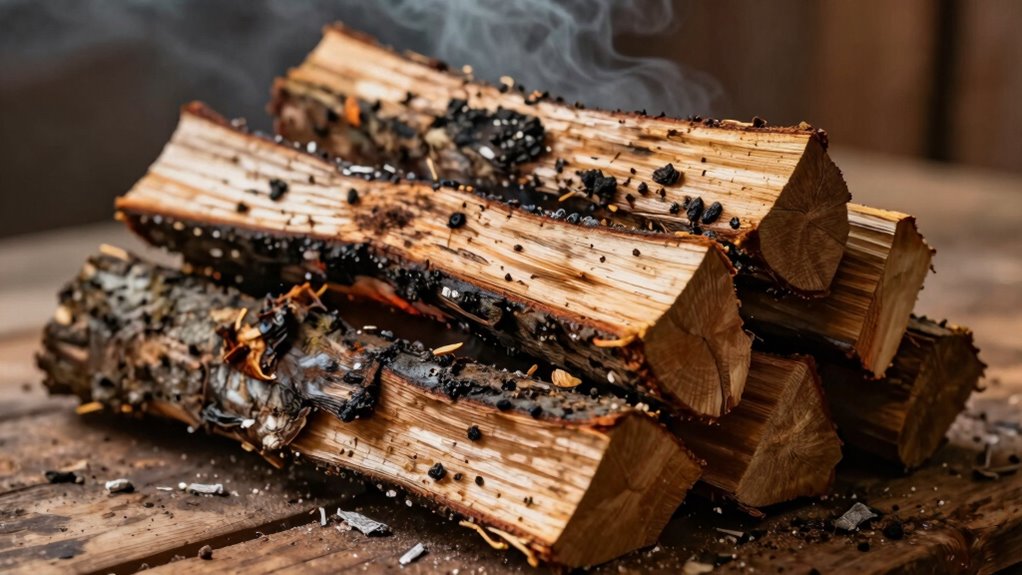

Burning unseasoned or green wood is the main mistake that makes chimneys dirtier faster. Wet or green wood contains high moisture levels, which creates more smoke and creosote as it burns. This buildup quickly clogs your chimney and increases fire risks. If you want a cleaner, more efficient fire, it’s essential to use properly seasoned wood. Keep going to discover how to avoid this mistake and keep your chimney cleaner longer.

Get business pricing on tools and workshop supplies
- Business-only prices and quantity discounts
- Tax-exempt purchasing
- Multiple users, one account, clear invoices
Key Takeaways
- Burning green or unseasoned wood produces more smoke and creosote, accelerating chimney buildup.
- Using wet wood causes excess steam, cooling the fire and increasing creosote deposits.
- Improperly stored wood retains moisture, leading to inefficient burns and faster chimney contamination.
- Failing to check moisture content results in burning wood that fouls the chimney quickly.
- Burning unseasoned wood increases the risk of dangerous chimney fires due to rapid creosote accumulation.
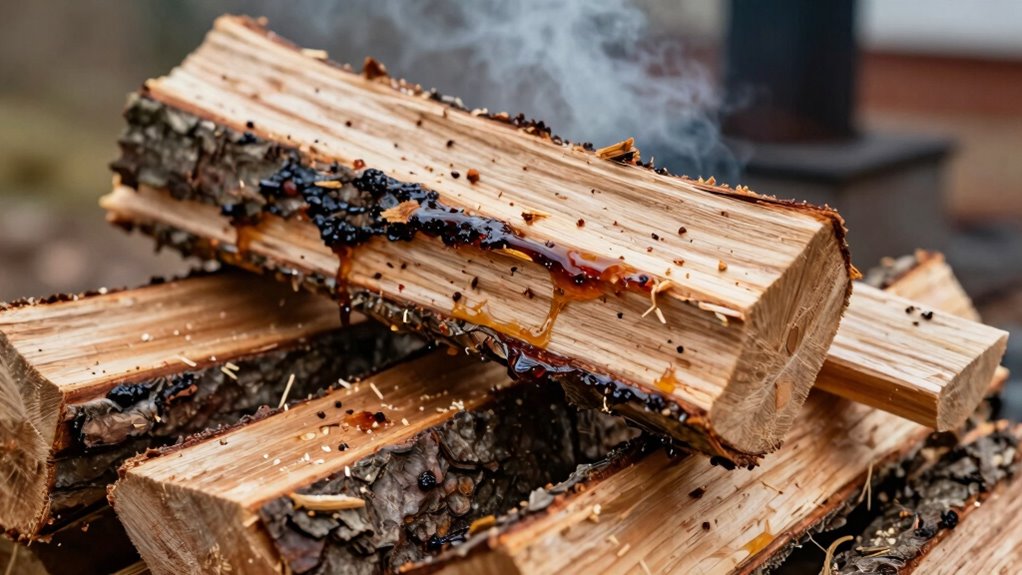
Have you ever wondered why your chimney gets so dirty after burning firewood? The answer often comes down to one simple mistake: using improperly seasoned wood. When your firewood isn’t adequately dried, it contains too much moisture, which directly impacts how your fireplace performs and how quickly your chimney gets coated with creosote. Wet or green wood burns inefficiently, producing more smoke and leading to increased chimney creosote buildup. This sticky, tar-like substance sticks to the inside of your chimney, creating dangerous blockages and increasing the risk of chimney fires.
Burning wet or green wood causes creosote buildup and chimney fires—use properly seasoned firewood for safety and efficiency.
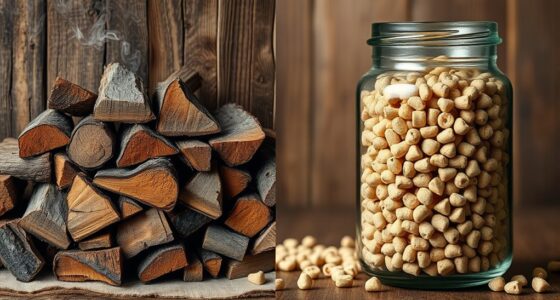
You might think that simply tossing any logs into the fire will do, but if your wood is fresh or hasn’t been properly seasoned, you’re setting yourself up for trouble. Freshly cut wood can contain up to 50% moisture, whereas seasoned firewood should ideally have less than 20%. When you burn wood with high moisture content, the excess water turns into steam during combustion, which cools the fire and causes incomplete burning. This incomplete combustion produces more smoke, which is rich in creosote— the residue that coats your chimney walls over time. The more creosote that accumulates, the more frequent and difficult chimney cleaning becomes, not to mention the increased fire hazard it poses.
Using wet wood also results in lower heat output and less efficient heating. You’ll find yourself constantly adjusting the damper or adding more wood, trying to get a hotter, cleaner burn. But no matter how many logs you throw on, if the wood isn’t properly seasoned, you’re just feeding the problem. Over time, this leads to a rapid buildup of creosote, which narrows the chimney flue and increases the chance of dangerous blockages. This buildup can sometimes be so thick that it ignites, causing chimney fires that can threaten your home and safety. Proper storage and seasoning are essential to prevent these issues. Additionally, using quality firewood can significantly improve your burning experience and safety.
To prevent this, you need to prioritize drying your firewood before burning. Properly seasoned wood feels dry to the touch, has cracks in the ends, and weighs less than green logs. Store your wood in a dry, well-ventilated space, stacking it off the ground and covering the top to keep out rain. When you start using dry, seasoned wood, you’ll notice a cleaner burning fire, less creosote buildup, and a safer chimney overall. It’s a simple step, but one that makes a huge difference in maintaining a cleaner, safer fireplace and reducing the risk of chimney-related hazards. Additionally, understanding the importance of properly seasoned wood can help you make informed decisions for a safer, more efficient fire. Ensuring your firewood is properly stored also plays a crucial role in maintaining its quality and dryness. Regularly checking for moisture content can further improve your burning efficiency and safety.
As an affiliate, we earn on qualifying purchases.
Frequently Asked Questions
How Can I Tell if My Firewood Is Properly Seasoned?
You can tell if your firewood is properly seasoned by checking seasoning indicators like cracks in the wood and a dry, dull appearance. Use a moisture meter to measure wood moisture—ideally, it should be below 20%. Properly seasoned wood feels lightweight and burns cleanly with minimal smoke. If the wood is heavy and produces a lot of smoke, it’s likely not seasoned enough, increasing chimney buildup and soot.
Does the Type of Wood Affect Chimney Cleanliness?
Yes, the type of wood dramatically affects chimney cleanliness. Denser woods like oak have high wood density and lower moisture content, producing less creosote buildup. Softer, wetter woods like pine have high moisture content and burn hotter, releasing more soot and creosote, which clog your chimney faster. Choosing properly seasoned hardwoods means less soot, cleaner chimneys, and safer fires—don’t underestimate the power of wood density and moisture content!
How Often Should I Have My Chimney Inspected?
You should have your chimney inspected at least once a year to guarantee chimney safety. Regular inspections help identify creosote buildup and structural issues early. Proper firewood storage, like keeping wood dry and away from your home, reduces the risk of creosote accumulation. If you burn wood frequently or notice issues like smoke drafts, consider more frequent inspections. Staying proactive keeps your chimney safe, efficient, and clean.
Can Using Newspaper or Cardboard as Kindling Cause Damage?
Using newspaper or cardboard as kindling can cause damage because of newspaper contamination and cardboard residue. The ink in newspapers may release chemicals that create creosote buildup, increasing chimney fire risks. Cardboard often contains adhesives or dyes that can produce excessive soot and residue, leading to faster chimney dirtiness. To protect your chimney, stick to dry, seasoned hardwoods, and avoid using newspaper or cardboard as your primary kindling source.
What Are the Signs of a Chimney That Needs Cleaning?
Your chimney’s crying out for help when you see excessive chimney soot buildup or notice smoke swirling inside your home. If your firewood has high moisture, it produces more creosote, leading to quicker soot accumulation. Cracked or stained mortar, reduced draft, or an unpleasant odor also signal it’s time for a cleaning. Ignoring these signs risks dangerous chimney fires, so stay vigilant and clean it before problems escalate.
Conclusion
If you keep making this simple firewood mistake, your chimney will gather soot faster than you can imagine. Just one overlooked habit could turn cozy fires into costly cleaning sessions. Imagine the surprise when your chimney becomes a stubborn mess, threatening your warm nights ahead. Don’t let a small oversight turn your comfort into chaos. Stay alert, correct your firewood habits now, and keep that chimney cleaner—and your fires burning bright—longer.
Halloween Picks
halloween
As an affiliate, we earn on qualifying purchases.