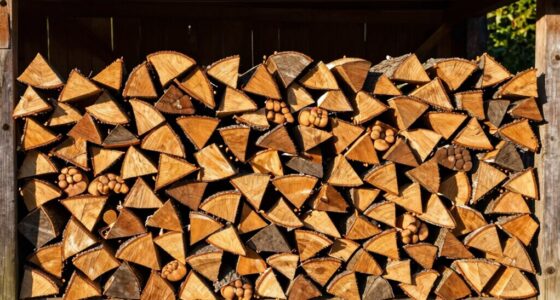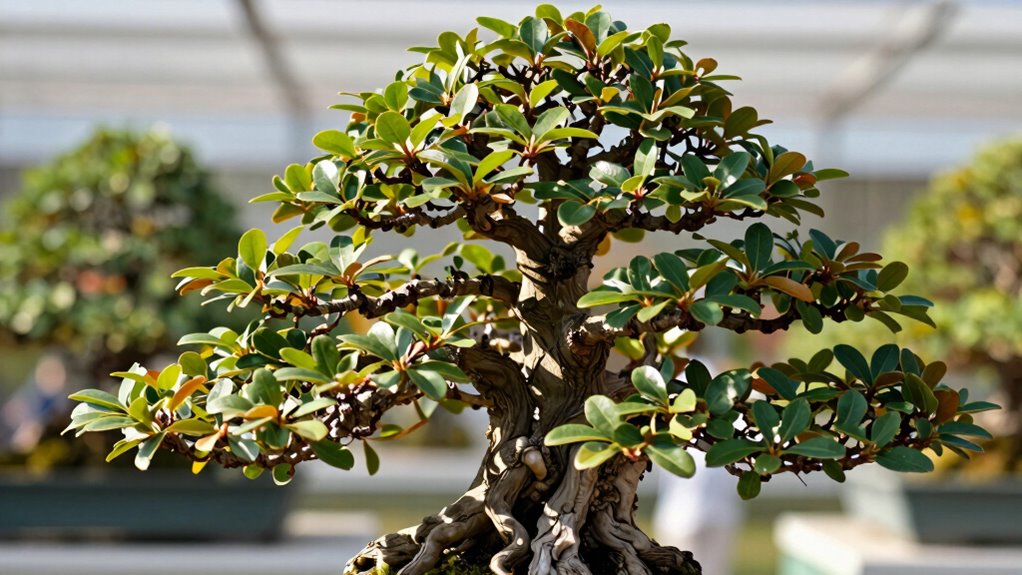

Many species look similar on the outside but hide internal traits that can mislead you into bad splitting habits. You might assume a technique that worked before will work again, but genetic differences and environmental factors like moisture and temperature can change how tough the tissue is. Ignoring internal and external clues often results in damage or failure. If you keep exploring, you’ll discover how understanding these hidden differences improves your splitting skills.

Get business pricing on tools and workshop supplies
- Business-only prices and quantity discounts
- Tax-exempt purchasing
- Multiple users, one account, clear invoices
Key Takeaways
- External appearance can be misleading, hiding internal structural differences that affect splitting behavior.
- Species-specific traits influence tissue hardness, often causing beginners to apply incorrect techniques.
- Environmental conditions like moisture and temperature alter tissue softness, leading to improper splitting habits.
- Assumptions that all species respond similarly ignore genetic adaptations that impact splitting ease.
- Seasonal changes affect tissue properties, causing beginners to develop habits suited only to specific times or conditions.
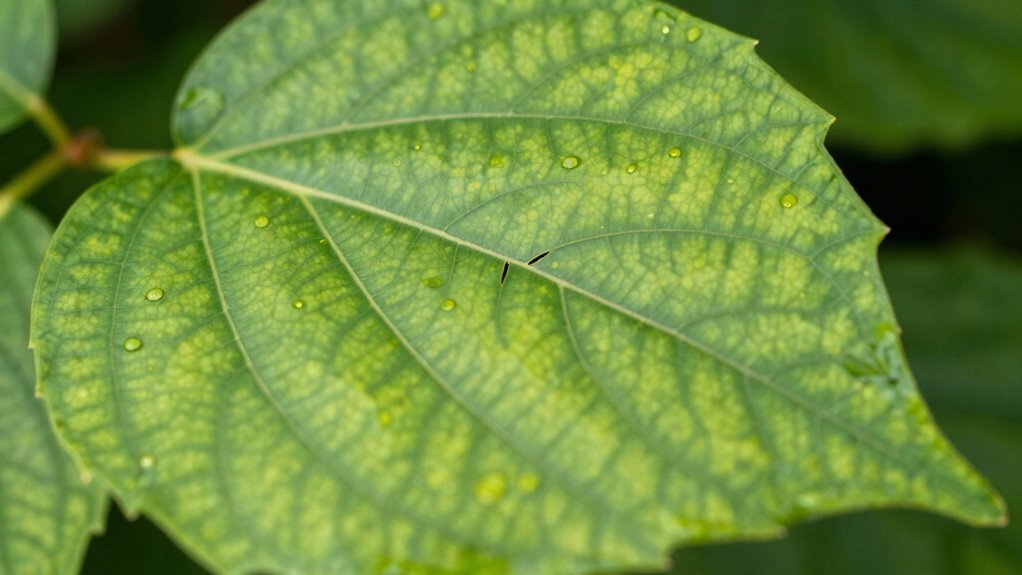
Many beginners fall into the trap of adopting poor splitting habits because they’re often misled by common misconceptions or incomplete advice. When you start learning about how to split specimens or materials, it’s easy to assume that what works for one species will work for all. But that’s not the case. Some species, due to their genetic adaptation, are naturally evolved to split or break in specific ways. These traits are deeply rooted in their DNA, shaped over generations to optimize survival in their particular environments. As a result, if you try to apply a universal splitting technique without considering these genetic factors, you’ll likely end up with inefficient or damaging results.
Environmental influence plays a big role here, too. The conditions in which a species develops—like temperature, humidity, or even the soil composition—directly impact how easily it splits or breaks. For example, certain plants or fungi may have developed softer cell walls because of their moist habitats, making them easier to split when compared to species that have tougher, more resistant structures due to arid environments. When beginners ignore these environmental factors and rely solely on a generic splitting method, they often cause unnecessary damage or fail to achieve clean splits.
What’s tricky is that many species appear similar on the surface but differ considerably beneath. This is where understanding their genetic adaptation becomes vital. You might see two specimens look alike but have different internal structures or hardiness levels because of their evolutionary history. If you don’t account for these differences, you’ll develop habits that don’t suit the specific species you’re working with, leading to frustration and setbacks. Recognizing species-specific traits can help refine your techniques and prevent common mistakes. Additionally, genetic variation influences how different species respond to splitting, so being aware of this can improve your success rate.
Furthermore, environmental influence can change how a species responds to splitting over time. Seasonal changes, for instance, can alter the tissue firmness or moisture content, making certain methods more effective during one period and less so in another. Beginners often overlook these subtle but important influences, which results in poor splitting habits that are not adaptable. Recognizing these genetic and environmental factors is crucial for developing proper splitting techniques and avoiding common pitfalls.
Products Worth Considering
Dyson Purifier Hot+Cool HP2 De-NOx

LEVOIT Vital 200S-P Smart Air Purifier for Large Rooms, White

eufy E25 Robot Vacuum and Mop with HydroJet Roller Mop
As an affiliate, we earn on qualifying purchases.
Frequently Asked Questions
How Can I Identify Species That Cause Bad Splitting Habits Early?
You can identify species that cause bad splitting habits early by observing their species behavior and noting early indicators. Look for traits like unpredictable splitting, inconsistent growth patterns, or aggressive tendencies that might lead to poor practices. Research specific species beforehand, paying attention to documented behaviors. When you notice these early indicators during handling or training, it’s a sign to adjust your approach or seek advice to prevent developing bad habits.
Are There Specific Tools Recommended for Dealing With Tricky Species?
Think of dealing with tricky species behavior as maneuvering a jungle gym—you need the right tools to stay balanced. Use specialized splitting tools with ergonomic handles designed for comfort and control. A sharp, well-balanced axe or splitting maul makes the job easier and safer. Look for tools with proper grip and weight distribution, ensuring you respond quickly and accurately, reducing bad habits from poor technique and making your work more efficient.
Do Beginner Mistakes With These Species Affect Long-Term Health?
Yes, beginner mistakes with tricky species can impact long-term health. If you don’t understand their species behavior, you might develop bad splitting habits that stress or harm them over time. For example, improper handling or inadequate habitat setup can cause health issues. To guarantee their long-term health, learn about their specific behaviors, handle them gently, and provide appropriate environments. Addressing these factors early helps prevent long-term health problems.
Can Training or Practice Overcome the Challenges Posed by These Species?
Yes, training and practice can help you overcome challenges posed by these species’ behavior. By using effective training techniques tailored to their instincts, you can correct bad habits and improve their splitting skills. Consistency and patience are key, as these species often require a different approach. With dedicated effort, you can develop better understanding and communication, which ultimately leads to healthier habits and long-term success in handling them.
Are There Alternative Species That Are Easier for Beginners to Split?
You’ll find some species easier for beginners to split because of better compatibility and straightforward splitting techniques. For instance, certain hardy plants or fungi have a reputation for being more forgiving and less finicky. These species tend to adapt quickly and require less precision, making your journey smoother. Look for those with proven success stories in beginner guides, and you’ll avoid unnecessary headaches while mastering your splitting skills.
Conclusion
You might think you’re mastering splitting techniques, but some species subtly encourage bad habits by mimicking familiar patterns. This deception can lead beginners astray, reinforcing ineffective methods. To truly understand, visualize your technique as a flowchart: if you follow a species’ misleading cues, your diagram spirals into confusion. Recognizing these tricks helps you adjust your approach, avoiding pitfalls and developing solid habits. Stay aware, question what you see, and refine your skills with clear, intentional practice.