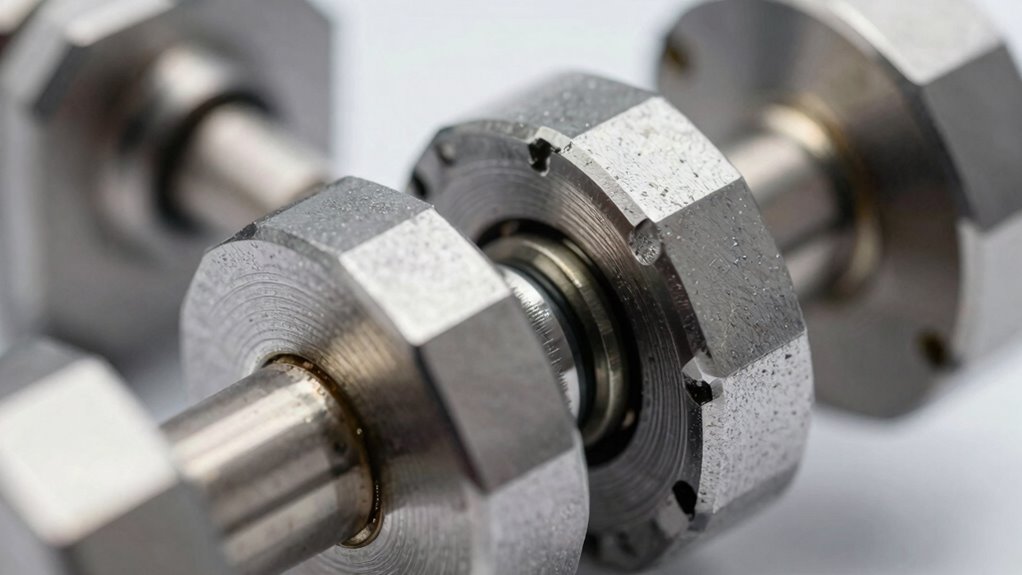

During repetitive splitting, a detent valve gradually loses its ability to hold components securely in place. You’ll notice subtle leaks and decreased sealing over time, which reduce hydraulic efficiency. Springs may weaken, and seals can crack or deform, causing the valve to respond less precisely. This wear can lead to unintended movements, more energy use, and system instability. Continuing this pattern can cause bigger issues, but learning about the signs helps prevent costly failures.

Get business pricing on tools and workshop supplies
- Business-only prices and quantity discounts
- Tax-exempt purchasing
- Multiple users, one account, clear invoices
Key Takeaways
- The detent valve gradually loses its sealing effectiveness, allowing minor leaks during repetitive splitting cycles.
- Mechanical wear deforms internal components, reducing the valve’s ability to hold precise positions.
- Wear diminishes the detent’s holding power, increasing unintended movements and reducing operational accuracy.
- Repetitive use causes internal component degradation, leading to decreased responsiveness and potential sticking.
- Continuous cycles accelerate leaks and mechanical deterioration, impairing fluid flow control and system efficiency.
Repeated splitting processes can cause subtle but significant changes in detent valve performance. As you operate the machinery through countless cycles, the valve endures continuous stress, and these small, often unnoticed shifts can impact overall system efficiency. One of the primary aspects affected is hydraulic efficiency. When the detent valve begins to wear, it may not seal as perfectly as it once did, leading to minor leaks or unintended fluid flow. This leakage reduces the system’s hydraulic efficiency, making your equipment work harder to achieve the same results. Over time, the reduced efficiency can translate into increased energy consumption and diminished productivity, especially if the valve’s condition isn’t monitored regularly. Additionally, mechanical wear can cause the internal components to become misaligned, further impacting performance and longevity.
Repeated cycles can subtly reduce detent valve sealing, decreasing efficiency and increasing energy consumption over time.
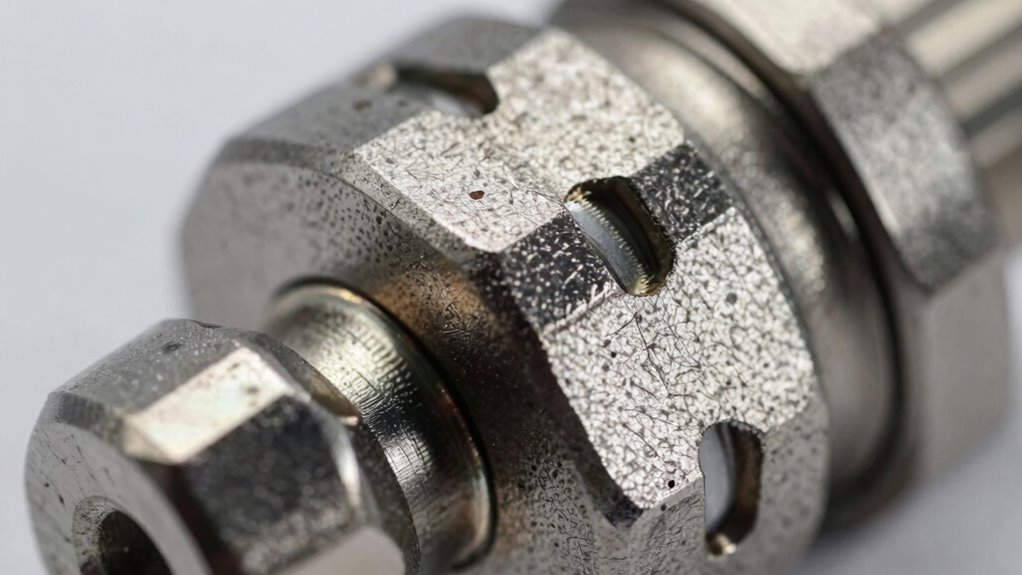
Mechanical wear is another critical factor that changes during repetitive splitting. Each cycle subjects the valve’s internal components—such as springs, seals, and plunger surfaces—to repeated contact and friction. As these parts experience continuous movement, they gradually degrade. Springs may lose tension, seals may develop small cracks or deformities, and contact surfaces can become scratched or pitted. This mechanical wear alters the valve’s precise operation, making it less responsive, or causing it to stick or fail to hold the intended position. The wear isn’t always immediately visible but can cause significant operational issues over time, especially if ignored. Recognizing early signs of component degradation can help prevent costly failures and extend the lifespan of your equipment. Regular inspection and preventive maintenance are essential to catch early signs of wear before they lead to larger issues.
As the mechanical components wear down, the detent’s ability to hold the valve securely in its designated position diminishes. This loss of holding power can lead to unintended shifts or movements during operation, disrupting the splitting process and decreasing overall reliability. You might notice increased cycles needed to complete a split or inconsistent force application, both signs that the valve’s internal condition is changing. Additionally, mechanical wear accelerates the deterioration of hydraulic efficiency since imperfect sealing and internal leaks further compromise fluid flow control. Regular maintenance and component inspection are essential to catch early signs of wear and prevent system failures. Implementing a routine check can significantly reduce unexpected breakdowns and extend the life of your equipment. Monitoring wear patterns can provide valuable insights into the valve’s ongoing condition and help plan timely interventions.
As an affiliate, we earn on qualifying purchases.
Frequently Asked Questions
How Does a Detent Valve Affect Overall System Efficiency?
A detent valve improves overall system efficiency by maintaining consistent system pressure and ensuring precise flow regulation. It holds the valve in a set position, reducing fluctuations and unnecessary energy use. This stability minimizes wear and tear on other components, leading to less downtime. By controlling flow effectively, the detent valve helps your system run smoothly, saving energy and extending equipment life while optimizing performance during repetitive splitting processes.
What Maintenance Is Required for Detent Valves Over Time?
You need to stay on top of maintenance to keep your detent valve running smoothly. Regularly check and follow your lubrication schedules to prevent wear and tear. Inspect seals frequently and replace them as needed to avoid leaks and damage. If you neglect these tasks, you’re playing with fire. Proper upkeep ensures your valve functions efficiently, reducing downtime and costly repairs down the line.
Can Detent Valves Be Customized for Different Splitting Applications?
Yes, detent valves can be customized for different splitting applications. You have various customization options like adjusting pressure settings, spring tension, and valve sizes to suit your specific needs. This flexibility enhances application versatility, allowing you to optimize performance for unique tasks. Customizing detent valves guarantees they work efficiently across diverse splitting scenarios, providing you with reliable control and durability tailored to your operational requirements.
What Are Common Signs of Detent Valve Failure?
You’ll notice signs of detent valve failure when the valve doesn’t hold its position consistently, causing erratic system pressure. Common indicators include unexpected movement, leaks, or difficulties in controlling the system. If your detent valve design isn’t functioning properly, it could lead to pressure drops or pressure spikes, affecting overall performance. Regular inspection helps catch these issues early, ensuring your system maintains ideal pressure and operation.
How Does Temperature Impact Detent Valve Performance?
Temperature effects can substantially impact your detent valve’s performance, making it less reliable when things heat up or cool down. As temperatures fluctuate, materials may expand or contract, affecting how well the valve’s components fit and function. Material compatibility becomes essential; if the valve’s parts aren’t suited for extreme temperatures, it can lead to sticking or leaks. Keep an eye on temperature ranges to guarantee ideal, long-lasting operation.
Conclusion
In the relentless dance of repetitive splitting, a detent valve subtly but profoundly transforms, guiding each cycle with precision. It’s the unsung hero, quietly adapting and ensuring flawless operation, making it seem as if it possesses a mind of its own. Without this tiny marvel, your process could spiral into chaos. Embrace its evolution, for in its small adjustments lies the secret to mastering efficiency—truly, it’s the heartbeat of seamless splitting.
Fall yard work Picks
leaf blowers
As an affiliate, we earn on qualifying purchases.