
You should grease your splitter based on your manufacturer’s guidelines and how often you use it. Typically, greasing after every few uses or at least once a week helps keep it running smoothly. Keep an eye on the equipment’s condition, and adjust the frequency if you notice any issues. Regular inspections and proper lubrication not only extend your splitter’s life but also prevent costly breakdowns. If you want to learn more about best practices, keep exploring the details below.

Get business pricing on tools and workshop supplies
- Business-only prices and quantity discounts
- Tax-exempt purchasing
- Multiple users, one account, clear invoices
Key Takeaways
- Follow the manufacturer’s guidelines for specific greasing intervals.
- Grease at least once a week with regular use, adjusting based on operating conditions.
- Inspect the equipment regularly to determine if re-lubrication is needed.
- Grease after every few uses to maintain smooth operation and prevent wear.
- Proper lubrication frequency prolongs equipment lifespan and reduces safety hazards.
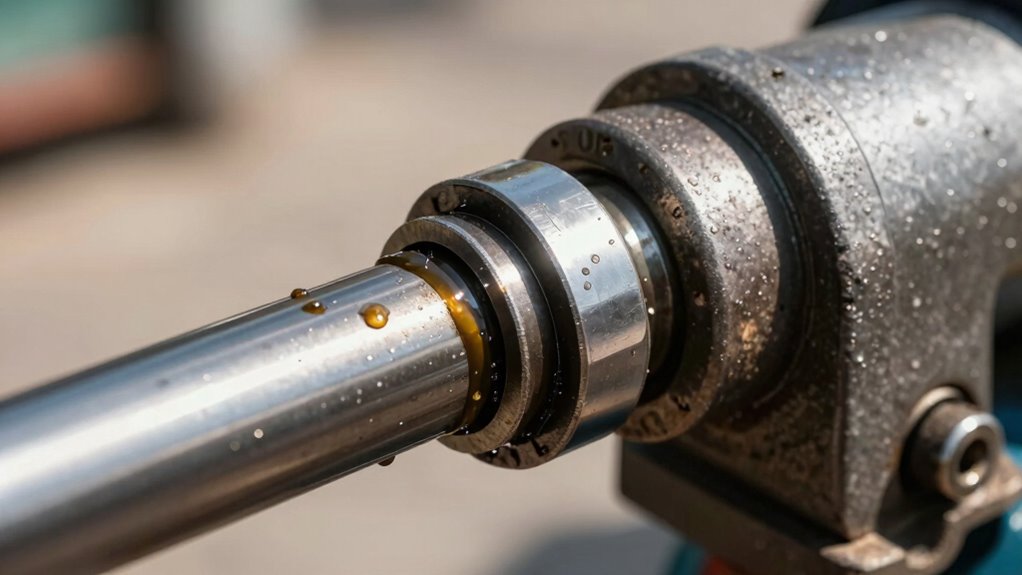
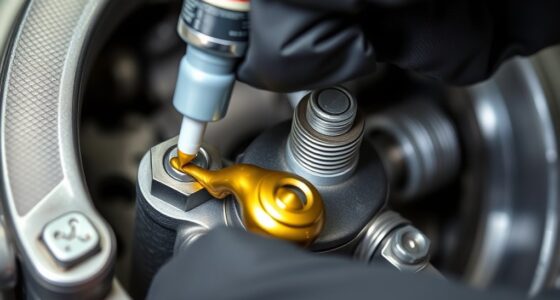
How often should you really grease a splitter? The answer depends on how frequently you use it and the conditions you operate in. Typically, you should check the manufacturer’s guidelines, but a good rule of thumb is to grease your splitter after every few uses or at least once a week if you’re using it regularly. Regular chain lubrication is vital to keep the moving parts functioning smoothly and to prevent unnecessary wear. Proper lubrication ensures the chain moves seamlessly, reducing strain on the motor and extending the life of your equipment.
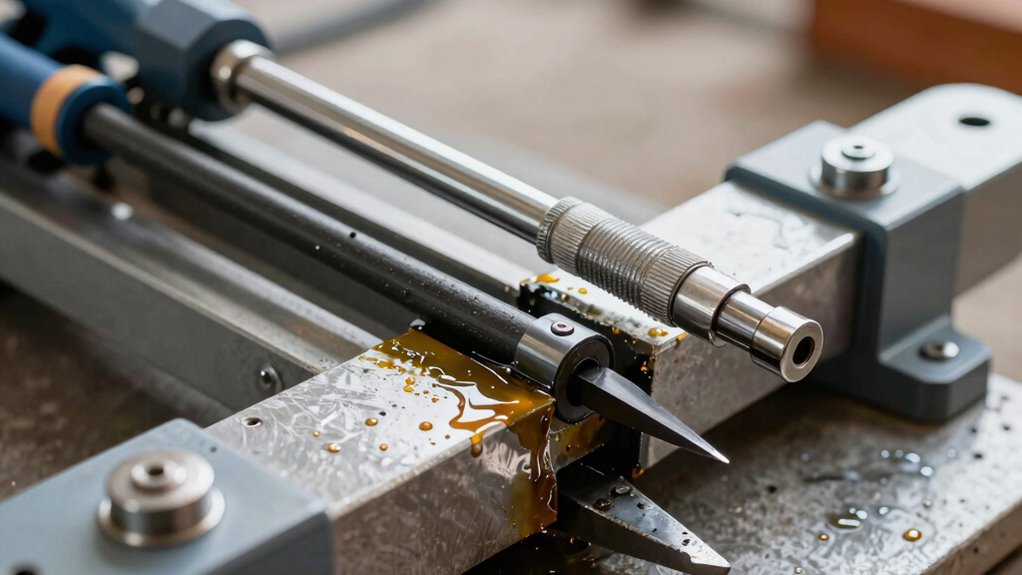
When it comes to chain lubrication, don’t just spray any oil on the chain and hope for the best. Use a high-quality, penetrating lubricant designed specifically for chains and hydraulic parts. This type of lubricant penetrates deep into the links, providing better protection against rust and corrosion. Applying lubricant properly is essential; make sure to clean the chain before applying fresh grease, removing any dirt or old grease that might hinder proper lubrication. Doing this regularly will help prevent the chain from slipping or breaking during use, which can be dangerous. Additionally, understanding lubrication best practices can optimize your maintenance routine and help you avoid common mistakes. Regular inspections can also alert you to wear and tear, helping you determine when re-lubrication is necessary. Incorporating the right lubricant types can further enhance the longevity of your equipment and ensure optimal performance.
Safety precautions are paramount when maintaining and greasing your splitter. Always turn off the machine and unplug it or disconnect the power source before performing any maintenance. Never attempt to lubricate or adjust the chain while the splitter is still engaged or running. Wear gloves to protect your hands from sharp edges and hot surfaces, and ensure you’re working in a well-ventilated area. Keep tools and lubricants away from children and pets. If you’re unsure about the type of grease or lubricant to use, consult the owner’s manual or contact the manufacturer to avoid damaging sensitive components or voiding your warranty. Regular inspections can also alert you to wear and tear, helping you determine when re-lubrication is necessary. Developing a maintenance schedule based on your usage and equipment condition can help you stay on top of your equipment’s needs.
high-quality chain lubricant for wood splitter
As an affiliate, we earn on qualifying purchases.
As an affiliate, we earn on qualifying purchases.
Frequently Asked Questions
Can I Over-Grease My Wood Splitter?
Yes, you can over-grease your wood splitter. Excess lubrication might cause oil leaks and attract dirt, leading to potential damage. Over-lubrication concerns include increased wear and mess, which can make the splitter unsafe or inefficient. To avoid this, follow the manufacturer’s guidelines for greasing frequency and amount. Applying just enough grease ensures smooth operation without risking oil leaks or over-lubrication issues.
What Type of Grease Is Best for a Splitter?
Think of your splitter’s grease as its lifeblood, keeping everything flowing smoothly. You should choose a high-quality, lithium-based or waterproof grease for best lubrication. When it comes to lubrication frequency, follow the manufacturer’s guidelines—typically every 10-20 hours of use. Proper grease selection guarantees your splitter stays resilient against wear and tear, preventing corrosion and keeping each chop clean and effortless.
How Do I Know if My Splitter Needs Lubrication?
You can tell if your splitter needs lubrication by checking for sluggish operation or unusual noises during use. Regular splitter maintenance includes monitoring the hydraulic fluid levels and inspecting for leaks. Follow a consistent lubrication schedule, typically every few hours of use, to keep parts moving smoothly. If you notice stiffness or difficulty in operation, it’s time to grease the moving components and guarantee peak performance.
Is It Necessary to Grease Hydraulic Components?
Yes, it’s necessary to grease hydraulic components to keep them functioning smoothly. Proper lubrication reduces friction and wear, preventing costly repairs. You should follow the manufacturer’s lubrication schedules and check your hydraulic fluid regularly to make certain it’s clean and at the right level. If you notice stiffness or leaks, it’s a sign you might need to grease or replace components sooner. Regular maintenance helps extend your splitter’s lifespan and keeps it operating effectively.
What Are the Signs of Insufficient Lubrication?
If your splitter’s parts squeal like a banshee or seem reluctant to move, you’re likely neglecting lubrication techniques. Insufficient lubrication leads to increased friction, overheating, and eventual breakdown. You should follow a strict maintenance schedule, regularly checking for dry or rusty components. Ignoring these signs not only risks costly repairs but also turns your workday into a frustrating saga. Stay proactive, grease properly, and keep your equipment running smoothly.
Conclusion
Remember, neglecting your splitter’s grease might lead to costly repairs, but over-greasing can cause dust buildup and inefficiency. Think of it like seasoning a well-cooked steak—you want just enough to enhance flavor without overwhelming the dish. Striking that perfect balance keeps your splitter running smoothly, like a finely tuned machine. So, stay attentive, grease wisely, and enjoy the warmth of your firewood without the worry of unnecessary wear and tear.
Fall Picks
fall essentials
As an affiliate, we earn on qualifying purchases.