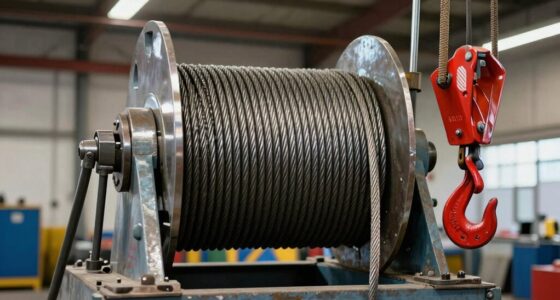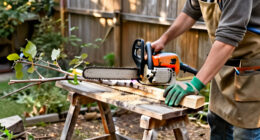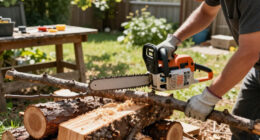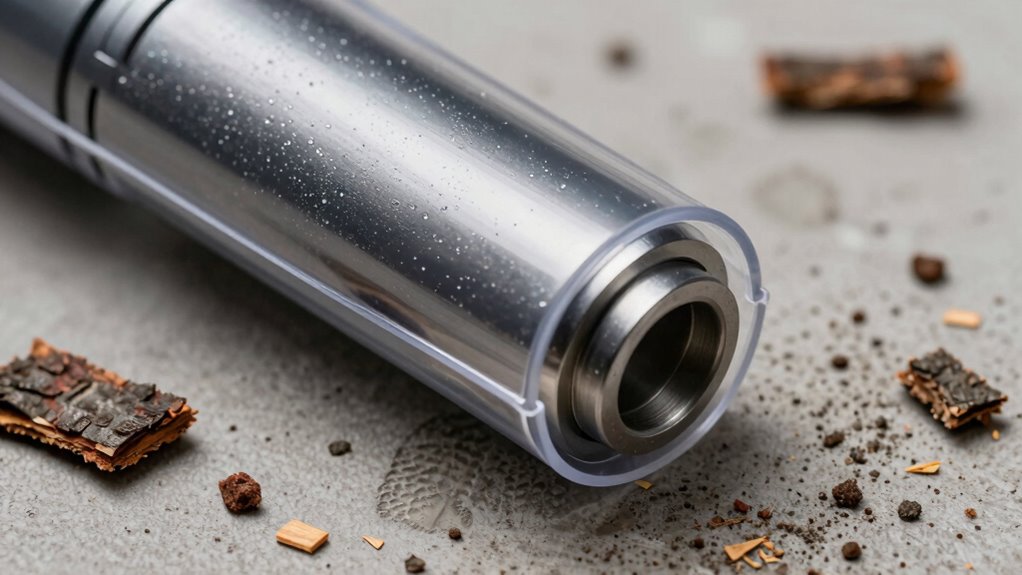
To keep mud, bark, and chips away from critical parts, regularly clean and inspect your machinery after use. Use brushes, compressed air, or damp cloths to remove debris from moving parts and tight spaces. Avoid high-pressure water on electrical components or bearings. Make sure protective covers are in place and check for blockages that can trap debris. Maintaining a routine and proper cleaning techniques helps prevent damage and keeps everything running smoothly—learn more about effective maintenance practices to protect your equipment.

Get business pricing on tools and workshop supplies
- Business-only prices and quantity discounts
- Tax-exempt purchasing
- Multiple users, one account, clear invoices
Key Takeaways
- Regularly inspect and clean machinery surfaces, focusing on areas prone to debris accumulation.
- Use brushes, compressed air, and damp cloths to remove mud, bark, and chips from critical parts.
- Install physical barriers or shields to prevent debris from reaching sensitive components.
- Schedule routine maintenance after exposure to muddy or debris-heavy environments.
- Disconnect power before cleaning and wear PPE to ensure safety during debris removal.
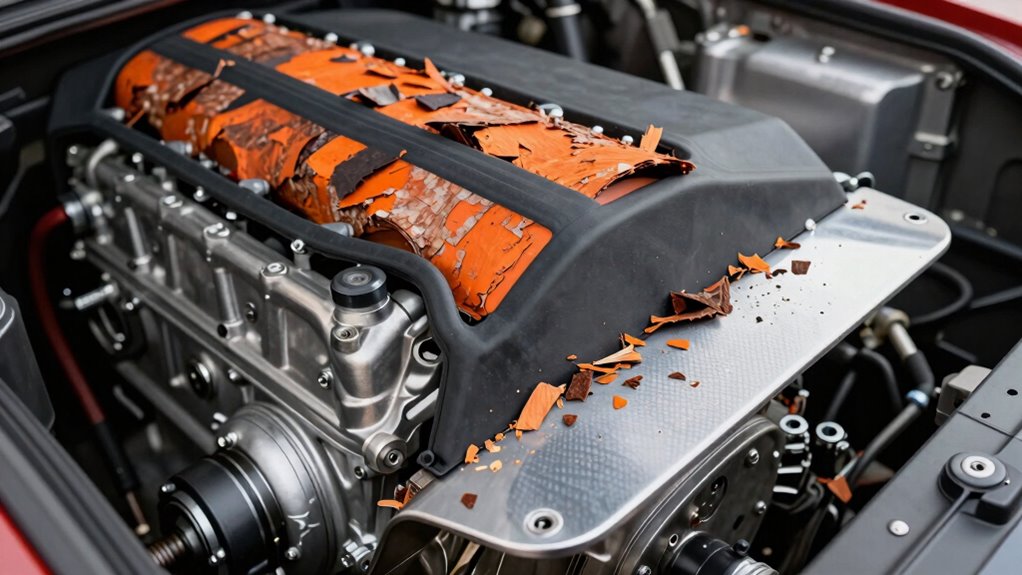
Keeping mud, bark, and chips away from critical parts of machinery is fundamental to guarantee peak performance and prevent costly damage. When debris accumulates on vital components, it can cause overheating, corrosion, or mechanical failure. To avoid these issues, you need to prioritize tools maintenance and follow strict safety precautions. Regularly inspecting and cleaning your equipment ensures that dirt doesn’t impair functionality or shorten its lifespan. Remember, neglecting simple cleaning routines can lead to unplanned downtime and expensive repairs.
Keeping debris away from machinery is key to preventing damage and ensuring optimal performance.
One of the most effective ways to keep debris at bay is to develop a routine cleaning schedule. After each use, wipe down surfaces, especially around moving parts and exposed components. Use the right tools, such as brushes, compressed air, and damp cloths, to remove stubborn debris like bark and chips lodged in tight spaces. Investing in quality tools maintenance supplies means you can keep your equipment in top shape without risking damage from inappropriate cleaning methods. For example, avoid using high-pressure water directly on electrical parts or delicate bearings, as this could cause water intrusion and corrosion. Proper maintenance prevents damage and extends the lifespan of your machinery. Additionally, understanding the types of debris that tend to accumulate can help you choose the most effective cleaning techniques and tools. Being aware of common debris patterns can also guide you in scheduling routine cleanings more efficiently. Recognizing debris accumulation patterns can further optimize your cleaning efforts and prevent buildup before it becomes problematic. Incorporating this knowledge into your maintenance routine can significantly reduce the likelihood of unexpected equipment failures.
Safety precautions are crucial when performing tools maintenance. Always disconnect machinery from power sources before cleaning or inspecting critical parts. Wear appropriate personal protective equipment—gloves, goggles, and dust masks—to prevent injury from flying debris or dust inhalation. When using compressed air, ensure you maintain a safe distance, and avoid directing high-pressure streams at yourself or others. Additionally, keep your work area organized and free of tripping hazards to prevent accidents during maintenance routines. Proper safety practices not only protect you but also help maintain the integrity of your equipment.
machinery debris removal brushes
As an affiliate, we earn on qualifying purchases.
As an affiliate, we earn on qualifying purchases.
Frequently Asked Questions
What Tools Are Best for Cleaning Critical Parts?
You should use specialized brushes to gently remove dirt and debris from critical parts without causing damage. Compressed air is excellent for blowing away loose particles in hard-to-reach areas. Together, these tools help you clean effectively, ensuring dirt, bark, and chips don’t interfere with your machinery’s performance. Always handle compressed air carefully and choose brushes suited to the specific material of your critical parts for the best results.
How Often Should Maintenance Be Performed?
You should perform maintenance regularly, ideally after each use or at least weekly, to keep critical parts free of mud, bark, and chips. Conduct routine inspections to identify buildup early and implement preventative measures, like cleaning and applying protective coatings. Consistent maintenance prevents damage, reduces downtime, and guarantees your equipment functions smoothly. Staying proactive helps preserve the integrity of critical components and extends their lifespan effectively.
Are There Protective Covers for Vulnerable Components?
Think of your machine as a fortress, and protective covers as its shields. Yes, debris barriers are available for vulnerable components, preventing mud, bark, and chips from causing damage. These covers are designed to fit precisely and are easy to install, giving you peace of mind during tough jobs. Investing in these shields reduces downtime and prolongs your equipment’s lifespan, making maintenance smoother and more effective.
Can Environmental Factors Worsen Debris Buildup?
Yes, environmental factors can worsen debris buildup. Dust accumulation can settle on surfaces, making it harder to keep components clean. Moisture infiltration, caused by rain or humidity, can lead to rust and corrosion, trapping mud, bark, and chips against critical parts. These conditions accelerate wear and damage, so it’s essential to protect sensitive areas with covers and guarantee proper sealing to minimize dust and moisture infiltration, maintaining your equipment’s longevity.
What Are Signs of Damage From Debris Accumulation?
Think of debris buildup as a creeping vine choking your machinery. Signs of damage from debris accumulation include reduced visibility of critical parts, abnormal noises, and overheating. Damage indicators might also be uneven wear, leaks, or corrosion. If you notice debris lingering around essential components, it’s a red flag that damage could be imminent. Regular inspections help catch these signs early, preventing costly repairs and keeping your equipment running smoothly.
Conclusion
Keeping mud, bark, and chips away from critical parts isn’t just about cleanliness—it’s about protecting your equipment’s longevity. For example, a landscaper kept debris off their mower’s engine by installing a simple cover, preventing costly repairs down the line. Regularly inspecting and cleaning your machinery can save you time and money. So, stay vigilant, use barriers when needed, and keep those critical parts clear—your equipment will thank you with longer, smoother performance.
Halloween Picks
halloween
As an affiliate, we earn on qualifying purchases.