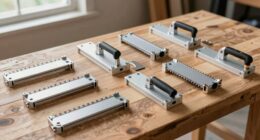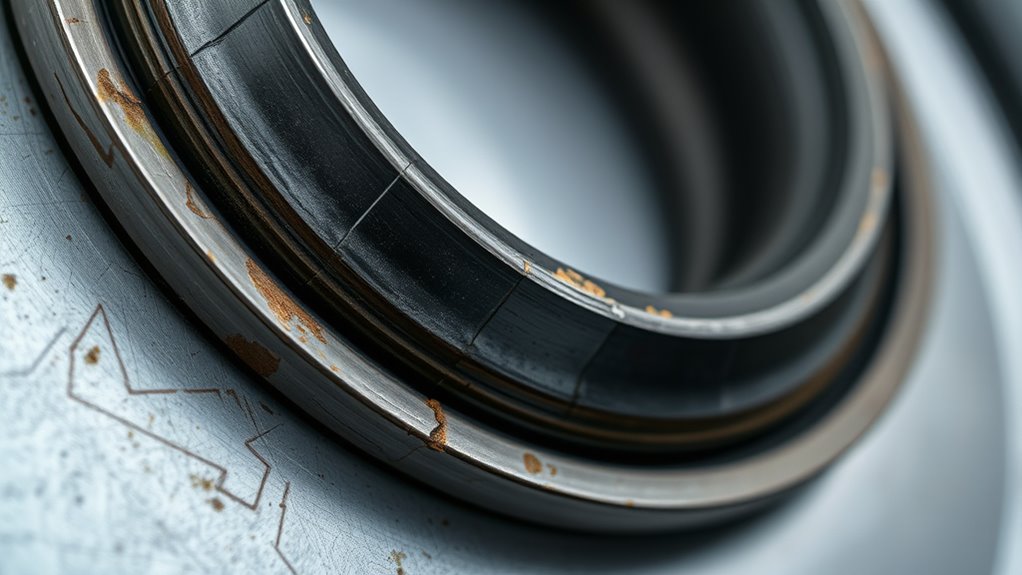

If your cylinder seal shows signs of failure, you might notice fluid leaks, loss of pressure, or inconsistent movement. Increased vibration or noise can also indicate seal wear or damage. To fix this, inspect the seal for cracks, hardening, or debris, then replace it with a compatible high-quality material. Ensuring proper installation and maintenance can prevent future issues. Keep exploring to learn more about diagnosing and preventing seal failures effectively.
Key Takeaways
- Symptoms include fluid leaks, loss of pressure, and inconsistent cylinder movement.
- Common causes are seal material incompatibility, wear, contamination, or improper installation.
- Regular inspection helps detect early signs like cracking, hardening, or seepage.
- Fix involves replacing damaged seals with correct materials and ensuring proper installation.
- Preventative measures include maintaining operational parameters, cleanliness, and routine maintenance.
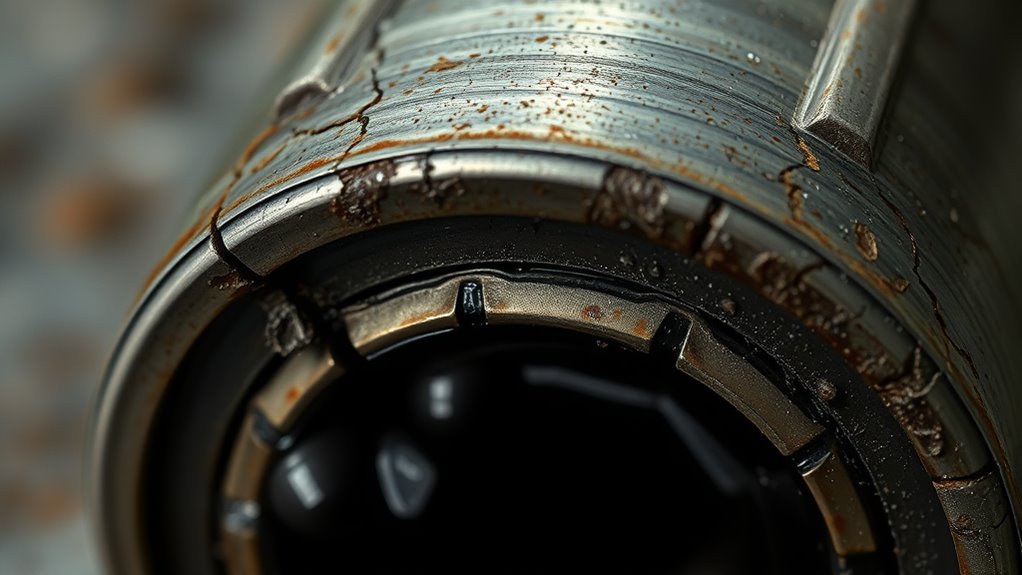
Have you ever experienced equipment downtime due to a sudden cylinder seal failure? If so, you know how frustrating it can be to halt operations unexpectedly. One of the main reasons seals fail is because of the seal material used in the cylinder. Choosing the right seal material is vital for ensuring longevity and reliable performance. Different applications require different materials, such as rubber, polyurethane, or PTFE, each with unique properties suited to specific conditions. When selecting a seal material, consider factors like temperature, pressure, and exposure to chemicals. Using incompatible materials accelerates wear and increases the risk of failure. To prevent this, failure prevention strategies start with understanding your equipment’s operational demands and matching them with the appropriate seal material. Proper material selection minimizes the risk of chemical degradation, thermal breakdown, or wear, which are common causes of seal failure. Additionally, understanding the specific material properties used in Mazda tuning components can help in choosing seals that withstand the stresses associated with performance modifications.
Choosing the right seal material is essential for durability and preventing costly equipment failure.
In addition to choosing the right seal material, implementing routine inspection and maintenance is essential for failure prevention. Regularly checking seals for signs of wear, cracking, or hardening allows you to address issues before they escalate. Early detection of damage can save you costly repairs and downtime. Also, verify that the equipment operates within the specified parameters, avoiding over-pressurization or excessive temperature fluctuations, which can quickly degrade the seal material. Proper lubrication and cleanliness are equally important, as contaminants and improper lubrication can accelerate seal deterioration.
Another vital aspect of failure prevention is proper installation. Incorrect installation can cause uneven wear or damage to the seal, leading to premature failure. Follow the manufacturer’s instructions carefully, and use the right tools to guarantee a proper fit. Training your maintenance team on correct installation practices can considerably reduce the risk of seal failure. Furthermore, selecting high-quality seals from reputable suppliers can make a big difference in overall performance. Cheap or counterfeit seals may seem cost-effective initially but often lack the durability needed to withstand operational stresses, leading to frequent failures.
Ultimately, failure prevention revolves around understanding the operational environment and making informed choices about the seal material, maintenance, and installation. When you prioritize these aspects, you can extend the lifespan of your seals, maintain consistent equipment performance, and avoid costly downtime. Investing in the right seal material and adhering to best practices for inspection, maintenance, and installation will help you stay ahead of potential failures and keep your equipment running smoothly.
Frequently Asked Questions
How Can I Prevent Cylinder Seal Failure in the First Place?
To prevent cylinder seal failure, focus on proper seal maintenance and select high-quality seals suited for your application. Regularly inspect seals for signs of wear or damage, and replace them promptly. Using seals made from durable materials reduces the risk of early failure. Maintain clean operating conditions and ensure correct installation to avoid unnecessary stress. These steps help extend seal life and keep your machinery running smoothly.
What Are the Cost Implications of Replacing a Damaged Cylinder Seal?
Coincidentally, replacing a damaged cylinder seal can be surprisingly costly, depending on the seal material and complexity of the replacement procedures. You might face expenses for parts, labor, and potential downtime. High-quality seals cost more upfront but last longer, reducing overall costs. If you neglect proper maintenance, repair costs escalate. Planning ahead and choosing the right materials help minimize these expenses, ensuring smoother operation and fewer unexpected expenses.
Are There Specific Brands Known for More Durable Cylinder Seals?
You should choose brands known for durable seals, as their reputation often reflects quality. Look for seals made from high-quality seal materials like Viton or polyurethane, which provide better resistance to wear and chemicals. Trusted brands such as Parker, SKF, or Parker Hannifin are known for their reliability and long-lasting performance. Investing in reputable brands with strong reputation and quality seal materials can save you money on replacements and downtime.
How Long Does a Typical Cylinder Seal Last Before Failure?
You can expect a typical cylinder seal to last between 1,000 and 5,000 hours of operation, depending on seal maintenance and material durability. While some seals wear out sooner under harsh conditions, proper lubrication and regular inspection can extend their lifespan. Imagine your equipment running smoothly, with minimal downtime—this relies on choosing high-quality seals and maintaining them diligently, ensuring longevity and reliable performance over time.
Can Existing Cylinder Seal Issues Cause Damage to Other System Components?
Yes, existing cylinder seal issues can cause damage to other system components. When the seal material deteriorates or fails, it often leads to leaks and system contamination, which can harm nearby parts like pistons, valves, and cylinders. Over time, this contamination and fluid leaks create extra wear and corrosion, increasing the risk of further damage and costly repairs. Addressing seal problems promptly helps prevent extensive system damage.
Conclusion
So, after all the fuss about seals, it’s ironic how a tiny crack can turn your smooth operation into a messy disaster. You fix one leak, only to find another springing up like weeds. It’s a reminder that even the smallest failure can cause the biggest headaches. Keep a close eye on those seals—you never know when a small crack might just seal your machine’s fate. Sometimes, the tiniest flaw causes the loudest failure.