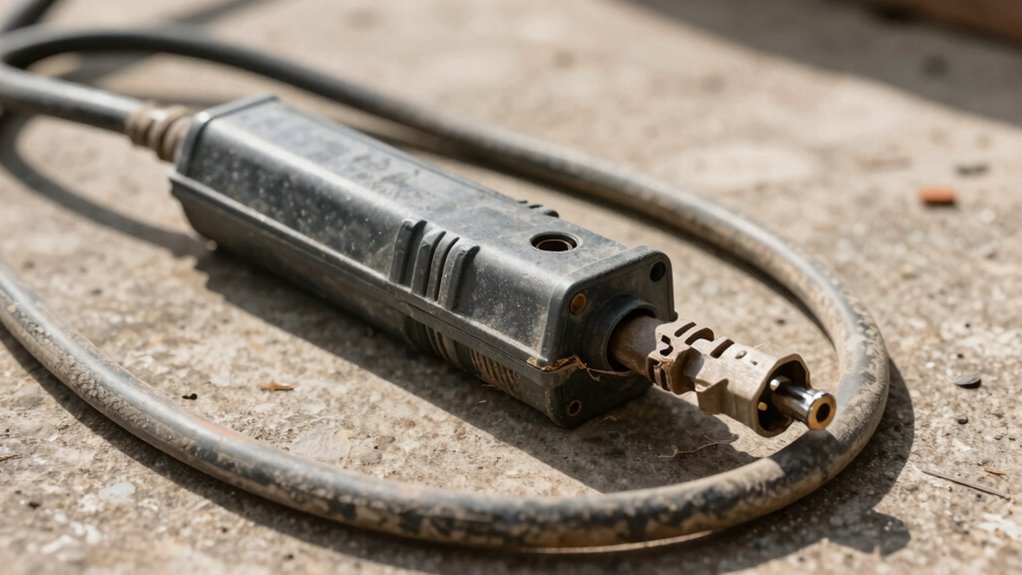

When you use long extension cords, you might notice your electric splitter losing power because extended cords increase electrical resistance. This resistance causes a voltage drop, meaning less power reaches your devices. Poor-quality or undersized cords worsen the issue, especially over longer distances. Electrical noise and fluctuations can also interrupt stable power delivery. To understand how to prevent these problems and guarantee reliable power, explore the factors affecting extension cord performance and options for better solutions.

Get business pricing on tools and workshop supplies
- Business-only prices and quantity discounts
- Tax-exempt purchasing
- Multiple users, one account, clear invoices
Key Takeaways
- Longer extension cords increase resistance, causing voltage drops that reduce power reaching the splitter.
- Inadequate gauge cords add resistance, leading to voltage loss and decreased splitter performance.
- Electrical noise and interference from poor-quality cords can disrupt stable power delivery.
- Insufficient rated extension cords can cause power fluctuations, affecting splitter operation.
- Properly rated, high-quality, and shorter cords help maintain consistent voltage and power to the splitter.
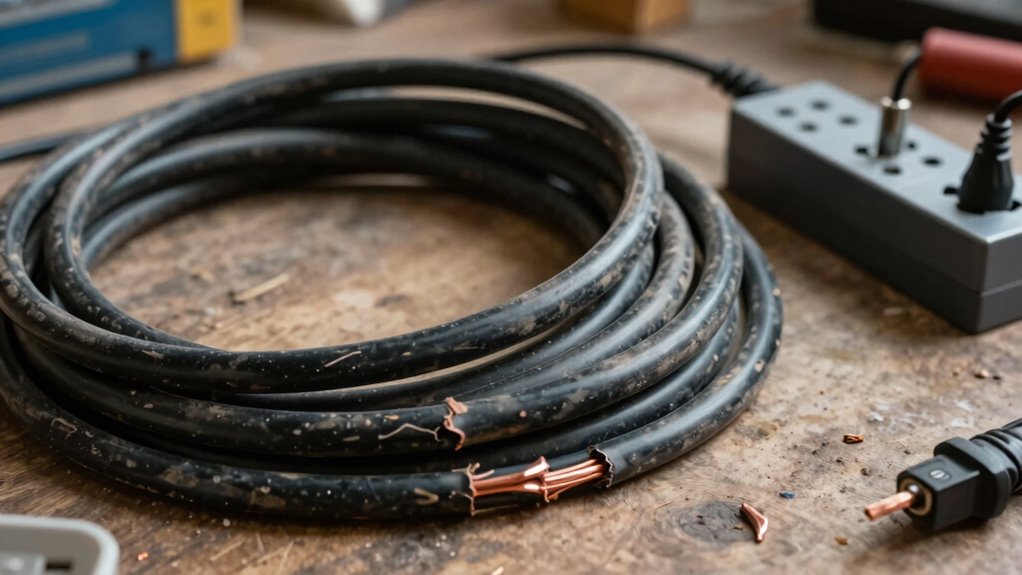
If you’ve ever noticed your electric splitter losing power when plugged into a long extension cord, you’re not alone. This common issue often comes down to voltage drop and power interference, two factors that can greatly impact your splitter’s performance. When you extend the length of your cord, the electrical resistance increases, making it harder for the necessary voltage to reach the splitter. This phenomenon, known as voltage drop, results in the appliance receiving less power, which can cause it to stall or operate inefficiently. The longer the extension cord, the more pronounced this voltage drop becomes, especially if the cord isn’t rated to handle the load. Additionally, some extension cords may introduce electrical noise, further disrupting power flow to your device. Power interference is another culprit that can diminish your splitter’s power. Extension cords, particularly those of lower quality or inadequate gauge, can introduce electrical noise or fluctuations that interfere with the consistent flow of electricity. This interference can cause your splitter to lose power temporarily or operate unpredictably. It’s akin to static disrupting a radio signal—you might notice irregularities, reduced performance, or even complete power loss. Using shielded cables and ensuring proper grounding can help reduce this interference and improve power stability. High-quality extension cords with proper shielding and thicker gauge wiring help mitigate this interference, but even then, the length of the cord plays a role in how well power is maintained. Moreover, selecting cords with appropriate gauge ratings is essential, as it directly influences the amount of voltage that can be safely and efficiently transmitted over longer distances.
heavy gauge extension cord 100ft
As an affiliate, we earn on qualifying purchases.
As an affiliate, we earn on qualifying purchases.
Frequently Asked Questions
Can Using a Thicker Extension Cord Prevent Power Loss?
Yes, using a thicker extension cord can help prevent power loss. Thicker cords have lower cable resistance, which reduces voltage drop over long distances. When resistance is lower, the electric splitter receives more consistent voltage, ensuring it operates properly. So, by choosing a heavier gauge extension cord, you minimize voltage drop and maintain better power flow, especially on longer cords, keeping your electric splitter functioning reliably.
Do Certain Electric Splitter Brands Perform Better Over Long Distances?
Some electric splitter brands perform better over long distances, but don’t expect miracles. You’ll find that top brands prioritize splitter compatibility and reliability, ensuring consistent power delivery even over extended cords. Cheaper brands might falter, causing frustrating power dips. So, choose well-known, reputable brands that emphasize durability and compatibility. With the right brand, you can conquer long extension cords without losing power, making your work smoother and more efficient—like magic, but real.
How Does Temperature Affect Power Delivery Through Extension Cords?
Temperature impacts power delivery through extension cords by causing voltage fluctuations and insulation degradation. When it’s cold, the metal wires contract, increasing resistance and reducing voltage flow to your electric splitter. Conversely, high temperatures can weaken the insulation, risking shorts or power loss. You should check your cords regularly, especially in extreme weather, and opt for high-quality, weather-resistant cords to guarantee consistent power delivery over long distances.
Are There Specific Extension Cord Gauges Recommended for Splitters?
Think of an extension cord as a sturdy bridge for electricity; for splitters, using the right gauge maintains power stability and cord durability high. For most tasks, a 14 or 12-gauge cord is recommended, especially for longer distances, to prevent voltage drops. Thicker gauges handle more current, ensuring your splitter runs smoothly without flickering or power loss. Always prioritize quality and correct gauge to protect your devices and ensure reliable performance.
What Safety Precautions Should I Take With Long Extension Cords?
You should always prioritize grounding safety when using long extension cords, ensuring the cord has proper grounding and is in good condition. Manage cords carefully to prevent tripping hazards or damage, avoiding pinched or frayed sections. Keep cords away from water and heat sources, and regularly inspect for wear. Proper cord management and grounding safety help prevent electrical shocks, short circuits, and potential fire hazards, making your setup safer and more reliable.
Conclusion
Understanding why your electric splitter loses power on long extension cords can save you frustration and hassle. Remember, it’s not just about the length of the cord but the journey of electricity itself—facing resistance, voltage drops, and the limits of your tools. When you’re aware of these, you’re not just troubleshooting; you’re empowering yourself. So, next time power wanes, think of it as a gentle reminder: sometimes, the smallest details make the biggest difference.
Columbus Day / Indigenous Peoples' Day Picks
long weekend sales
As an affiliate, we earn on qualifying purchases.