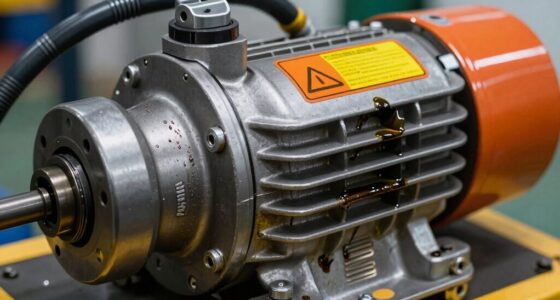
When you notice excessive vibration, start by observing the patterns and levels to identify potential sources. Common causes include unbalanced rotating parts like rotors or fans and misalignment of components. Use vibration sensors, such as accelerometers, to measure the magnitude and frequency of vibrations and help pinpoint the exact issue. Proper diagnosis involves analyzing this data and performing balancing techniques if needed. Keep exploring to learn how to effectively track and fix vibration problems.
Key Takeaways
- Use vibration sensors like accelerometers to measure vibration magnitude and identify abnormal patterns.
- Check for unbalanced components such as rotors, fans, or impellers causing uneven mass distribution.
- Analyze vibration frequency data to detect issues like misalignment or bearing wear.
- Inspect equipment visually for wobbling, looseness, or damaged parts that contribute to vibration.
- Conduct routine vibration analysis to monitor patterns and pinpoint the earliest signs of mechanical issues.
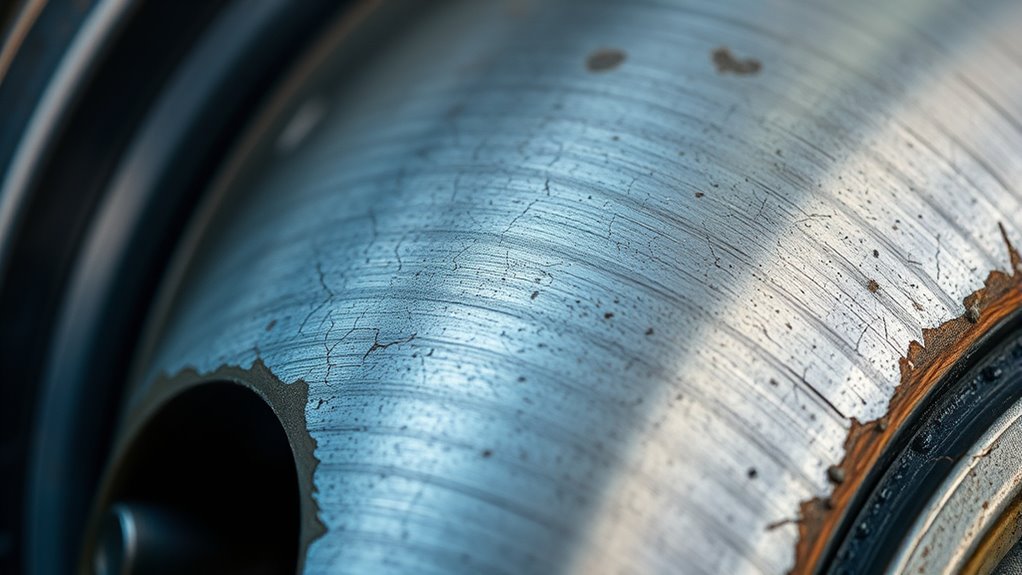
Have you ever noticed machinery or equipment shaking more than usual? That unsettling vibration can signal underlying issues that, if left unaddressed, might lead to costly repairs or even equipment failure. The first step is identifying the source of the excessive vibration. To do this effectively, you need to understand and apply proper balancing techniques and utilize vibration sensors. These tools are essential in diagnosing the problem early and preventing further damage.
Balancing techniques are fundamental because unbalanced rotating parts are among the most common causes of excessive vibration. When components like rotors, fans, or impellers are unevenly weighted, they create a wobble during operation. This wobble results in increased vibration that can wear out bearings, seals, and other components prematurely. To correct this, you must perform precise balancing, which involves adding or removing small weights to achieve even mass distribution. Using specialized equipment and following proper procedures guarantees you restore smooth operation and reduce undue stress on parts.
Unbalanced rotating parts are a leading cause of machinery vibration, risking premature wear and damage.
Vibration sensors are your eyes and ears for detecting abnormal vibrations. These devices, often accelerometers or piezoelectric sensors, measure the magnitude and frequency of vibrations in real-time. By installing vibration sensors at strategic points on your machinery, you gain valuable data that helps pinpoint the root cause of excessive shaking. For example, a spike in vibration levels at a specific frequency might suggest misalignment, imbalance, or bearing wear. Regular monitoring with vibration sensors allows you to track patterns and catch issues early before they escalate into major problems.
Once you’ve gathered data through vibration sensors, analyze the readings carefully. Look for unusual spikes or shifts in vibration patterns. Sometimes, the problem isn’t immediately obvious—what appears to be a minor imbalance could actually be a sign of bearing fatigue or misalignment. By combining the insights from vibration sensors with your knowledge of balancing techniques, you can systematically eliminate potential causes. Additionally, understanding the contrast ratio can help interpret the severity of vibration issues, as more pronounced vibrations often correlate with lower contrast ratios in imaging equipment.
Incorporating routine vibration analysis into your maintenance schedule is essential. It not only helps you catch problems early but also extends the lifespan of your equipment. Remember, the sooner you identify the source of excessive vibration, the easier and more affordable it is to fix. Whether through balancing techniques or advanced vibration sensors, taking proactive steps ensures your machinery runs smoothly, efficiently, and safely. So, next time you notice unusual shaking, don’t ignore it—invest in the right tools and methods to find and fix the source before it becomes a major issue.
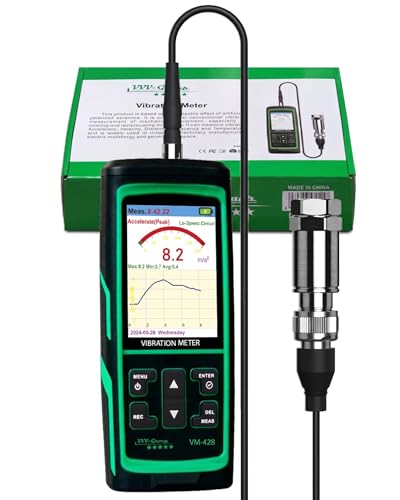
Industrial Vibration Analyzer – VM-428 with External Sensor & PC Software, Acceleration 0.1–300 m/s², Velocity 1–850 mm/s, Displacement 1–3300 µm, 30Hz–14kHz, ISO Machine Rating
- Professional Vibration Analyzer: Includes external sensor for diagnostics
- Multi-Parameter Diagnostics: Measures acceleration, velocity, displacement, frequency, temperature
- Dual Frequency Measurement: Supports structural and high-frequency vibration analysis
As an affiliate, we earn on qualifying purchases.
As an affiliate, we earn on qualifying purchases.
Frequently Asked Questions
How Can I Prevent Vibration From Recurring After Repairs?
To prevent vibration from recurring after repairs, you should implement regular maintenance scheduling and use balancing techniques to keep equipment aligned. Check and adjust components periodically, ensuring all parts are properly secured and balanced. Keep an eye on wear and tear, addressing issues early. Proper maintenance and balancing help minimize vibrations, extending equipment life and maintaining peak performance, so you avoid costly repairs down the line.
Are There Specific Tools to Measure Vibration Accurately?
Yes, you can measure vibration accurately using specialized tools like vibration sensors, which detect and record vibration levels precisely. These sensors work with various measurement techniques, such as piezoelectric or accelerometer methods, to capture detailed data. When choosing tools, consider your specific application and required accuracy. Properly calibrated vibration sensors help you identify issues early, ensuring effective maintenance and preventing recurring problems.
What Safety Precautions Should I Take During Inspection?
Safety first, so don’t cut corners during inspection. Always wear protective gear like gloves, goggles, and ear protection to shield yourself from potential hazards. Keep the work area tidy and stay alert to avoid accidents. Follow proper procedures, and never rush—think of it as playing it safe to stay safe. By prioritizing inspection safety, you make certain your well-being while accurately identifying the vibration source.
How Often Should Equipment Be Checked for Vibration Issues?
You should check your equipment for vibration issues regularly, ideally every month or as specified by manufacturer guidelines. Incorporate vibration monitoring tools to track changes over time and guarantee equipment calibration is up to date. This proactive approach helps catch early signs of imbalance or wear, preventing costly damage. Consistent inspections enable you to maintain peak performance and safety, reducing downtime and extending the lifespan of your equipment.
Can Environmental Factors Influence Vibration Levels Significantly?
Environmental factors and external interference can considerably influence vibration levels. You should be aware that nearby machinery, temperature fluctuations, and even structural changes can cause vibration readings to spike or fluctuate unexpectedly. These external factors can mask or mimic internal issues, making it essential to take environmental interference into account when diagnosing vibration problems. Regularly assess your surroundings and account for external influences to accurately identify the true source of excessive vibration.
Conclusion
By carefully diagnosing and addressing the root causes of excessive vibration, you can prevent costly repairs and guarantee ideal performance. While some might think vibration issues are minor or inevitable, ignoring them can lead to serious mechanical failures over time. Taking proactive steps not only enhances safety and efficiency but also extends your equipment’s lifespan. Remember, investing in proper maintenance now saves you from more significant expenses later—so don’t overlook the importance of resolving vibration problems promptly.