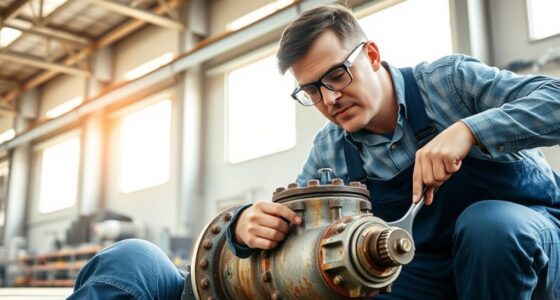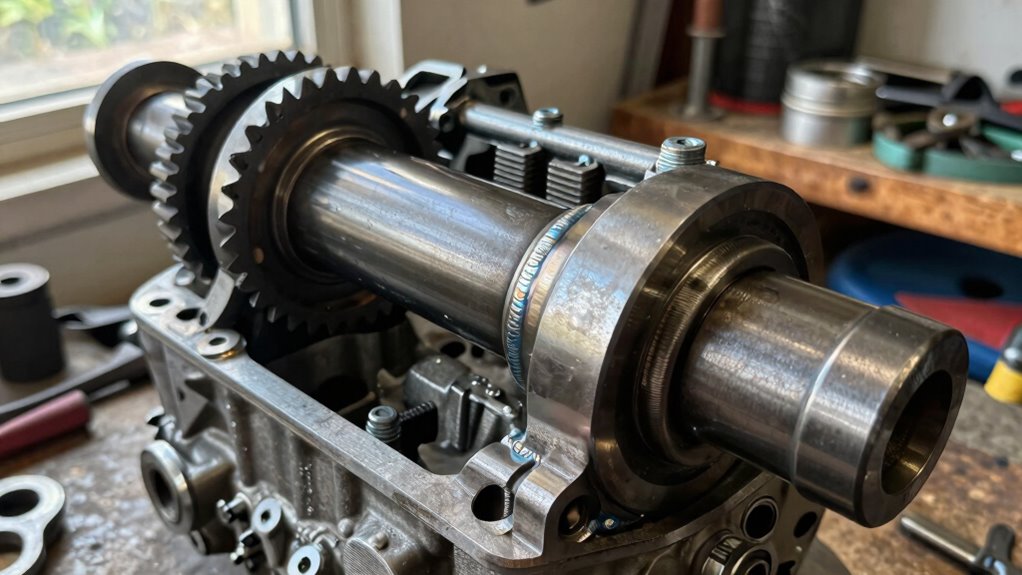

To avoid costly mistakes when replacing your splitter’s engine, you must pay close attention to shaft size, mounting points, and engine compatibility. Mismatched shaft diameters or improper mounting can lead to operational issues and damage. Always verify horsepower and engine specifications to guarantee proper fit and performance. Skipping these checks may cause overloading or underpowering, resulting in unnecessary expenses. Keep these key factors in mind, and you’ll discover how to make smarter, long-lasting engine choices.

Get business pricing on tools and workshop supplies
- Business-only prices and quantity discounts
- Tax-exempt purchasing
- Multiple users, one account, clear invoices
Key Takeaways
- Verify engine shaft diameter matches the splitter’s input shaft to ensure proper coupling and operation.
- Confirm mounting points and pattern compatibility to avoid installation issues.
- Match engine horsepower and size with the splitter’s workload to prevent overloading or underpowering.
- Use precise measurements and tools to prevent selecting an engine with incompatible shaft size.
- Consider ease of maintenance and long-term availability when choosing a replacement engine.
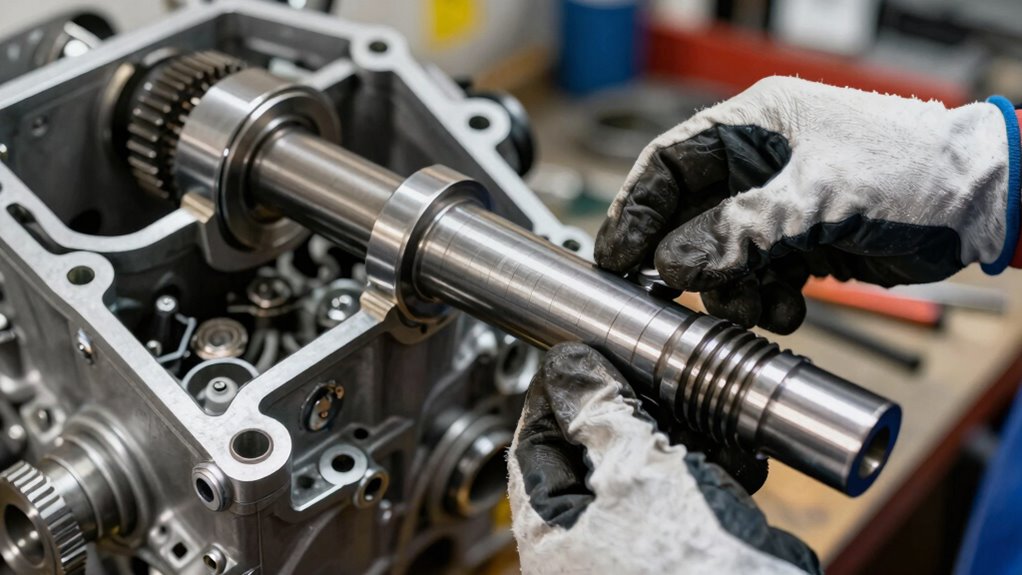
Are your splitter’s engines starting to show signs of wear or failing altogether? If so, it’s time to consider replacement engines. But before you jump into buying a new one, it’s essential to understand the importance of engine compatibility. Not all engines fit every splitter, and choosing the wrong size or type can lead to costly issues down the line. You’ll need to pay close attention to shaft sizing, mounting points, and engine specifications to guarantee a proper fit. An engine that’s incompatible can cause operational problems, reduce efficiency, or even damage your splitter’s components. So, take the time to verify the engine’s horsepower, mounting pattern, and shaft diameter. This way, you avoid the common trap of selecting an engine that looks similar but doesn’t match your machine’s requirements. Ensuring proper tools and measurements can help prevent mismatched components and save you time and money. Additionally, understanding engine specifications is crucial to making an informed choice. A thorough understanding of engine compatibility factors can further help you avoid costly mistakes during replacement. Properly assessing engine mounting points ensures a seamless installation process and long-term reliability. When selecting a replacement, also consider the optimal engine size to match your splitter’s workload and avoid overloading or underpowering the machine. Maintenance considerations also play a key role when choosing a replacement engine. When selecting a new engine, think about ease of access for routine maintenance, availability of spare parts, and overall durability. Some engines are designed for quick swaps, which can save you time and labor costs, while others might require more extensive modifications. Additionally, it’s wise to consider the fuel efficiency and emission standards of the engine. Choosing an engine with good fuel economy can save you money in the long run, especially if you use your splitter frequently. Also, look into the manufacturer’s reputation for reliability and support, as these factors can influence your overall satisfaction and the machine’s lifespan.
Another essential aspect is understanding the maintenance considerations to keep your replacement engine running smoothly. Regular oil changes, air filter replacements, and spark plug checks are critical, regardless of the engine you choose. Some engines might have features like easy-access panels or straightforward oil drain plugs, making routine upkeep less of a hassle. By selecting an engine that fits well and meets your maintenance needs, you can extend its lifespan and avoid unexpected breakdowns. Keep in mind that neglecting proper maintenance can lead to decreased performance, increased fuel consumption, and ultimately, more frequent replacements.
splitter engine replacement shaft size
As an affiliate, we earn on qualifying purchases.
As an affiliate, we earn on qualifying purchases.
Frequently Asked Questions
How Long Do Replacement Engines Typically Last?
Replacement engines typically last between 1,000 to 2,000 hours of use, depending on engine durability and maintenance. To maximize their lifespan, follow maintenance tips like regular oil changes, inspecting belts and filters, and keeping the engine clean. Proper care reduces wear and tear, ensuring your replacement engine performs efficiently for years. Always choose quality parts and stay attentive to signs of trouble to avoid premature failures.
Are Aftermarket Engines Suitable for Splitter Use?
Aftermarket engines can be suitable for splitter use if you carefully check engine compatibility and consider aftermarket considerations. You need to guarantee the engine fits your splitter’s specifications and that parts are compatible to avoid issues. While some aftermarket options are cost-effective, they might lack the durability of original equipment. Always research the brand, warranty, and reviews to make sure you’re making a reliable choice for your splitter.
What Are Common Signs an Engine Needs Replacement?
You’ll notice your engine needs replacing when it starts making unusual noises during operation, which noise diagnostics can reveal. Even if you keep up with regular engine maintenance, persistent knocking, grinding sounds, or a sudden drop in power indicate trouble. Don’t ignore these signs; they often signal internal damage or wear. Acting promptly prevents more costly repairs and guarantees your splitter runs smoothly and safely.
How Does Engine Size Affect Splitter Performance?
Engine size directly impacts your splitter’s performance by ensuring engine compatibility and optimizing fuel efficiency. A larger engine provides more power for heavy-duty tasks, making splitting faster and easier, but may consume more fuel. Conversely, a smaller engine saves fuel but might struggle with tougher materials. Selecting the right size balances power and efficiency, preventing strain or damage, and ensuring smooth, reliable operation for your specific splitting needs.
Can I Upgrade My Splitter Engine for More Power?
Yes, you can upgrade your splitter engine for more power, but it’s like fitting a bigger engine into a delicate frame—you must consider engine compatibility and fuel efficiency. A more powerful engine can boost performance, yet it might strain your splitter’s components if not matched correctly. Carefully check the specifications to verify the new engine aligns with your machine’s design, avoiding unnecessary wear and maximizing efficiency.
Conclusion
When considering replacement engines for your splitter, it’s wise to look beyond the obvious. Sometimes, the subtle nuances in shaft sizing can make all the difference, guiding you toward a smoother, more reliable performance. By paying close attention and embracing the details, you’ll find that your equipment runs like new — quietly and efficiently. A little patience with the process can lead to lasting results, ensuring your splitter continues to serve you well for years to come.
Fall Picks
fall essentials
As an affiliate, we earn on qualifying purchases.