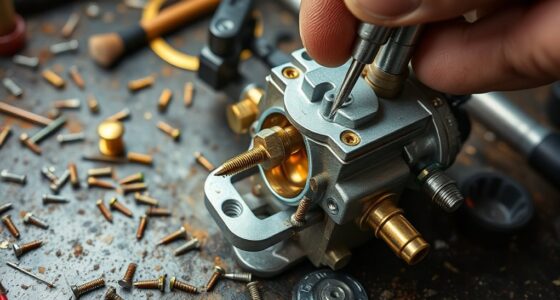
To fix slow cycle times on hydraulic splitters, start by inspecting and maintaining your system regularly. Check hydraulic seals, valves, and fluid levels, replacing worn parts promptly. Adjust hydraulic pressure and flow for ideal speed, and make certain your equipment is properly calibrated. Using quality components and following manufacturer guidelines can also improve performance. By addressing these areas, you can greatly boost cycle speed—keep exploring to learn more about effective solutions.
Key Takeaways
- Regularly inspect and replace hydraulic seals and valves to prevent leaks and ensure smooth operation.
- Adjust hydraulic fluid pressure and flow rate to optimal levels for faster cycling.
- Maintain clean hydraulic components and use high-quality, manufacturer-approved parts.
- Calibrate and set up the hydraulic system properly to ensure consistent and rapid cycle times.
- Follow manufacturer maintenance schedules and promptly address any signs of sluggish performance.
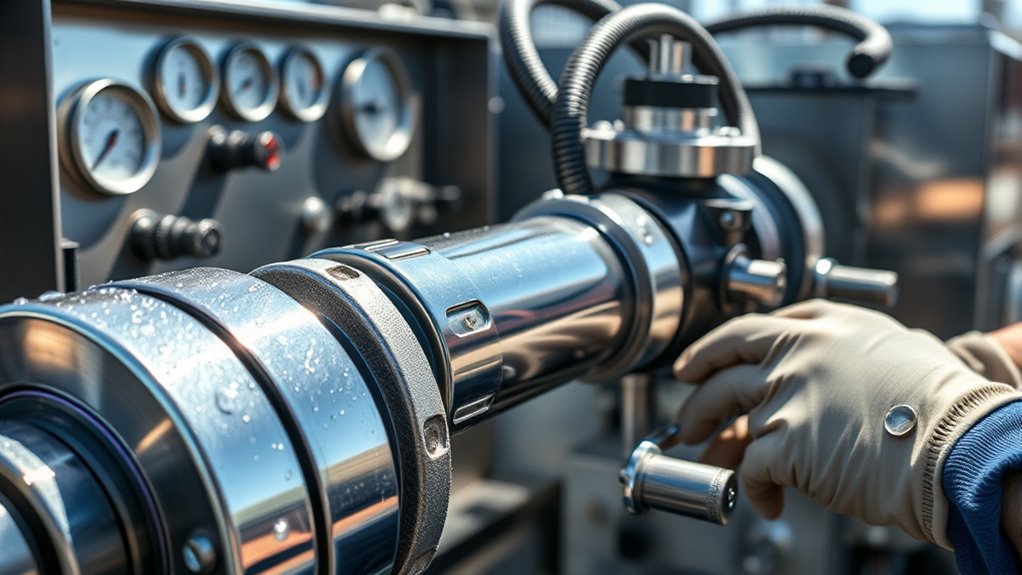
Reducing cycle times on hydraulic splitters can significantly improve productivity and efficiency in your operations. Regular maintenance, such as inspecting and replacing worn seals and valves, helps ensure smooth operation and prevents delays. Additionally, optimizing the hydraulic fluid pressure and flow rate can lead to faster cycling without compromising safety or performance. Ensuring proper equipment setup and calibration is essential for consistent and rapid cycles. Using high-quality hydraulic components and adhering to manufacturer guidelines can also prevent common issues like sluggish response or sticking parts.
Frequently Asked Questions
What Are Common Signs of Hydraulic Splitter Inefficiency?
You notice your hydraulic splitter’s efficiency drops when it takes longer to cycle or struggles with power. Signs include inconsistent hydraulic fluid flow, unusual noises, or overheating. Regular maintenance schedule checks can prevent these issues. If you see these signs, inspect hydraulic fluid levels and quality, as dirty or low fluid hampers performance. Addressing these promptly keeps your splitter running smoothly and avoids costly downtime.
How Does Hydraulic Fluid Quality Affect Cycle Times?
Hydraulic fluid quality directly impacts your splitter’s cycle times. Poor quality fluid can cause increased friction and sluggish movement, leading to delays. Regular quality control checks ensure the fluid remains clean and well-maintained, preventing contamination and viscosity issues. By maintaining ideal hydraulic fluid, you help your splitter operate smoothly and efficiently, reducing cycle times and boosting overall productivity. Keep an eye on fluid condition for best performance.
Are There Specific Maintenance Practices to Reduce Cycle Time?
To reduce cycle time, you should regularly perform hydraulic system calibration to guarantee peak performance and prevent delays. Also, keep all components well-lubricated, especially moving parts, to minimize friction and wear. Conduct routine inspections for leaks or damage, replace worn parts promptly, and maintain proper fluid levels. These practices help maintain efficient operation, minimizing downtime and speeding up cycle times effectively.
Can Operator Technique Influence Hydraulic Splitter Performance?
Yes, your operator technique can substantially influence hydraulic splitter performance. Proper operator training guarantees you understand how to control hydraulic pressure effectively, which helps optimize cycle times. By applying consistent pressure and avoiding sudden movements, you reduce strain on the system and improve efficiency. Regularly monitoring pressure gauges and following best practices allows you to operate the splitter smoothly, ultimately decreasing cycle times and enhancing overall productivity.
What Safety Precautions Should Be Taken During Maintenance?
During maintenance, you should always wear personal protective equipment like gloves, safety glasses, and steel-toed boots to prevent injuries. Follow lockout/tagout procedures to make certain the hydraulic system is completely shut off and cannot be accidentally activated. Verify the system is depressurized before starting work. These precautions protect you from unexpected movements, electrical hazards, and fluid leaks, keeping you safe throughout the maintenance process.
Conclusion
Now that you’ve uncovered the secrets to speeding up your hydraulic splitter’s cycle times, the real test begins. Will these adjustments push your equipment to its limit? Or will unforeseen issues still hold you back? Stay vigilant and keep experimenting—you never know when the breakthrough will come. One small tweak could transform your entire operation. Are you ready to unleash the full potential of your hydraulic splitter? The next move is yours.