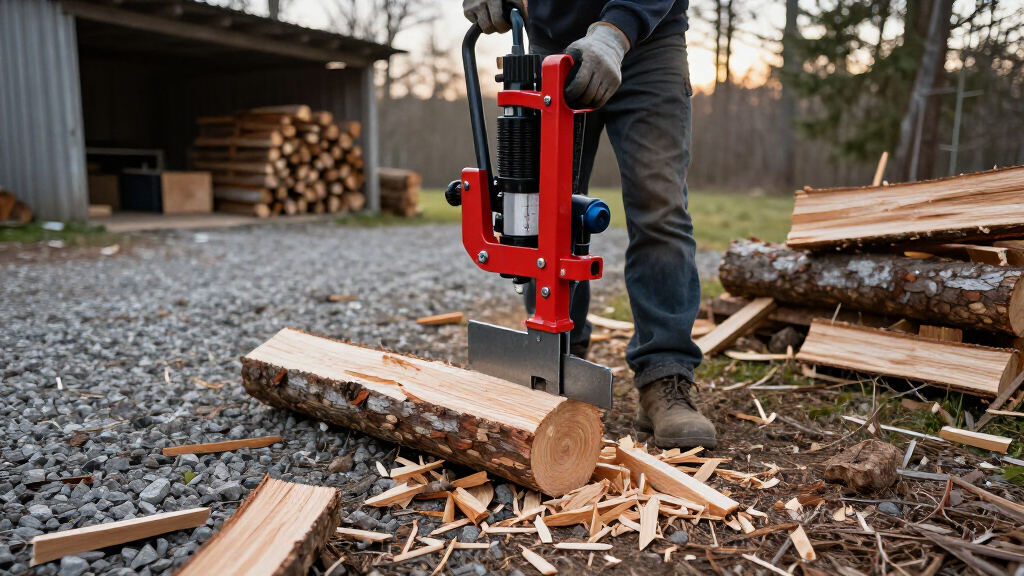
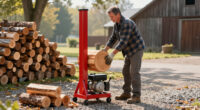
Among these vertical gas log splitters, the BILT HARD 30-Ton Full Beam is my best overall pick because it combines vertical and horizontal operation with substantial splitting force. For tougher, heavier workloads, the BILT HARD 40-Ton stands out for its higher capacity, while the 35-Ton model with a hydraulic log lift adds help with handling heavy rounds. The main tradeoffs are splitting force versus portability, and extra lifting or multi-way wedge features versus added complexity. Smaller 18- to 25-ton models can suit lighter workloads, but they are not interchangeable with full-size vertical machines. Read on for the full comparison, buying guidance, and picks by buyer type.

Get business pricing on tools and workshop supplies
- Business-only prices and quantity discounts
- Tax-exempt purchasing
- Multiple users, one account, clear invoices
Complete the kit



Key Takeaways
- The BILT HARD 30-Ton Full Beam leads the roundup for buyers who want a clear balance of high splitting force and both horizontal and vertical operation.
- The 40-ton BILT HARD model is the force-first option, while the 35-ton splitter with a hydraulic log lift targets buyers who need help handling heavy rounds.
- The YARDMAX 36-ton model pairs substantial capacity with a Briggs & Stratton CR950 engine, giving buyers an engine-specific alternative to the BILT HARD heavy-duty picks.
- Portable 20- and 25-ton machines, including the SuperHandy and Landworks, are easier to match to lighter-duty and mobile use, but offer less splitting force than the large-frame models.
- Several compact or lower-tonnage entries are horizontal-only, including the Champion 8-ton model, so a vertical requirement should be checked against the exact configuration before choosing.
| BILT HARD 30-Ton Full Beam Gas Hydraulic Log Splitter, Horizontal/Vertical, 223cc OHV Engine |  | Best Overall | Splitting force: 30 tons | Engine: 7.5 HP, 223cc single-cylinder OHV | Maximum log length: 24 inches | VIEW LATEST PRICE | See Our Full Breakdown |
| BILT HARD 40-Ton Gas-Powered Log Splitter, Horizontal and Vertical |  | Best for Demanding Hardwood | Splitting force: 40 tons | Engine: 389cc, 13 HP single-cylinder OHV | Maximum log length: 24 inches | VIEW LATEST PRICE | See Our Full Breakdown |
| SuperHandy 25-Ton Portable Gas Log Splitter with 7 HP Engine |  | Best Compact Option | Splitting force: 25 tons | Engine: 7 HP AlphaWorks | Hydraulic pump: Two-stage Bucher gear pump | VIEW LATEST PRICE | See Our Full Breakdown |
| BILT HARD 27-Ton Towable Gas-Powered Log Splitter |  | Best Ready-to-Use Towable Pick | Splitting force: 27 tons in title; description also states 25 tons | Engine: 7 HP, 209cc OHV | Hydraulic pump: Two-stage, 11 GPM | VIEW LATEST PRICE | See Our Full Breakdown |
| 35 Ton 306cc Gas Log Splitter with 4-Way & 6-Way Wedges and Hydraulic Log Lift |  | Best for High-Volume, Low-Lift Splitting | Splitting force: 35 tons | Engine: 306cc gas | Beam design: Box-shape | VIEW LATEST PRICE | See Our Full Breakdown |
| YARDMAX 36-Ton 2-Way Gas Log Splitter with Briggs & Stratton CR950 Engine |  | Best for Fast, Two-Sided Processing | Splitting force: 36 tons | Engine: Briggs & Stratton CR950, 208 cc | Engine power: 6.5 HP | VIEW LATEST PRICE | See Our Full Breakdown |
| 20 Ton Portable Gas Log Splitter with 7HP Engine |  | Best for Remote Worksites | Splitting force: 20 tons | Engine: 7 HP, 4-stroke gas motor | Maximum splitting size: 21 x 16.5 inches | VIEW LATEST PRICE | See Our Full Breakdown |
| BILT HARD 18-Ton Gas Log Splitter, 7 HP 209cc |  | Best for Lighter Transport | Splitting force: 18 tons | Engine: 7 HP, 209 cc OHV | Engine torque: 9.6 ft-lb | VIEW LATEST PRICE | See Our Full Breakdown |
| BILT HARD 35-Ton Gas-Powered Horizontal/Vertical Log Splitter |  | Best for Heavy Rounds | Splitting force: 35 tons | Engine: 301 cc, 10 HP single-cylinder OHV | Operating positions: Horizontal and vertical | VIEW LATEST PRICE | See Our Full Breakdown |
| 20-Ton Gas Log Splitter with 209cc Full Boar Engine |  | Best Compact Pick | Splitting force: 20 tons | Engine: 209 cc Full Boar, EPA-certified | Pump: 10.5 GPM two-stage | VIEW LATEST PRICE | See Our Full Breakdown |
| Champion Power Equipment 8-Ton Compact Horizontal Gas Log Splitter with Auto Return |  | Best Compact Pick | Splitting force: 8 tons | Engine: 79cc | Orientation: Horizontal | VIEW LATEST PRICE | See Our Full Breakdown |
| Landworks Portable 20-Ton Gas Log Splitter with 7 HP Engine and Rapid Auto Return |  | Best for Fast, Heavy-Duty Horizontal Work | Splitting force: 20 tons | Engine: 7 HP gas | Hydraulic pump: 2-stage Bucher hydraulic gear pump | VIEW LATEST PRICE | See Our Full Breakdown |
| 33-Ton Log Splitter with 223cc Full Boar Engine |  | Best for High Splitting Force | Splitting force: 33 tons | Engine: 223cc Full Boar OHV | Cycle time: 14.3 seconds | VIEW LATEST PRICE | See Our Full Breakdown |
| Ezasin 20 Ton Gas Log Splitter, 209CC 7HP Hydraulic Wood Splitter with 8s Cycle |  | Best for Known Log Capacity | Splitting force: 20 tons | Engine: 209cc, 7 HP gas | Cycle time: 8 seconds | VIEW LATEST PRICE | See Our Full Breakdown |
| 20-Ton Gas Log Splitter, 209cc 7 HP Hydraulic Wood Splitter |  | Best for Portable 20-Ton Capacity | Splitting force: 20 tons | Engine: 209cc, 7 HP, 4-stroke | Maximum log length: 20 inches | VIEW LATEST PRICE | See Our Full Breakdown |
| vertical gas log splitter | Splitting force | Engine | Cycle time | Maximum log length |
|---|---|---|---|---|
| BILT HARD 30-Ton Full Beam Gas | 30 tons | 7.5 HP, 223cc single-cylinder OHV | 11 seconds | 24 inches |
| BILT HARD 40-Ton Gas-Powered L | 40 tons | 389cc, 13 HP single-cylinder OHV | 16 seconds | 24 inches |
| SuperHandy 25-Ton Portable Gas | 25 tons | 7 HP AlphaWorks | 12 seconds | 20 inches |
| BILT HARD 27-Ton Towable Gas-P | 27 tons in title; description also states 25 tons | 7 HP, 209cc OHV | 13 seconds | 24 inches |
| 35 Ton 306cc Gas Log Splitter | 35 tons | 306cc gas | — | — |
| YARDMAX 36-Ton 2-Way Gas Log S | 36 tons | Briggs & Stratton CR950, 208 cc | — | 26 inches |
| 20 Ton Portable Gas Log Splitt | 20 tons | 7 HP, 4-stroke gas motor | 8 seconds | — |
| BILT HARD 18-Ton Gas Log Split | 18 tons | 7 HP, 209 cc OHV | 7.5 seconds | 20 inches |
| BILT HARD 35-Ton Gas-Powered H | 35 tons | 301 cc, 10 HP single-cylinder OHV | 16 seconds | 24 inches |
| 20-Ton Gas Log Splitter with 2 | 20 tons | 209 cc Full Boar, EPA-certified | 8.5 seconds | — |
| Champion Power Equipment 8-Ton | 8 tons | 79cc | 20 seconds | — |
| Landworks Portable 20-Ton Gas | 20 tons | 7 HP gas | 7.5 seconds | 20 inches |
| 33-Ton Log Splitter with 223cc | 33 tons | 223cc Full Boar OHV | 14.3 seconds | — |
| Ezasin 20 Ton Gas Log Splitter | 20 tons | 209cc, 7 HP gas | 8 seconds | 20.5 inches |
| 20-Ton Gas Log Splitter | 20 tons | 209cc, 7 HP, 4-stroke | 8 seconds | 20 inches |
More Details on Our Top Picks
BILT HARD 30-Ton Full Beam Gas Hydraulic Log Splitter, Horizontal/Vertical, 223cc OHV Engine
The 30-ton force, 11-second cycle and horizontal-to-vertical conversion make this the most balanced choice here for regular firewood work. Its 24-inch log capacity matches the larger BILT HARD 40-Ton, while the quicker stated cycle favors keeping a steady pace on mixed loads. Vertical mode also lets you roll heavy rounds into place instead of lifting them onto the beam. The tradeoff is substantial: at 533 pounds, this full-beam splitter is a towing job, not a machine to move by hand. The SuperHandy 25-Ton is far easier to maneuver, but gives up splitting force and log length. Choose this BILT HARD when you want strong capacity and speed in a towable setup and have room and equipment to move it.
Pros:- 30-ton splitting force for demanding hardwood loads
- Vertical mode reduces the need to lift heavy rounds
- 11-second cycle is quicker than the listed 40-ton BILT HARD model
- DOT tires and a 2-inch ball coupler support ATV or UTV towing
Cons:- At 533 pounds, it requires towing equipment for practical transport
- Assembly is required
Best for: Firewood users who regularly split hardwood rounds up to 24 inches and can tow a heavy machine to the work area
Not ideal for: Occasional users who need to move a splitter by hand or store it in a small shed
- Splitting force:30 tons
- Engine:7.5 HP, 223cc single-cylinder OHV
- Maximum log length:24 inches
- Cycle time:11 seconds
- Hydraulic flow:14 GPM
- Hydraulic oil capacity:6 gallons
- Operating modes:Horizontal and vertical
- Item weight:533 pounds
Our verdict“Pick this for a capable, relatively quick vertical-capable splitter if you can accommodate its 533-pound weight.”
BILT HARD 40-Ton Gas-Powered Log Splitter, Horizontal and Vertical
When stubborn hardwood is the main challenge, the 40-ton rating gives this BILT HARD the strongest stated splitting force among these five. Its 389cc, 13 HP engine and 24-inch log capacity are aimed at large, difficult rounds, while vertical operation avoids lifting those rounds onto the beam. That extra force comes with a slower 16-second cycle: compared with the 30-ton BILT HARD, it trades pace for more splitting headroom. The SuperHandy 25-Ton is lighter and easier to handle, but its smaller force rating and 20-inch log limit make it a different fit. This model makes sense for tough loads and planned tow-to-site work; fuel, routine engine care and its unusual listed 76-pound weight deserve attention before buying.
Pros:- 40-ton splitting force provides the highest stated capacity in this group
- 13 HP, 389cc engine is suited to demanding loads
- Vertical mode reduces lifting for heavy logs
- 24-inch log capacity and towable setup support work away from the home
Cons:- 16-second cycle is slower than the 30-ton BILT HARD’s listed cycle
- Gas engine requires fuel and routine maintenance
- The listed 76-pound item weight may not reflect easy real-world handling
Best for: Woodlot owners who routinely split large, knotty hardwood rounds and can move a gas-powered machine to the work site
Not ideal for: Buyers prioritizing compact storage, quick cycles, or a clearly documented transport weight
- Splitting force:40 tons
- Engine:389cc, 13 HP single-cylinder OHV
- Maximum log length:24 inches
- Cycle time:16 seconds
- Hydraulic flow:14 GPM
- Hydraulic oil capacity:7 gallons
- Operating modes:Horizontal and vertical
- Listed item weight:76 pounds
Our verdict“Choose this when splitting force for difficult hardwood matters more than cycle speed or easy handling.”
SuperHandy 25-Ton Portable Gas Log Splitter with 7 HP Engine
The SuperHandy is the easiest of these five to move around a property, with a 90-pound weight, 10-inch polyurethane wheels and a folding handle. Its 25-ton force and 12-second cycle offer useful output for a portable machine, and the listed 20-inch log length suits smaller rounds than the 24-inch BILT HARD models accept. Vertical operation helps when a round is too heavy to lift, though its half-beam format and lower force rating are less suited to repeated, oversized hardwood work than the 30-ton full-beam BILT HARD. The main setup catch is that hydraulic fluid is not included; AW32 is recommended, so the splitter is not ready to run straight from the box. This fits buyers who value maneuverability and can work within its smaller log capacity.
Pros:- 90-pound listed weight and folding handle aid portability
- 25-ton force and 12-second cycle suit routine smaller-round work
- Vertical operation can reduce lifting of heavy rounds
- Two-stage Bucher hydraulic gear pump
Cons:- Maximum log length is 20 inches, shorter than the BILT HARD models’ 24-inch capacity
- Hydraulic fluid is not included
- Lower force rating offers less headroom for difficult hardwood than the 30- and 40-ton options
Best for: Property owners who need to roll a splitter between storage and nearby work areas and mostly split logs no longer than 20 inches
Not ideal for: Buyers handling frequent oversized hardwood rounds or wanting a machine supplied with hydraulic fluid
- Splitting force:25 tons
- Engine:7 HP AlphaWorks
- Hydraulic pump:Two-stage Bucher gear pump
- Maximum log length:20 inches
- Maximum log diameter:24 inches
- Cycle time:12 seconds
- Weight:90 pounds
- Hydraulic fluid:Not included; AW32 recommended
Our verdict“Pick the SuperHandy for portability and moderate logs, provided you are comfortable supplying the recommended hydraulic fluid.”
BILT HARD 27-Ton Towable Gas-Powered Log Splitter
This BILT HARD pairs horizontal and vertical modes with a 24-inch log limit, DOT-approved tires and a 2-inch ball coupler, covering the core needs of a splitter that travels between work areas. Its 13-second cycle sits between the faster 30-ton BILT HARD and the slower 40-ton model, while the included hydraulic and engine oil reduce the number of fluids to source before setup. There is a meaningful data caveat: the title says 27 tons, but the description also says 25 tons, so I would not rank its force above the clearly specified 25-ton SuperHandy with confidence. It also has a 7-inch wedge, narrower than the 8-inch wedges on the other BILT HARD models here. This is a practical towable choice, but buyers should resolve the force discrepancy before deciding based on capacity.
Pros:- Switches between horizontal and vertical operation
- Handles logs up to 24 inches long
- 2-inch ball coupler and DOT-approved tires support towing
- Hydraulic and engine oil are included
Cons:- Splitting force is inconsistent in the product data: 27 tons in the title and 25 tons in the description
- 7-inch wedge is narrower than the 8-inch wedges on both other BILT HARD models here
- Assembly is required
Best for: Rural users who need a towable horizontal/vertical splitter for logs up to 24 inches and value included fluids
Not ideal for: Buyers choosing solely by splitting-force rating or who need confidence in an exact capacity specification
- Splitting force:27 tons in title; description also states 25 tons
- Engine:7 HP, 209cc OHV
- Hydraulic pump:Two-stage, 11 GPM
- Maximum log length:24 inches
- Cycle time:13 seconds
- Wedge:7-inch hardened steel
- Hydraulic oil reservoir:6 gallons
- Included:Hydraulic oil and engine oil
Our verdict“Consider this for towable 24-inch log capacity and included fluids, but verify the conflicting force rating first.”
35 Ton 306cc Gas Log Splitter with 4-Way & 6-Way Wedges and Hydraulic Log Lift
The standout here is its hydraulic log lift, which can raise rounds up to 700 pounds and doubles as a work table. That feature changes the job more than a modest difference in tonnage: it can reduce repeated heavy lifting during long sessions. The tool-free 2-way, 4-way and 6-way wedges also let operators choose between a simple split and faster processing into smaller pieces. At 35 tons, it sits below the BILT HARD 40-Ton on stated force, but offers more processing flexibility than that model’s listed 8-inch wedge. The tradeoff is a large, heavy-duty setup with no dimensions or weight supplied here, so storage and transport needs are harder to judge. Choose this for sustained work and reduced lifting; the simpler BILT HARD 30-Ton is easier to assess as a conventional towable option.
Pros:- Hydraulic log lift raises rounds up to 700 pounds
- Lift doubles as a work table
- Tool-free changes among 2-way, 4-way and 6-way wedges
- Hydraulic wedge adjustment spans 3.55 inches for positioning
Cons:- Heavy-duty size may require substantial storage space
- Listed 35-ton force is below the BILT HARD 40-Ton
- Product data does not provide dimensions or item weight for transport planning
Best for: High-volume firewood processors who handle very heavy rounds and want to reduce lifting and repeated wedge changes
Not ideal for: Buyers with limited storage, a need for detailed transport specifications, or a preference for a simpler splitter setup
- Splitting force:35 tons
- Engine:306cc gas
- Beam design:Box-shape
- Wedge options:2-way, 4-way and 6-way; tool-free switching
- Hydraulic wedge adjustment:3.55 inches
- Log lift capacity:700 pounds
Our verdict“Choose this for high-volume processing where its log lift and interchangeable wedges matter more than compact storage.”
YARDMAX 36-Ton 2-Way Gas Log Splitter with Briggs & Stratton CR950 Engine
The YARDMAX earns its place among vertical gas log splitters for buyers who value two-sided loading and a substantial 36 tons of force. Its half-beam layout lets the operator work from either side, which can keep a splitting session moving when processing a large pile. The 26-inch log capacity also exceeds the 24-inch limit of the BILT HARD 35-Ton Horizontal/Vertical Log Splitter. Its adjustable cradles and log stripper help keep rounds supported and clear split wood from the wedge.
The tradeoff is its 515-pound weight and lack of a stated vertical operating position, so it is less suited to handling very heavy rounds without lifting. Unlike the BILT HARD 35-ton, it is not described as switchable between horizontal and vertical modes. I’d choose this for high-volume work with manageable log sizes, not for a buyer whose main need is vertical splitting.
Pros:- Two-sided operation supports loading and splitting from either side
- 26-inch maximum log length exceeds the 24-inch limit of the BILT HARD 35-ton
- 36 tons of force suits demanding splitting jobs
- Adjustable log cradles and a log stripper support and clear rounds
Cons:- At 515 pounds, it is difficult to move by hand
- No vertical operating mode is listed, limiting its fit for heavy rounds
- Gas engine requires fuel and ongoing maintenance
Best for: Woodlot owners processing long rounds from either side who can manage logs at the splitter’s working height
Not ideal for: Buyers who need vertical operation for heavy rounds or a lighter machine that is easier to reposition
- Splitting force:36 tons
- Engine:Briggs & Stratton CR950, 208 cc
- Engine power:6.5 HP
- Operation:Two-way, dual-side loading
- Maximum log length:26 inches
- Weight:515 pounds
- Dimensions:91.5 x 47.5 x 37 inches
- Model:YS3665
Our verdict“Choose the YARDMAX for two-sided processing and long logs if vertical splitting is not a requirement.”
20 Ton Portable Gas Log Splitter with 7HP Engine
For buyers splitting wood where there is no outlet, this model’s main advantage is straightforward: a 7 HP gas motor, 10-inch tires, and foldable handle make it portable between work areas. Its 20-ton force and stated 21-by-16.5-inch capacity fit moderate rounds, while the 8-second auto-return cycle is designed to reduce downtime between strokes. Compared with the compact, non-towable 20-Ton Gas Log Splitter with 209cc Full Boar Engine, this model emphasizes a foldable handle and lists its log capacity directly.
That portability does not make it a vertical splitter. Its horizontal full-beam orientation can make large, heavy rounds awkward to position, and its 20 tons sit well below the BILT HARD 35-Ton Horizontal/Vertical model for tougher stock. Buyers must also fill the engine and hydraulic systems before use. I’d put it on the shortlist for mobile, moderate-volume work, but not for rounds that need vertical loading.
Pros:- Gas operation allows use at remote sites without electricity
- 10-inch tires and foldable handle support transport
- 8-second auto-return cycle is suited to repeated splitting
- Lists capacity for logs up to 21 inches long and 16.5 inches across
Cons:- Horizontal-only operation makes large rounds harder to position
- Engine oil, fuel, and hydraulic fluid require manual filling before operation
- 20-ton force is below the 35-ton BILT HARD option for demanding rounds
Best for: Property owners who split moderate-sized logs at several outdoor locations without access to electricity
Not ideal for: Buyers handling very heavy rounds who need vertical operation or more than 20 tons of force
- Splitting force:20 tons
- Engine:7 HP, 4-stroke gas motor
- Maximum splitting size:21 x 16.5 inches
- Cycle time:8 seconds
- Orientation:Horizontal full beam
- Pump:Dual-gear hydraulic pump
- Tires:10 inches
- Hydraulic oil capacity:1.6 gallons
Our verdict“Pick this portable splitter for moderate logs at remote sites, provided horizontal-only operation suits your work.”
BILT HARD 18-Ton Gas Log Splitter, 7 HP 209cc
At 146 pounds, this BILT HARD is the lightest clearly documented option in this batch, making it easier to reposition than the 515-pound YARDMAX or 640-pound BILT HARD 35-ton. Its 18-ton force, 20-inch log length limit, and 16-inch diameter limit define a more modest workload, while a 7.5-second cycle supports a steady pace on suitable rounds. Gas power frees it from outlet access, and its 10-inch tires aid movement across a yard.
The lighter build comes with less capacity than the 20-ton portable model, and it lacks the vertical mode offered by the BILT HARD 35-ton. Its weight and transport features make it easier to move, but do not erase the practical limits of loading logs horizontally. Hydraulic fluid and engine oil are not included, so the buyer needs to prepare those supplies. This makes sense for homeowners with manageable rounds, not for a heavy-duty vertical-splitting workload.
Pros:- 146-pound item weight is substantially below the two heavy-duty models in this batch
- 7.5-second cycle time supports repeated splitting
- Handles logs up to 20 inches long and 16 inches in diameter
- Gas powered and fitted with 10-inch tires for yard use
Cons:- 18-ton force is lower than the 20-ton portable model and the heavier options
- Horizontal operation is less suited to loading heavy rounds
- Hydraulic fluid and engine oil are not included
Best for: Homeowners who split logs up to 20 inches long and want a comparatively light gas splitter to reposition around their property
Not ideal for: Operators who need vertical handling, greater splitting force, or capacity for logs longer than 20 inches
- Splitting force:18 tons
- Engine:7 HP, 209 cc OHV
- Engine torque:9.6 ft-lb
- Hydraulic flow:10.5 GPM
- Cycle time:7.5 seconds
- Maximum log length:20 inches
- Maximum log diameter:16 inches
- Item weight:146 pounds
Our verdict“Choose this BILT HARD for lighter, manageable rounds when moving the splitter matters more than vertical capability or maximum force.”
BILT HARD 35-Ton Gas-Powered Horizontal/Vertical Log Splitter
This is the clearest fit in the batch for buyers who need a true horizontal-to-vertical conversion. The 35-ton force and 24-inch log limit put it in the heavy-work class, while vertical operation lets the operator roll a substantial round into place instead of lifting it onto a beam. That makes it more practical for heavy logs than the YARDMAX 36-ton, which has more listed force and a 26-inch length capacity but no stated vertical mode.
There is a real pace and mobility cost: its 16-second cycle is slower than the smaller BILT HARD 18-ton’s 7.5 seconds, and the 640-pound weight makes casual repositioning unrealistic. DOT-certified tires and a 2-inch coupler support towing, but the listed towing speed is not a substitute for checking the towing setup and route. This suits demanding jobs with heavy rounds, not quick, light-duty batches.
Pros:- Switches between horizontal and vertical operation for easier handling of heavy rounds
- 35 tons of force and a 24-inch log capacity suit demanding wood
- DOT-certified tires and 2-inch ball coupler support towing
- 301cc, 10 HP engine powers the heavy-duty hydraulic system
Cons:- 640-pound weight makes manual repositioning impractical
- 16-second cycle is slower than the smaller BILT HARD 18-ton
- Requires gasoline and hydraulic system upkeep
Best for: Landowners splitting heavy rounds up to 24 inches long who need to roll logs into vertical position
Not ideal for: Buyers prioritizing fast cycles, low weight, or a splitter they can reposition without towing equipment
- Splitting force:35 tons
- Engine:301 cc, 10 HP single-cylinder OHV
- Operating positions:Horizontal and vertical
- Maximum log length:24 inches
- Cycle time:16 seconds
- Hydraulic flow:14 GPM
- Hydraulic oil capacity:7 gallons
- Weight:640 pounds
- Towing setup:16-inch DOT-certified tires, 2-inch ball coupler
Our verdict“Choose this model when vertical loading and high splitting force matter more than cycle speed or easy handling.”
20-Ton Gas Log Splitter with 209cc Full Boar Engine
This compact 20-ton model is aimed at buyers who want a gas splitter that is easier to store and move around a property. Its integrated beam-and-tank design saves space, while flat-free tires remove the risk of a puncture interrupting a short job. The 10.5 GPM two-stage pump and 8.5-second cycle place it in the same general pace class as the 20 Ton Portable Gas Log Splitter, though that rival lists a faster 8-second cycle and a defined 21-by-16.5-inch capacity.
The wide-angle wedge is designed to reduce log lift, a useful detail for repeated handling, but the splitter is explicitly not towable and its hydraulic oil is not included. Like the other 20-ton options, it does not list vertical operation, so heavy rounds still need to be loaded horizontally. I’d favor it for compact storage and short-distance movement, not for large-volume work or vertical splitting.
Pros:- Integrated beam-and-tank layout supports compact storage
- Flat-free tires avoid punctures during property moves
- Wide-angle wedge is designed to reduce the effort of lifting logs onto it
- Auto-return valve has an adjustable detent
Cons:- Not towable, limiting transport over longer distances
- Hydraulic oil is not included
- No vertical operating mode or maximum log dimensions are listed
Best for: Homeowners with limited storage who need a compact gas splitter for moderate rounds around one property
Not ideal for: Buyers who need a towable unit, vertical operation, or a listed large-log capacity
- Splitting force:20 tons
- Engine:209 cc Full Boar, EPA-certified
- Pump:10.5 GPM two-stage
- Cycle time:8.5 seconds
- Wedge:Wide-angle, 5-degree angle
- Tires:10-inch flat-free
- Hydraulic capacity:1.45 gallons
- Towable:No
- Hydraulic oil included:No
Our verdict“Choose this Full Boar model for compact storage and local moves if you do not need towing or vertical splitting.”
Champion Power Equipment 8-Ton Compact Horizontal Gas Log Splitter with Auto Return
The Champion is the lineup’s easiest fit for buyers who prioritize a compact machine and simple log positioning over high splitting force. Its 8-ton rating and horizontal-only design put it well below the Landworks 20-Ton and the larger vertical-capable options for demanding, oversized rounds. The tradeoff is a more manageable setup: a low profile and integrated log cradle help with loading, while never-flat tires and a handle support storage and movement. A 20-second cycle is slower than the Landworks’ 7.5 seconds, though the auto-return valve is rated for up to 180 cycles per hour. I’d shortlist it for lighter work where compact storage matters more than speed or the ability to split vertically.
Pros:- Low-profile frame and integrated cradle help position logs.
- Compact design, handle, and never-flat tires support easier storage and movement.
- Auto-return valve is rated for up to 180 cycles per hour.
- Includes lifetime technical support.
Cons:- 8-ton splitting force is far below the 20-ton Landworks and larger models in the roundup.
- Horizontal-only operation can make heavy rounds harder to load.
- 20-second cycle is slow for processing a large pile.
Best for: Homeowners splitting manageable rounds who need a compact gas unit that is easier to load and store.
Not ideal for: Buyers handling large, knotty rounds or wanting vertical operation; its 8-ton force and horizontal-only setup limit those jobs.
- Splitting force:8 tons
- Engine:79cc
- Orientation:Horizontal
- Cycle time:20 seconds
- Auto-return capacity:Up to 180 cycles per hour
- Warranty:2-year limited
- Technical support:Lifetime
Our verdict“Choose the Champion for lighter splitting and compact storage, but look to a higher-tonnage model for large rounds or faster work.”
Landworks Portable 20-Ton Gas Log Splitter with 7 HP Engine and Rapid Auto Return
The Landworks pairs 20 tons of force with a notably quick 7.5-second cycle, making it a stronger fit for sustained horizontal splitting than the compact Champion. Its stated capacity of logs up to 20 inches long and 16 inches in diameter gives buyers a clearer guide to the rounds it can handle. A two-stage Bucher hydraulic gear pump supplies the splitting system, while gas power allows work away from an outlet. Portability has limits: at 130 pounds, its 10-inch wheels help move it between locations but do not make it light to lift or maneuver over rough ground. Hydraulic fluid is also not included, so setup calls for an additional fill. I’d choose it for throughput and capacity, not vertical loading or easy solo handling.
Pros:- 20-ton force and stated capacity for logs up to 20 inches long and 16 inches in diameter.
- 7.5-second cycle helps maintain pace through a large pile.
- Gas engine supports use away from electrical outlets.
- 10-inch transport wheels aid movement between work areas.
Cons:- At 130 pounds, moving it over uneven terrain can take effort.
- Hydraulic fluid is not included; AW32 is recommended.
- Horizontal configuration may make loading heavy rounds more difficult.
Best for: Woodlot owners processing large horizontal rounds in batches at locations without electrical access.
Not ideal for: Buyers who need vertical splitting, a lightweight machine, or a ready-to-run package that includes hydraulic fluid.
- Splitting force:20 tons
- Engine:7 HP gas
- Hydraulic pump:2-stage Bucher hydraulic gear pump
- Maximum log length:20 inches
- Maximum log diameter:16 inches
- Cycle time:7.5 seconds
- Weight:130 lbs
- Hydraulic fluid:Not included; AW32 recommended
Our verdict“Pick the Landworks for fast horizontal processing of substantial rounds if you can manage its weight and source hydraulic fluid separately.”
33-Ton Log Splitter with 223cc Full Boar Engine
Among these five options, the 33-ton model offers the clearest case for buyers who need more force than the three 20-ton machines can provide. Its 223cc Full Boar OHV engine and heavy-duty H-beam frame are aimed at demanding work, while the auto-return valve with adjustable detent can reduce repetitive lever handling. The 14.3-second cycle is slower than the Landworks’ 7.5 seconds and the Ezasin’s 8 seconds, so this is a force-first choice rather than a speed pick. The description does not specify orientation or log dimensions, which makes fit harder to judge for buyers seeking vertical operation or a particular round size. I’d favor it when splitting force and a robust frame matter more than a quick cycle or detailed capacity guidance.
Pros:- 33-ton splitting force exceeds the 20-ton options in this batch.
- 223cc Full Boar OHV engine is paired with the high-force system.
- Adjustable auto-return detent can reduce repetitive control work.
- H-beam frame and protected hydraulic oil filter support a heavy-duty setup.
Cons:- 14.3-second cycle is slower than the Landworks and Ezasin models.
- Product data does not state orientation or maximum log dimensions.
- Its high-force setup may be more machine than needed for routine, smaller rounds.
Best for: Users prioritizing high splitting force and a heavy-duty frame for demanding wood-splitting jobs.
Not ideal for: Buyers who need confirmed vertical operation, specified log capacity, or a faster cycle for high-volume work.
- Splitting force:33 tons
- Engine:223cc Full Boar OHV
- Cycle time:14.3 seconds
- Control valve:Auto-return with adjustable detent
- Frame:Heavy-duty H-beam
- Hydraulic oil filter:Mounted inside the reservoir
- Availability:49 states
Our verdict“Choose this model when splitting force leads your priorities, provided its unspecified orientation and log capacity fit your work.”
Ezasin 20 Ton Gas Log Splitter, 209CC 7HP Hydraulic Wood Splitter with 8s Cycle
The Ezasin makes its 20-ton class easier to evaluate by stating a maximum log length of 20.5 inches and width of 16 inches. That gives buyers a useful fit check that the 33-Ton Full Boar listing does not provide. Its 8-second cycle is close to the Landworks’ 7.5 seconds, with a slightly longer stated log length than that model; both are horizontal gas options in the supplied descriptions. At 135 pounds, the Ezasin is still a substantial machine despite its lightweight-frame claim, and its 10-inch pneumatic tires may ease yard movement without removing the effort of handling it. Fuel, engine oil, and hydraulic oil need to be filled before use. This pick suits buyers who value clear capacity limits and a quick working cycle over vertical operation.
Pros:- 20-ton ram is paired with stated capacity for logs up to 20.5 inches long and 16 inches wide.
- 8-second cycle and auto-return detent support steady batch work.
- 10-inch pneumatic tires and steel frame support movement around a yard or job site.
- Specified oil capacities help buyers plan setup.
Cons:- At 135 pounds, it can still be difficult to move without a hitch.
- Requires gasoline, engine oil, and hydraulic oil to be filled before first use.
- Maximum log length is 20.5 inches.
Best for: Yard and farm owners who want a 20-ton splitter with stated log limits and a quick cycle for regular batches.
Not ideal for: Buyers who need vertical splitting, frequently handle rounds longer than 20.5 inches, or expect an easy lift into a vehicle.
- Splitting force:20 tons
- Engine:209cc, 7 HP gas
- Cycle time:8 seconds
- Maximum log length:20.5 inches
- Maximum log width:16 inches
- Dimensions:47 x 26 x 34 inches
- Weight:135 lbs
- Tires:10-inch pneumatic
- Hydraulic oil capacity:1.6 gallons (AW32 or AW46)
Our verdict“Choose the Ezasin if its stated 20.5-inch capacity fits your rounds and you want a quick 20-ton splitter for yard or farm use.”
20-Ton Gas Log Splitter, 209cc 7 HP Hydraulic Wood Splitter
This 20-ton splitter sits close to the Ezasin in the lineup: both use a 209cc, 7 HP gas engine and list an 8-second cycle. The distinction is the stated log fit. This model handles rounds up to 20 inches long and 16 inches in diameter, while the Ezasin lists a 20.5-inch maximum length. Its 132-pound frame with 10-inch pneumatic tires is portable between work areas, though the weight still makes rough-ground movement a chore. A 0.74-gallon tank is listed with a 2–3 hour run time, useful for planning a session, but the gas engine means fuel is part of routine operation. As with the other 20-ton picks here, the provided data does not describe vertical capability. I’d pick it for a defined round size and mobile use, not for oversized logs or effortless transport.
Pros:- 20-ton force is specified for logs up to 20 inches long and 16 inches in diameter.
- 8-second cycle supports a brisk pace for routine splitting.
- 10-inch pneumatic tires and compact frame support movement around a property.
- Listed 0.74-gallon tank and 2–3 hour run time help plan refueling.
Cons:- At 132 pounds, it can be difficult to move over rough terrain.
- Gas engine requires fuel and outdoor operation.
- Maximum log length is shorter than the Ezasin’s listed 20.5 inches.
Best for: Homeowners or small acreage owners moving a 20-ton splitter between work areas to handle rounds within the listed dimensions.
Not ideal for: Buyers processing logs longer than 20 inches, needing stated vertical operation, or moving equipment frequently across rough terrain.
- Splitting force:20 tons
- Engine:209cc, 7 HP, 4-stroke
- Maximum log length:20 inches
- Maximum log diameter:16 inches
- Cycle time:8 seconds
- Fuel tank capacity:0.74 gallons
- Run time:2–3 hours
- Weight:132 lbs
- Tires:10-inch pneumatic
Our verdict“Choose this splitter for portable 20-ton work on rounds up to 20 inches, and favor the Ezasin if you need its slightly longer stated capacity.”

How We Picked
I ranked these splitters around the needs that make a vertical gas model useful: the ability to work with heavy rounds, enough listed splitting force for the intended wood, and a frame that supports vertical operation. I also weighed engine details, portability, cycle and return features, and equipment such as log lifts or multi-way wedges. Those additions can reduce handling or processing time, but they do not replace a suitable force rating or a genuine vertical mode.
The order favors models with a strong combination of vertical capability, capacity, and practical handling features. The BILT HARD 30-ton Full Beam earns the lead for its balanced configuration; higher-tonnage machines rank well for demanding workloads but may be more machine than a lighter-duty buyer needs. Portable and compact options serve narrower jobs, and horizontal-only models rank lower for a roundup focused on vertical splitting. I treat listed specifications as selection evidence, not as proof that every machine will split every species or log size.
Factors to Consider When Choosing Vertical Gas Log Splitters
I would start by matching the splitter to the rounds you actually handle, then check how the machine will be moved, loaded, and stored. A high tonnage figure can attract attention, but the right setup depends on more than force alone.
Confirm That Vertical Operation Fits Your Work
Vertical mode lets you roll or position a heavy round without lifting it onto a horizontal beam, which can reduce one of the most tiring parts of firewood processing. Check the product configuration and manual for an actual vertical position; a gas engine or large tonnage rating does not establish that capability. Some compact splitters in this roundup are horizontal-only, so they serve a different job despite sharing the category. Think about where the machine will sit and whether the vertical working height suits the rounds you split. If most of your wood is light enough to lift easily, a simpler horizontal machine may be more practical than paying for a mode you rarely use.
Choose Tonnage for Your Wood, Not as a Score
Higher listed tonnage can help when rounds are large, knotty, or from difficult hardwood, but it does not guarantee a clean split through every piece. Wood species, grain direction, moisture, and wedge design all affect the result. Buyers processing mostly manageable rounds may find a portable 20- or 25-ton machine a more sensible fit than a 36- or 40-ton unit. Before moving up in capacity, look at the largest diameter and toughest wood you regularly encounter, rather than an occasional oversized round. A splitter with more force can also bring a larger frame and more demanding transport and storage needs.
Plan for Moving and Positioning the Machine
“Towable” and “portable” do not mean effortless to move by hand or suitable for every road and vehicle. Check the machine’s weight, wheel and hitch details, and the towing speed limits in its manual before planning to move it between properties. Portable models can make sense when the work area changes, while a heavier full-size splitter may be better left near the wood pile. Vertical operation helps avoid lifting rounds onto the beam, but the splitter itself still has to be positioned on stable ground. Plan the route, turning space, and storage location before selecting a larger machine.
Decide Whether Handling Features Earn Their Complexity
A hydraulic log lift can address the repeated effort of raising heavy rounds, while four-way or six-way wedges can split suitable pieces into several sections in one cycle. Both features can speed a specific workflow, but neither makes every round easier or removes the need to position wood safely. Multi-way wedges may be a poor match for oversized or irregular pieces that need a single, controlled split. A log lift adds another component to operate and maintain, so consider how often you will use it. For occasional firewood work, a straightforward splitter may be easier to own than a feature-rich machine.
Read Cycle and Return Claims in Context
Cycle time affects how quickly a splitter can repeat its working stroke, but it is only one part of total processing time. Reloading, clearing split wood, repositioning rounds, and operator pace all matter. Auto return can reduce manual steps between splits, yet a fast return does not tell you how well a machine handles your toughest wood. Compare cycle and return details only when they are stated for the model you are considering, and follow the manufacturer’s operating guidance. If you split intermittently, easier handling and a suitable force rating may matter more than shaving time from each cycle.
Account for Engine Care and Storage
Gas engines suit work away from an electrical outlet, but they require fuel, oil checks, routine maintenance, and suitable storage. Review the manual for the recommended fuel, service schedule, cold-start procedure, and storage steps before the first season. Engine branding or displacement can help distinguish configurations, but it does not alone tell you how a splitter will perform on a particular log. Keep the machine on stable ground with room to operate and maintain it safely. Buyers who split only a small amount of wood may prefer a less demanding setup, while regular users may value the mobility and independence of a gas model.
Frequently Asked Questions
Can I assume every splitter in this roundup works vertically?
No. The roundup includes models described as horizontal and vertical as well as compact horizontal-only machines. Check the exact listing and manual for the model’s operating positions before buying, since similar tonnage figures do not establish vertical capability. If rolling heavy rounds into place is central to your choice, treat a confirmed vertical mode as a requirement. A horizontal-only model may still suit a buyer who handles smaller, liftable rounds.
Is a 40-ton splitter always a better choice than a 20-ton model?
No; the higher rating is most useful when your regular workload includes large, knotty, or difficult hardwood rounds. For more manageable wood, a portable 20-ton machine may be easier to move and sufficient for the job. Tonnage is only one factor, alongside wedge design, log dimensions, and handling setup. Decide based on the wood you process most often, not the toughest piece you might encounter once in a while.
Does a hydraulic log lift replace the need for vertical operation?
No. A log lift helps raise or position rounds, while vertical mode lets a heavy round be split without placing it on a horizontal beam. They address related but different handling tasks. If your main concern is lifting heavy rounds onto the machine, a lift may help; if you want to avoid lifting them onto the beam, vertical capability matters. Review how each feature works on the exact model and consider whether your rounds and work area suit it.
Should I choose a multi-way wedge for faster firewood processing?
It can help when you routinely split rounds that suit the wedge’s configuration and want multiple sections from a stroke. Irregular, oversized, or very knotty pieces may call for a simpler single split and more deliberate handling. A multi-way wedge does not increase the splitter’s rated force, and it should be used only as directed by the manufacturer. Match it to the dimensions and type of wood you process most, rather than assuming more blades will always save time.
What should I check before towing a gas splitter to another work area?
Check the manual for the splitter’s weight, hitch requirements, wheel setup, permitted towing speed, and any road-use restrictions. Confirm that your vehicle and hitch are rated for the load, and plan a route with enough room to turn and park. A towable frame does not automatically mean a machine is suitable for public-road travel. Also consider where you will place it once you arrive; stable ground and safe operating space matter as much as getting it there.
Conclusion
For the best overall balance, I would choose the BILT HARD 30-Ton Full Beam, which combines substantial force with vertical and horizontal operation. The SuperHandy 25-Ton is my value-minded pick for buyers who want a portable gas splitter for a lighter workload, while the BILT HARD 40-Ton suits buyers who regularly face demanding rounds. Beginners handling manageable pieces may find a portable 20-ton model easier to match to their work, provided its configuration meets their needs. For specific tasks, the 35-ton splitter with a hydraulic log lift addresses heavy-round handling, and the Champion 8-Ton fits compact horizontal-only work. If vertical splitting is a must, confirm that capability before choosing any model.
Fall yard work Picks
leaf blowers
As an affiliate, we earn on qualifying purchases.