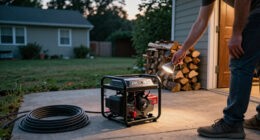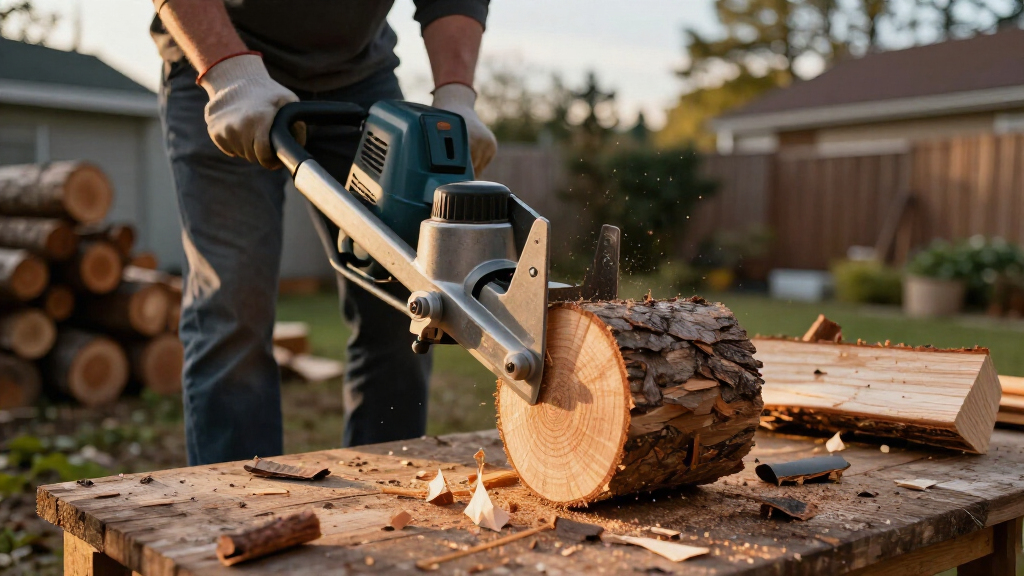

Use this guide to set up an electric log splitter, split manageable firewood rounds, and put the machine away safely. It is for beginners with a domestic electric splitter and covers basic preparation, operation, shutdown, and simple troubleshooting. Allow 30-60 minutes for setup and a small batch; splitting time varies with the wood and machine.

Get business pricing on tools and workshop supplies
- Business-only prices and quantity discounts
- Tax-exempt purchasing
- Multiple users, one account, clear invoices

YARDMAX YS0650 6.5-Ton Electric Log Splitter
- ✔ Ram force: 6.5 tons
- ✔ Maximum log length: 20.5 inches
- ✔ Maximum log diameter: 10 inches

PowerSmart 6.5-Ton Electric Log Splitter
- ✔ Motor: 15-amp induction motor
- ✔ Motor speed: 3,450 rpm
- ✔ Splitting force: 6.5 tons

7-Ton Electric Log Splitter with Foot Pedal and 4-Way Cross Wedge
- ✔ Power source: Electric
- ✔ Splitting force: 7 tons
- ✔ Motor: 3 HP
Difficulty: Beginner | Time: 30-60 minutes, depending on the amount of wood
What You’ll Need
Tools & Materials:
- Electric log splitter with its manual
- Outdoor-rated extension cord of the gauge and length specified by the manufacturer, if needed
- Safety glasses or goggles
- Hearing protection if the manual or noise level calls for it
- Work gloves for handling wood, removed before operating moving parts if they could catch
- Sturdy, closed-toe footwear
- Stable, level work surface
- Dry, appropriately sized logs
Knowledge:
- How to identify the splitter’s power switch and controls
- How to read the wood size and power requirements in the manual
Check the manual for log diameter and length limits, duty cycle, electrical supply, cord requirements, and required operating position. Electric models differ. Do not use a cord, outlet, or setup that falls outside the manufacturer’s instructions.
YARDMAX YS0650 6.5-Ton Electric Log Splitter
The YARDMAX earns our overall pick by pairing 6.5 tons of ram force with a 20.5-inch maximum log length and 10-inch diameter limit. That extra half-inch of length over PowerSmart is a modest but concrete advantage when rounds are cut a little longer. Both share the same stated force and diameter ceiling, so the YARDMAX’s appeal is its capacity balance rather than a large leap in power.Compared with the 7-ton splitter, the YARDMAX gives up 1 ton of stated force, a longer bed, and the option of a 4-way wedge. In return, its specified size covers a broad range of ordinary home firewood lengths without paying the space and feature attention that a larger splitter may invite. We would choose it for a homeowner who wants a straightforward middle ground and regularly encounters logs near 20 inches long.The supplied details leave important workflow questions unanswered: there is no cycle time, weight, or portability information to compare with PowerSmart’s wheels and 108-pound specification. Buyers processing a large pile should not assume this model will keep pace, and its 10-inch diameter limit rules out larger rounds by specification. It is also electric, so location and power access remain part of the setup.
Pros:
- 6.5 tons of stated ram force
- Accepts logs up to 20.5 inches long
- Maximum listed log diameter of 10 inches
- Electric power source for home use
Cons:
- No cycle time is provided in the supplied specifications
- No weight or wheel details are provided for assessing transport
- The 10-inch diameter limit excludes larger rounds
Best for: Homeowners who split logs close to 20 inches long and want a 6.5-ton electric model with a 10-inch diameter limit.
Not ideal for: Buyers working with rounds over 10 inches in diameter, seeking a 4-way wedge, or needing known cycle-time and transport specifications.
Bottom line: We recommend the YARDMAX as the most balanced pick here for home users whose logs benefit from its slightly longer capacity than PowerSmart’s.
“We recommend the YARDMAX as the most balanced pick here for home users whose logs benefit from its slightly longer capacity than PowerSmart’s.”
PowerSmart 6.5-Ton Electric Log Splitter
PowerSmart is the clearest fit for buyers who value known handling details as much as splitting capacity. Its 6.5-ton hydraulic system matches the YARDMAX’s force and 10-inch maximum diameter, while its 20-inch length rating falls just short. Rear wheels and a compact footprint make storage and moving it around a home setting easier to plan for, though at 108 pounds it is still substantial equipment rather than a lightweight carry.The tradeoff is pace. PowerSmart lists a 20-second cycle time, which points toward occasional, light-duty work instead of a quick session with a large volume of wood. The 7-ton model lists an 18-second cycle and more capacity, but the difference is only two seconds per listed cycle; neither figure alone makes either splitter a high-throughput machine. PowerSmart’s two-year warranty and 15-amp induction motor provide more specific ownership information than the YARDMAX listing supplies.This is the most defined home-use package in the comparison, but its stated design is explicitly light-duty. We would skip it if the job involves long sessions, logs exceeding 20 inches, or a need for interchangeable wedges. Its compact dimensions help with storage, while the 20-second cycle and home-use positioning set expectations for a measured pace.
Pros:
- 6.5-ton hydraulic system with capacity for logs up to 10 inches in diameter
- Rear wheels and compact dimensions support storage and repositioning
- 15-amp induction motor is specified
- Two-year warranty is listed
Cons:
- Designed for light-duty or home use
- 20-second cycle time may feel slow during larger jobs
- Maximum log length is 20 inches, shorter than the YARDMAX and 7-ton model
Best for: Homeowners splitting modest quantities who want wheels, compact dimensions, and a stated warranty and cycle time.
Not ideal for: Buyers processing large volumes, working with logs over 20 inches long, or prioritizing the shortest cycle and extra wedge options.
Bottom line: Choose PowerSmart when compact storage and clearly stated home-use specifications matter more than the longer capacity or wedge versatility of the other picks.
“Choose PowerSmart when compact storage and clearly stated home-use specifications matter more than the longer capacity or wedge versatility of the other picks.”
7-Ton Electric Log Splitter with Foot Pedal and 4-Way Cross Wedge
This splitter offers the broadest stated capacity in the group: 7 tons of force and a 22-inch bed, compared with 6.5 tons and maximum lengths of 20 to 20.5 inches for the other two. It is the natural choice when those extra inches matter or when interchangeable wedges would suit different splitting jobs. Its standard wedge handles a conventional setup, while the 4-way cross wedge can divide suitable logs into more sections in one pass.The foot pedal is another distinguishing feature, allowing operation of the lever with one hand. That can make the control arrangement more convenient, but it does not remove the need to position and handle logs safely. Wheels, a towing handle, and vertical storage also address moving and storing this larger-capacity machine. Compared with PowerSmart, it adds useful versatility and lists a quicker 18-second cycle; compared with YARDMAX, it accommodates longer logs and supplies more operating features.Capacity and accessories do not make it the automatic pick for every household. The 18-second cycle may still limit progress on a large pile, and the description requires access to an electrical source. No maximum log diameter is provided, so we should not infer that it accepts wider rounds than the 10-inch ratings on the other models. This is the most capable option by the listed force and length, but buyers should match its extra reach to actual logs and available space.
Pros:
- Highest stated splitting force in this comparison at 7 tons
- 22-inch maximum log length exceeds the other models
- Includes standard and 4-way cross wedges
- Foot pedal, wheels, towing handle, and vertical storage are specified
Cons:
- 18-second cycle time may constrain throughput for large jobs
- Requires access to an electrical power source
- Maximum log diameter is not listed in the supplied specifications
Best for: Homeowners with logs up to 22 inches long who want a choice of standard or 4-way splitting and a foot-pedal control option.
Not ideal for: Buyers who need a stated maximum diameter, expect rapid processing for large jobs, or lack convenient electrical access.
Bottom line: Pick this model when longer logs and wedge flexibility justify its larger feature set, while keeping expectations realistic about cycle pace.
“Pick this model when longer logs and wedge flexibility justify its larger feature set, while keeping expectations realistic about cycle pace.”
As an Amazon Associate we earn from qualifying purchases.
Before You Start
Choose a dry, level work area with good lighting and room to move logs without stepping over the power cord. Keep children, pets, and bystanders away. Do not operate in rain, standing water, or a wet location. Inspect the cord, plug, guards, controls, and machine for damage; do not use damaged equipment. Keep hands clear of the ram, wedge, and log during every cycle. Follow the manual’s instructions if they differ from these general steps.
Step-by-Step Instructions
Step 1: Choose and prepare suitable logs
Select rounds within the splitter’s stated size limits. Remove loose dirt and debris, and set aside pieces with metal, embedded objects, or severe bends that could make them unstable. Place the logs near the work area so you can lift each one without twisting. Cut oversized rounds to the approved length with suitable equipment before splitting; do not force them into the splitter.
Tip:Freshly cut wood can be heavy and slippery. Ask for help with awkward rounds and keep your path clear.
Check: Each round is within the machine’s length and diameter limits and can sit steadily on the splitting bed.
Step 2: Position and inspect the splitter
Set the splitter on a firm, level surface in the position specified by its manual. Check that it cannot rock or slide. Confirm the ram, wedge, guards, and controls are clean and unobstructed. Look over the housing and hydraulic area for visible damage or leaks. Leave clear space around the machine and keep the cord away from the splitting zone.
Tip:Do not operate a splitter that leaks, has a damaged guard, or has a control that sticks. Refer the issue to a qualified repair service.
Check: The machine sits securely, its working area is clear, and no damage or leak is visible.
Step 3: Connect the power safely
Check the voltage and outlet requirements in the manual. Use a grounded outlet and, if an extension cord is needed, use an outdoor-rated cord with the specified wire gauge and maximum length. Fully uncoil the cord and route it away from the ram, wedge, water, and footpaths. Keep the splitter switched off while plugging it in.
Tip:A cord that is too long or too light can cause voltage drop, overheating, or poor performance. Do not substitute a household cord unless the manufacturer permits it.
Check: The plug fits the specified outlet, the cord is undamaged and fully uncoiled, and no one can trip over it.
Step 4: Put on protective equipment and learn the controls
Wear safety glasses and sturdy footwear. Use hearing protection when the manual recommends it or the machine is loud. Read the control instructions before starting. Identify how to start and stop the splitter and how its return cycle works. Keep loose clothing, jewelry, and long hair secured. Wear gloves only while handling logs; remove them for operation if they could catch on moving parts.
Tip:Many splitters require two-hand controls. Never defeat, tie down, or bypass a safety control.
Check: You can identify the controls and stop method, and clothing or equipment cannot snag on moving parts.
Step 5: Place one log on the splitting bed
Switch on the machine according to the manual. Place one log on the bed with its end squarely against the support and centered in line with the wedge and ram. Keep the log stable, with hands clear of the moving path. Do not hold the log in place while activating the controls. If the log will not sit securely, switch off the machine and reposition or reject it.
Tip:Never place a log at an angle or stack pieces for a single cycle. A shifting log can eject or damage the machine.
Check: One log sits squarely and securely in the approved splitting position, with hands outside the danger area.
Step 6: Split the log using the controls
Stand in the operating position shown in the manual and activate the controls as instructed. Keep your hands, feet, and clothing clear while the ram moves. Let the machine complete its cycle; do not reach in, adjust the log, or try to remove a piece while parts are moving. If the log shifts, stalls, or makes an unusual sound, stop the machine and wait for all movement to end before investigating.
Tip:Do not hold a control longer than the prescribed cycle or exceed the machine’s duty cycle. Allow cooling breaks when the manual calls for them.
Check: The log separates or the cycle ends without the piece shifting dangerously, the motor straining, or the machine showing a fault.
Step 7: Remove split pieces and repeat
Wait until the ram has fully retracted and all motion has stopped. Remove the split pieces from the bed, keeping fingers away from pinch points. Reposition a piece only while the splitter is stopped. Split pieces again only if they fit securely within the machine’s limits. Repeat one log at a time, monitoring the machine for heat, unusual noise, or reduced performance.
Tip:Do not use the splitter to crush small scraps or force a knotty piece through. Set aside pieces that the machine cannot handle safely.
Check: The bed stays clear between cycles, and each new log is stable and within the machine’s limits.
Step 8: Switch off, unplug, and clean the machine
When finished, let the ram return fully, switch off the splitter, and unplug it by gripping the plug rather than pulling the cord. Wait for all movement to stop. Brush away wood chips and debris without putting hands near sharp or pinch areas. Check for damage or leaks, then store the splitter and cord in a dry place as the manual directs.
Tip:Do not clean, adjust, or service the splitter while it is connected to power.
Check: The machine is off and unplugged, the work area is clear, and the splitter is dry and stored securely.
Common Mistakes to Avoid
- Using an undersized or coiled extension cord. — Use the cord type, gauge, and maximum length specified by the manual, and fully uncoil it before use.
- Loading a log that is oversized, angled, or unstable. — Check the machine’s limits and center each log squarely. Stop and reposition it only after all motion has ended.
- Reaching toward the wedge or ram before the cycle ends. — Keep hands clear throughout the cycle and remove pieces only after the ram has retracted and stopped.
- Running the machine beyond its duty cycle. — Follow the manual’s operating and cooling intervals; stop if the motor strains, overheats, or slows unexpectedly.
Troubleshooting
Problem: The splitter will not start.
Solution: Switch it off and check that the plug is fully seated, the outlet is powered, and any reset or overload protection is set as the manual describes. Inspect the cord for damage. Do not open the housing; arrange qualified service if it still will not start.
Problem: The ram moves slowly or stalls.
Solution: Release the controls and switch off the machine. Check that the log is within the rated size and positioned correctly. Allow the motor to cool for the period specified by the manual. If the problem continues with a suitable log, unplug the unit and seek service.
Problem: The log shifts or will not split cleanly.
Solution: Stop the cycle and wait for all movement to end. Remove or reposition the log with the machine off, then center it squarely. Set aside logs that are oversized, unstable, or too knotty for the splitter.
Problem: The motor stops during repeated use.
Solution: Switch off and unplug the splitter, then allow it to cool. Check the manual for the duty cycle and reset procedure. Reduce the work rate and use a suitable power supply; get service if shutdowns recur.
What Success Looks Like
The firewood is split into stable pieces of the desired size, all cycles were completed with hands clear of moving parts, and the splitter shows no visible damage or leaks. The machine is switched off, unplugged, free of debris, and stored dry.
Next Steps
Stack split wood in a dry, ventilated place with airflow around the pieces. Before the next session, inspect the cord, plug, controls, and machine again. Follow the manual’s schedule for hydraulic checks, maintenance, and service; unplug the unit before any cleaning or permitted user maintenance. Stop using it and contact a qualified service provider if you find damage, a leak, or recurring performance problems.
Frequently Asked Questions
Can I use an electric log splitter indoors?
Only if the manufacturer permits it and the space meets the manual’s electrical and ventilation requirements. Keep the unit away from water, combustible clutter, and people who are not operating it. Many users set up outdoors in a dry, sheltered area.
Can I split wet or freshly cut wood?
Many electric splitters can split green wood if it fits the machine’s limits, though the effort and results vary by species and grain. Follow the manual and stop if the motor strains or the log shifts.
What should I do if a log gets stuck?
Release the controls, switch off, and unplug the machine. Follow the manual’s method for freeing a stuck log. Never pry against the ram or wedge while the machine is powered, and do not reach into a pinch area.
Can I use any extension cord?
No. Match the outdoor rating, wire gauge, and maximum length to the manual’s requirements. A cord that is too light or long can cause overheating or prevent reliable operation.
Fall yard work Picks
leaf blowers
As an affiliate, we earn on qualifying purchases.