
To decide if a round is worth saving, inspect it closely for signs of corrosion, dents, cracks, or deformation, especially on the brass case and primer. Make sure it’s been stored in a cool, dry place, and avoid rounds exposed to moisture or extreme temperatures. You should also consider its age and history, as older or mishandled rounds may perform poorly or be unsafe. Keep in mind, proper evaluation can help you avoid potential malfunctions—continue to explore these tips for safer storage and reuse.

Get business pricing on tools and workshop supplies
- Business-only prices and quantity discounts
- Tax-exempt purchasing
- Multiple users, one account, clear invoices
Key Takeaways
- Inspect brass cases for dents, cracks, corrosion, or deformities before saving.
- Check the primer for signs of corrosion, deterioration, or damage.
- Ensure the bullet is intact, properly seated, and shows no signs of damage or shifting.
- Store rounds in airtight, cool, dry containers to prevent moisture and environmental damage.
- Discard rounds with visible corrosion, dents, cracks, or any signs of compromised integrity.
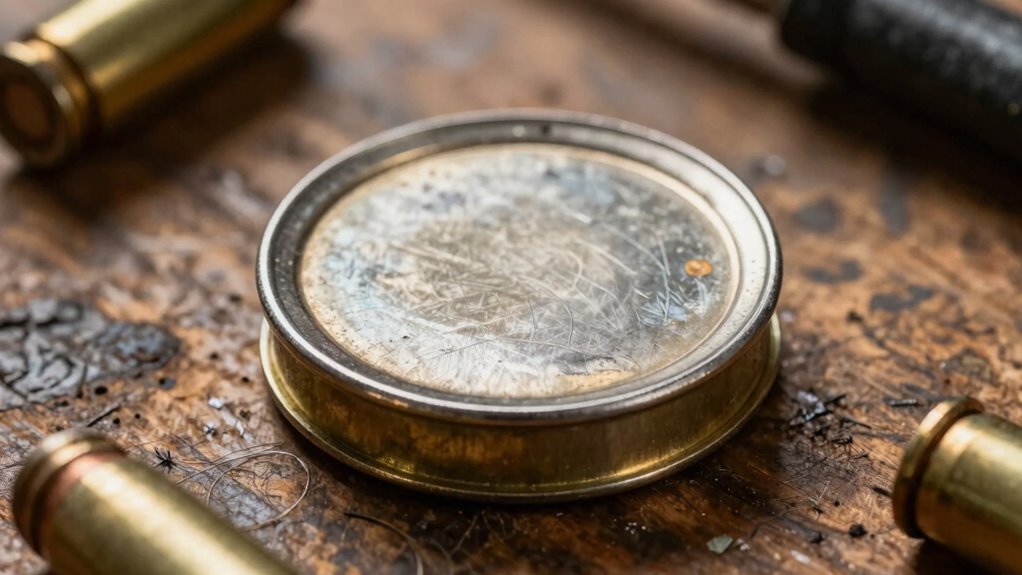
Ever wondered whether that extra round in your firearm is worth saving for later? Deciding whether to keep a round involves understanding its condition and how it fits into your overall ammunition strategy. When considering ammunition storage, you want to guarantee the round remains reliable and safe for future use. Proper storage isn’t just about tossing rounds into a box; it’s about safeguarding them from environmental factors like moisture, extreme temperatures, and corrosion. Using airtight containers, silica gel packs, and storing your ammunition in a cool, dry place can considerably extend its shelf life. If a round has been exposed to moisture or fluctuating temperatures, its integrity might be compromised, making it less reliable—or worse, unsafe to fire. Additionally, inspecting the brass case for signs of wear or damage can help determine if a round is still viable. Reloading considerations also play an essential role in determining if a round is worth saving. If you reload your own ammunition, you understand the importance of inspecting rounds for damage or deformities. A round that shows signs of corrosion, dents, or cracks should be discarded rather than saved. Conversely, a pristine round that’s been stored properly might be worth keeping, especially if you’re considering reloading it later to customize your load or save money. When reloading, you need to assess whether the brass case is still in good shape, the primer is intact, and the bullet hasn’t shifted or been compromised. Saving rounds with minor imperfections isn’t advisable, as reloading compromised rounds can lead to malfunctions or dangerous failures. It’s also wise to consider the ammunition’s age and history** to ensure consistent performance. Sometimes, the condition of the primer can also provide clues about whether a round is still safe to use. It’s important to recognize that proper storage conditions significantly influence the longevity and reliability of stored ammunition. Proper storage can prevent deterioration caused by environmental factors, which is especially crucial for long-term preservation**. Additionally, understanding how environmental factors affect ammunition can help you make more informed decisions about storage and safety. It’s also essential to weigh the round’s age and history. Older ammunition might not perform as reliably, even if it looks fine on the surface. Sometimes, the powder inside can degrade over time, affecting accuracy and pressure. If you’re unsure about a round’s age or condition, it’s better to err on the side of caution. When in doubt, **test fire the round in a controlled environment before relying on it for critical situations. This way, you know whether it’ll perform as expected or if it’s better to recycle it into reloading components or dispose of it properly. Ultimately, deciding if a round is worth saving hinges on its condition, storage environment, and your reloading plans. Prioritize safety and reliability above all, and develop a systematic approach to inspecting and storing your ammunition. Proper ammunition storage and reloading considerations ensure that your rounds remain effective and safe** for future use, saving you money and peace of mind in the long run.
Products Worth Considering

Arlo Essential Outdoor Pan-Tilt-Zoom Security Camera, 2K, Wired, 2-Camera Pack

TCL 43-Inch 4K UHD Smart LED Roku TV (43S435, 2021 Model)

Blueair Blue Pure 511i Max Air Purifier
As an affiliate, we earn on qualifying purchases.
Frequently Asked Questions
Can Stored Rounds Lose Accuracy Over Time?
Stored rounds can lose accuracy over time, especially if their ammunition lifespan and storage longevity aren’t ideal. Factors like moisture, temperature fluctuations, and poor sealing can degrade the powder or primer, impacting performance. You should regularly inspect your ammunition for corrosion, dents, or corrosion. Proper storage in a cool, dry, and stable environment helps maintain accuracy, ensuring your rounds stay reliable and effective for future use.
What Environmental Factors Affect Round Preservation?
Environmental factors like humidity, temperature, and exposure to sunlight greatly impact round preservation. High humidity can cause corrosion, while extreme temperatures may affect chemical stability, leading to degradation. UV sunlight accelerates deterioration, and dirt or moisture can compromise the primer and metal. To keep rounds in top condition, store them in a cool, dry place, preferably in airtight containers, away from direct sunlight to minimize environmental impact.
Is There a Recommended Storage Container for Rounds?
For ammunition safety, you should choose a durable, corrosion-resistant storage container. Options like metal ammo cans or plastic cases with tight seals are ideal, as they protect rounds from moisture and temperature fluctuations. Guarantee the container has secure locking mechanisms to prevent accidental access. Proper storage helps preserve the integrity of your rounds and maintains safety, making these container choices highly recommended for long-term ammo storage.
How Long Can Rounds Be Safely Stored?
Think of your rounds as delicate seeds in a garden, needing protection to thrive. Ammunition durability varies, but with proper storage safety guidelines, your rounds can last several years—typically 10 to 20—if kept in a cool, dry place. Avoid humidity and extreme temperatures. Regularly inspect your stored rounds for corrosion or damage, ensuring they remain reliable whenever you need them. Proper storage preserves their effectiveness over time.
Do Different Calibers Require Different Storage Methods?
Yes, different calibers often need tailored storage methods because ammunition durability varies by size and construction. For ideal storage, keep all calibers in a cool, dry place, avoiding temperature fluctuations that can degrade ammo. Use airtight containers or sealed boxes to prevent moisture. Customizing your storage approach for each caliber ensures maximum preservation and safety, helping maintain their effectiveness and prolonging their lifespan through proper storage enhancement.
Conclusion
Remember, deciding whether to save a round is like choosing a book to read again—if it sparks excitement or offers new insights, it’s worth keeping. I once held onto a round that seemed ordinary, but later realized it was a rare gem that changed my game. Trust your instincts, and don’t be afraid to hold onto those special rounds. After all, sometimes what’s worth saving isn’t obvious at first glance—it’s the ones that surprise you.