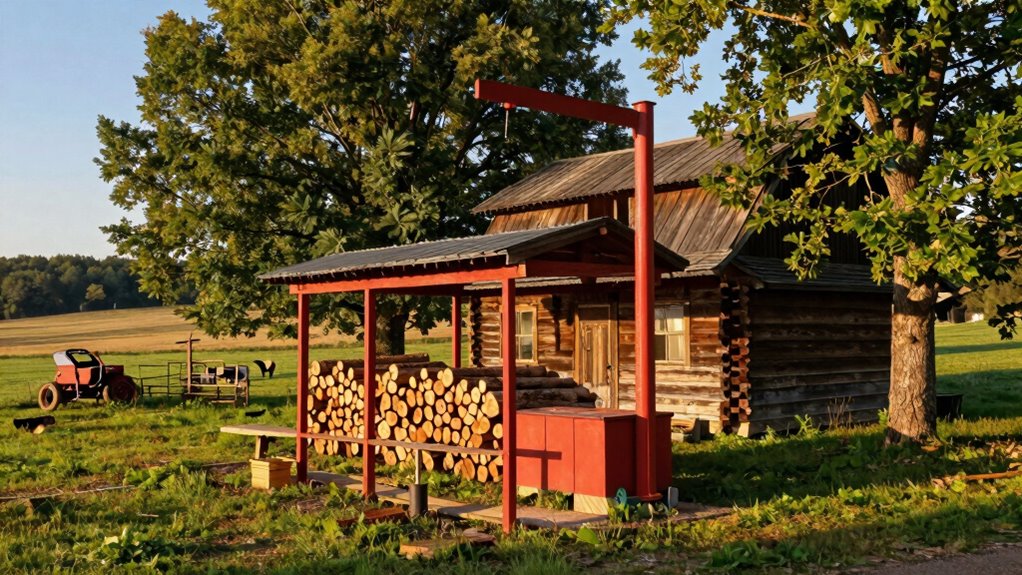

To match a splitter to your cabin, farm, or acreage routine, consider the size and frequency of logs you’ll handle. For large, dense hardwoods or frequent use, opt for a powerful splitter with 20-30 tons of force and fuel-efficient options like gas or diesel. For smaller logs or occasional work, a lighter, electric model may suffice. Matching power, safety features, and portability to your needs saves time and money—see how to optimize your setup as you explore further.

Get business pricing on tools and workshop supplies
- Business-only prices and quantity discounts
- Tax-exempt purchasing
- Multiple users, one account, clear invoices
Key Takeaways
- Assess log sizes and hardwood density to determine the appropriate splitting force (10-30 tons).
- Consider fuel type and efficiency based on remote location or frequent use.
- Match splitter portability and safety features to user experience and terrain conditions.
- Choose eco-friendly electric models for small, occasional tasks; larger fuel models for high-volume routines.
- Balance engine power, fuel efficiency, and capacity to ensure cost-effective, routine-specific performance.
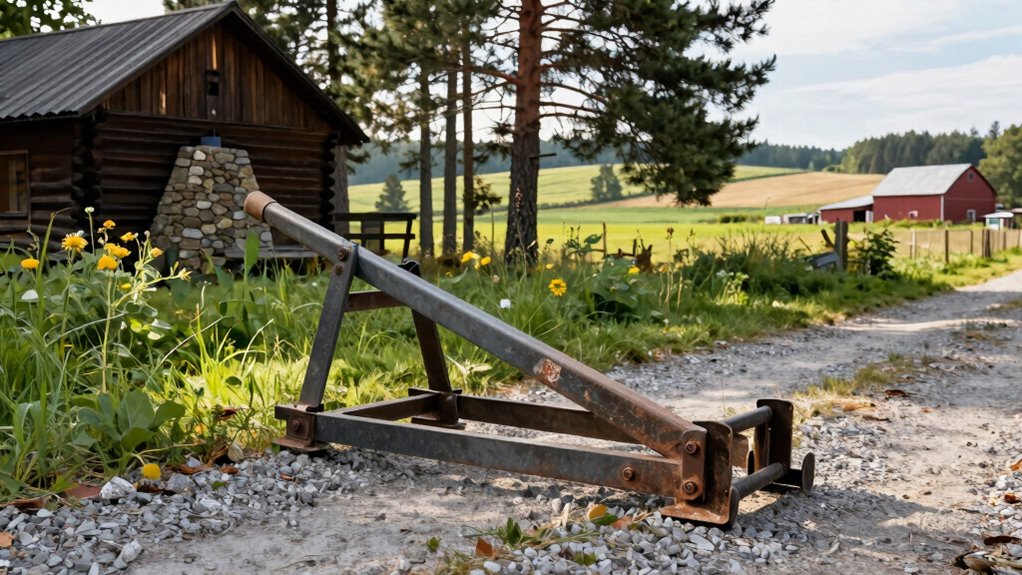
Choosing the right splitter for your cabin, farm, or acreage routine is essential to efficiently handle your firewood needs. The key is selecting a splitter that matches the scale of your operation, ensuring you get enough power without overspending on unnecessary features. One of the first things to consider is engine power. If you’re splitting large logs or dealing with dense hardwoods, you’ll want a splitter with a more powerful engine—something in the range of 20 to 30 tons of splitting force. This kind of power allows you to handle thick, tough logs quickly and with less effort. Conversely, if your firewood needs are modest, such as maintaining a small cabin or supplementing a wood stove, a splitter with lower engine power, around 10 to 15 tons, might be sufficient. It’ll be easier to maneuver and typically costs less upfront.
Choose a splitter with 20-30 tons for large logs or dense hardwoods; 10-15 tons suits small, modest needs.
Fuel efficiency is another critical factor when matching a splitter to your routine. A splitter with good fuel efficiency saves you money over time, especially if you plan to split large quantities regularly. Gas-powered models tend to be more portable and easier to use in remote locations, but they can consume more fuel, leading to higher operating costs. Diesel models, while often more fuel-efficient, are generally heavier and may require more maintenance. Electric splitters are the most fuel-efficient and environmentally friendly option, especially if you have reliable power sources nearby. They’re quieter too, making them suitable for quiet, rural settings. If you’re only splitting occasionally or small amounts, an electric model might be the best choice. For high-volume routines or larger logs, gas or diesel models with high engine power and good fuel efficiency will make your work faster and less taxing. Additionally, considering power sources that match your routine can help you choose the most suitable model, whether that’s electric, gas, or diesel.
You also need to think about ease of use and safety. If you’re new to splitting wood or use it infrequently, a smaller, more manageable model with adequate engine power will be easier to handle. Larger, more powerful splitters usually come with additional safety features to prevent accidents during heavy-duty operation. Consider storage and transportation as well—if you need to move the splitter around your property, look for models with wheels or a compact design. It’s also beneficial to consider safety features that can help prevent common accidents and ensure safe operation. Understanding the importance of biodiversity and minimizing environmental impact can guide you toward eco-friendly equipment options, such as electric splitters. Furthermore, choosing a model with low emissions can contribute to reducing your environmental footprint.
Ultimately, matching the splitter to your routine involves balancing engine power, fuel efficiency, and your specific needs. If you’re clearing a lot of land and splitting large logs regularly, investing in a high-powered, fuel-efficient model makes sense. For occasional or smaller tasks, a less powerful, more affordable splitter will do just fine. By choosing wisely, you’ll save money, time, and effort while keeping your firewood supply well-stocked.
As an affiliate, we earn on qualifying purchases.
Frequently Asked Questions
What Safety Precautions Should I Follow When Operating a Wood Splitter?
When operating a wood splitter, always wear protective gear like gloves, safety glasses, and hearing protection to prevent injuries. Make sure you’ve undergone proper safety training to understand the machine’s functions and hazards. Keep hands and clothing away from moving parts, and never operate the splitter if you’re tired or distracted. Regularly inspect the equipment for damage, and always follow the manufacturer’s safety instructions for safe operation.
How Often Should I Perform Maintenance on My Wood Splitter?
You should perform maintenance on your wood splitter regularly, ideally following the manufacturer’s maintenance schedule. Check the oil inspection before each use to guarantee proper lubrication and prevent damage. Typically, oil changes are needed after every 50-100 hours of operation or at least once a season. Regular inspections and timely oil changes keep your splitter running smoothly, extend its lifespan, and ensure safe operation during your cabin, farm, or acreage routine.
Can I Use a Hydraulic Splitter for All Types of Wood?
You can use a hydraulic splitter for most woods, but it’s like trying to fit a square peg in a round hole—wood moisture and splitter capacity matter. Soft, dry wood flows like butter, making splitting easier, while wet, dense logs challenge your machine. Check your splitter’s capacity to handle the wood’s moisture content and size. If you match these factors, your splitter becomes a reliable workhorse across different woods.
What Is the Average Lifespan of a Wood Splitter?
The average lifespan of a wood splitter typically ranges from 5 to 15 years, depending on your wood durability and usage habits. If you regularly split tough, dense wood, the splitter’s longevity might decrease, while lighter, softer woods can extend its life. Proper maintenance, like regular oiling and inspections, helps guarantee your splitter lasts longer. With proper care, you can maximize your splitter’s longevity and enjoy reliable performance for years.
Are There Eco-Friendly Options for Powered Wood Splitters?
Yes, eco-friendly powered wood splitters are available. You can choose models that use sustainable fuels like biodiesel or electricity, reducing emissions. Look for splitters made from eco-friendly materials, which minimize environmental impact. These options help you stay green while maintaining performance. By selecting a splitter with sustainable fuels and eco-friendly materials, you support eco-conscious practices and enjoy efficient wood splitting that aligns with your environmental values.
Conclusion
With the right splitter, you’ll smoothly streamline your cabin, farm, or acreage chores. By balancing brute strength with basic needs, you’ll boost efficiency and banish bulky burdens. Remember, choosing the correct cutter creates confidence and clears your calendar. So, stay savvy, select smart, and start splitting with purpose. Your perfect power partner awaits—making your outdoor tasks easier, quicker, and more enjoyable every day!
Fall yard work Picks
leaf blowers
As an affiliate, we earn on qualifying purchases.