
To work safely with oversized rounds and vertical modes, always wear proper safety equipment like hard hats, high-visibility vests, and gloves. Carefully assess load stability and secure loads properly to prevent slips or falls. Follow thorough training and established procedures, and use clear communication such as radios or hand signals to coordinate with your team. Constant supervision and strict adherence to safety protocols are essential. Keep your focus on safety—there’s more to learn to keep yourself and others protected.
Key Takeaways
- Conduct thorough load assessments and plan movements considering load size, weight, and center of gravity.
- Use appropriate lifting equipment and secure loads with proper rigging to prevent slips and falls.
- Maintain clear communication using signals or radios to coordinate complex maneuvers safely.
- Ensure all personnel wear proper safety gear and are trained on handling oversized and vertical loads.
- Supervise operations closely, following safety protocols and verifying equipment condition before each lift.
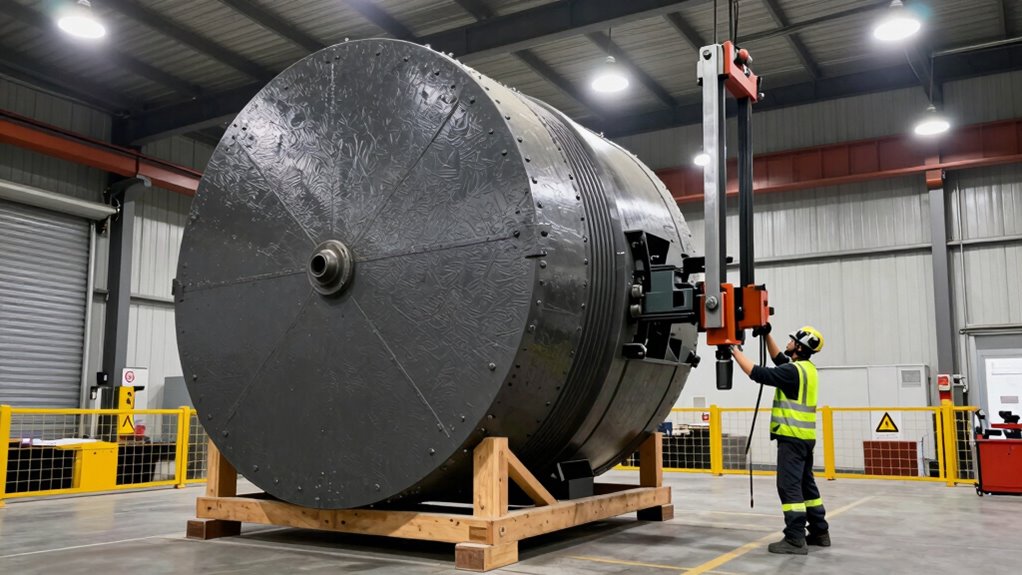
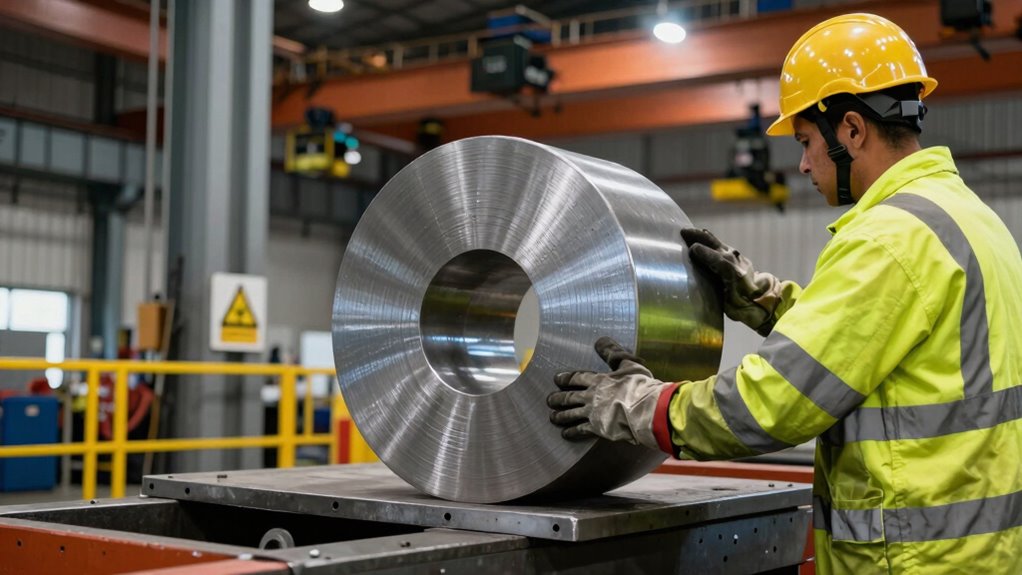
Have you ever wondered how to handle oversized rounds and vertical modes safely on the job site? It’s imperative to prioritize safety because working with large, unwieldy materials can be risky if not managed properly. The first step is making sure you’re equipped with the right safety equipment. This includes hard hats, high-visibility vests, steel-toed boots, and gloves to protect against potential injuries. Additionally, using proper lifting gear like slings, chains, and specialized clamps helps secure the loads, reducing the chance of slips or falls. Always double-check that all equipment is in good condition before starting any operation. Remember, safety equipment isn’t just about personal protection; it also involves tools and machinery designed to handle heavy loads efficiently, minimizing hazards. Properly understanding load stability is crucial for preventing accidents during vertical and oversized load handling.
Next, following strict training protocols is essential for safe handling. Before attempting to move or work with oversized rounds and vertical modes, you should have thorough training on safe operating procedures. This training should cover how to assess load weight and dimensions accurately, identify potential hazards, and understand the proper use of lifting and rigging equipment. It’s also imperative to be familiar with the stability principles when working in vertical modes, especially when the load’s center of gravity is high. Proper training ensures you’re aware of the best practices for securing loads and maintaining control during lifting and transport. It also emphasizes clear communication among team members, which is critical when coordinating complex maneuvers.
Communication plays a key role in maintaining safety. Use hand signals, radios, or other agreed-upon methods to keep everyone informed about each step of the process. Never work alone in these situations; always have at least one other person supervising or assisting, so there’s immediate help if something goes wrong. Regular safety briefings before each shift can reinforce the importance of following protocols and remind everyone of the risks involved. Supervision and adherence to established procedures help prevent accidents and guarantee that everyone understands their role in maintaining a safe environment.
As an affiliate, we earn on qualifying purchases.
Frequently Asked Questions
What Specific PPE Is Recommended When Handling Oversized Rounds?
When handling oversized rounds, you should wear appropriate personal protective equipment to guarantee handling safety. This includes gloves to protect your hands, safety glasses or goggles to shield your eyes, and steel-toed boots for foot protection. Additionally, consider wearing a hard hat and high-visibility clothing if working around moving equipment. Proper PPE minimizes risks, helps prevent injuries, and promotes safer handling of oversized rounds during your work.
How Do Weather Conditions Impact Safety With Vertical Modes?
You might think weather hazards are just a minor annoyance, but they actually create serious visibility challenges that could lead to accidents. When working in vertical modes, rain, fog, or snow can obscure your view, making it harder to handle oversized rounds safely. Always monitor weather conditions closely, slow down, and use extra caution to prevent mishaps caused by these unseen dangers. Safety first, even when the weather seems “harmless.”
Are There Any Legal Restrictions on Oversized Rounds?
Yes, there are legal restrictions on oversized rounds to guarantee safety and compliance. You must adhere to regulatory standards set by local, state, or federal authorities, which often specify size limits, transportation methods, and handling procedures. Failing to follow these laws can lead to fines, penalties, or safety hazards. Always check your jurisdiction’s regulations before working with oversized rounds, and make certain your operations are fully compliant to avoid legal issues.
How Often Should Safety Training Be Updated for Vertical Mode Operations?
They say, “You can’t teach an old dog new tricks,” but safety training is never outdated. You should update your safety protocols and training frequency at least annually for vertical mode operations. Regular refreshers help you stay current on best practices and legal requirements. Consistent updates guarantee you’re prepared for any risks involved, keeping everyone safe and compliant. Don’t wait for an incident—stay proactive with ongoing training.
What Emergency Procedures Are in Place for Equipment Failure?
In case of equipment failure, you follow established failure protocols, which include stopping operations immediately and activating emergency drills. These drills help you stay prepared and guarantee quick, safe responses. You should also alert the appropriate personnel and assess the situation carefully before proceeding. Regularly reviewing and practicing these emergency procedures keeps you ready to handle equipment failures efficiently, minimizing risks and ensuring safety for everyone involved.
Conclusion
Think of working with oversized rounds and vertical modes as steering a mighty ship through turbulent waters. With steady hands and vigilant eyes, you navigate carefully, avoiding hidden reefs and sudden storms. By maintaining awareness and following safety protocols, you become the captain of your own vessel, steering clear of hazards. Remember, safety isn’t just a charted course — it’s your compass. Stay alert, stay cautious, and you’ll reach your destination safely, no matter how rough the seas.