
Edge feathering helps you improve habitat by creating smooth crossovers between land uses, making it easier for wildlife to move across fragmented areas. You can achieve this by planting native species, thinning vegetation, or establishing buffer zones that gradually blend different habitats. This process reduces edge effects like wind and invasive species, supporting healthier ecosystems. If you want to understand how to implement these techniques effectively, there’s more valuable insight ahead.
Key Takeaways
- Edge feathering creates gradual habitat transitions, reducing fragmentation and facilitating wildlife movement.
- It involves planting native or transitional vegetation to buffer habitat boundaries.
- This technique minimizes edge effects like invasive species and environmental stressors.
- Edge feathering supports ecological connectivity and promotes genetic exchange among populations.
- Implementing feathered edges enhances overall habitat resilience and biodiversity conservation.
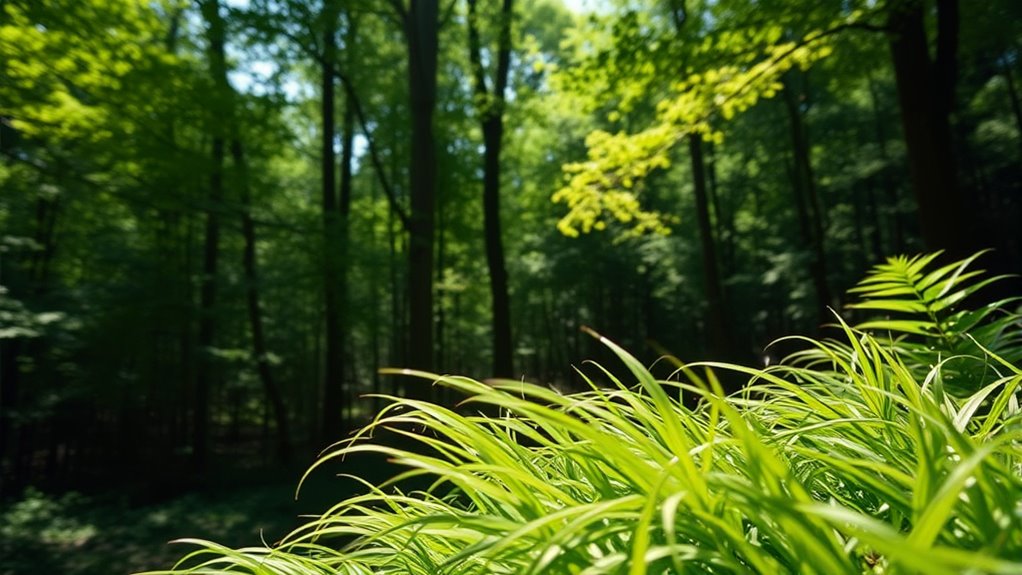
Ever wondered how to create smooth progressions between images or layers? Edge feathering is a technique that can help you do just that, especially when working to improve habitat connectivity. When managing landscapes or designing conservation projects, one of your main goals might be to reduce habitat fragmentation and enable wildlife corridors to function effectively. Fragmented habitats can hinder animal movement, increase mortality risks, and limit genetic exchange. Edge feathering acts as a buffer zone that gradually transitions between different land uses or habitat types, making the movement of species more natural and less abrupt.
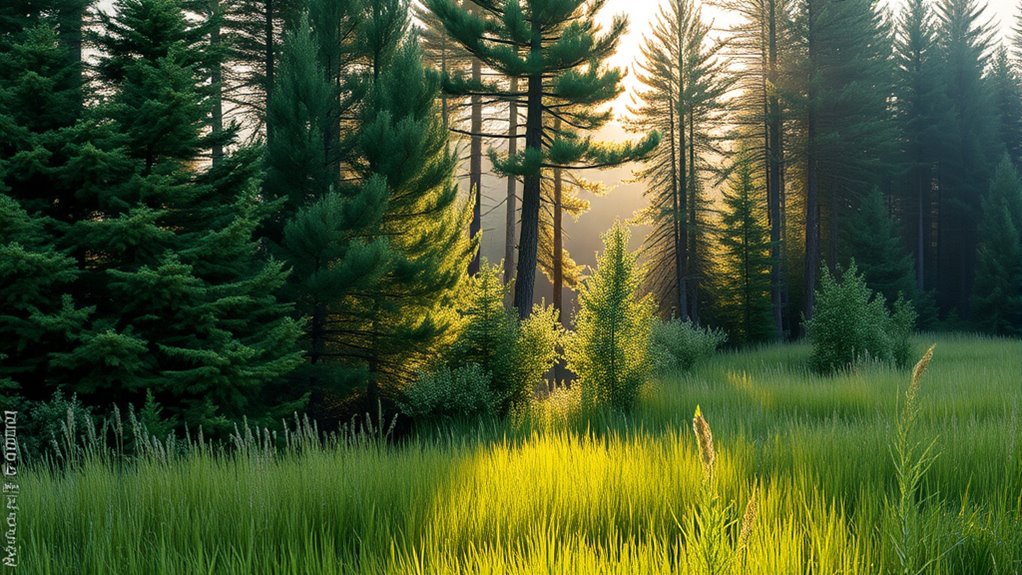
By softening the edges of clear-cut or disturbed areas, you can mitigate the sharp boundaries that often result from human activities like agriculture, urban development, or logging. These harsh edges can act as barriers for many animals, disrupting migration routes and reducing access to essential resources. When you implement edge feathering, you create a gradual shift in vegetation or land cover, which helps species adapt more easily as they move through the landscape. This smooth transition supports the formation of wildlife corridors, essential pathways that connect isolated habitats and promote biodiversity.
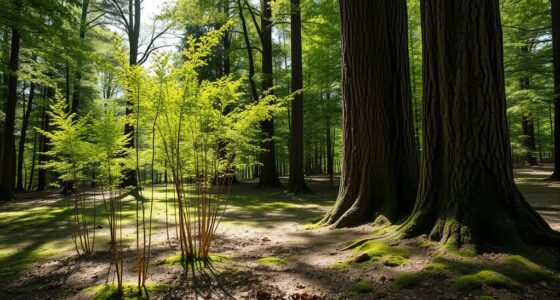
Edge feathering also plays a fundamental role in restoring ecological processes. When the edges of habitats are too abrupt, edge effects—such as increased exposure to wind, sunlight, and invasive species—can degrade the interior environment. Feathered edges buffer these effects, preserving the integrity of core habitats and allowing plants and animals to thrive. As a result, animals that rely on specific habitat conditions find it easier to navigate between different areas, strengthening the overall resilience of the ecosystem.
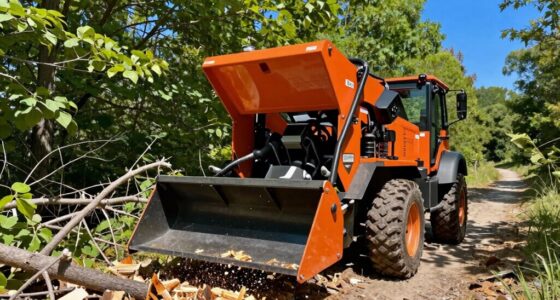
In practical terms, implementing edge feathering involves gradually reducing the density or height of vegetation along a boundary or planting native species that blend seamlessly into surrounding habitats. This can be achieved through selective thinning, planting buffer zones, or creating transitional habitats such as shrublands or grasslands. These measures not only improve the aesthetic quality of the landscape but also serve a critical ecological purpose by facilitating wildlife movement and reducing the impacts of habitat fragmentation.
Additionally, understanding the importance of preppy dog names can be helpful when considering how to name and personalize conservation efforts for easier public engagement and awareness. Ultimately, your goal with edge feathering is to foster a landscape where species can move freely and safely across fragmented patches of habitat. By creating these gentle transitions, you help sustain healthy populations, enhance connectivity, and support the broader goal of habitat conservation. It’s a simple yet effective strategy that aligns with your efforts to make landscapes more resilient and wildlife-friendly.

American Wildflower Seeds for Planting – 24 Variety Pack of Native Plants
- Native Flower Varieties: 24 North American native flowers
- Supports Pollinators: Helps butterflies, bees, and beneficial insects
- Eco-Friendly Gardening: Improves soil and prevents erosion
As an affiliate, we earn on qualifying purchases.
As an affiliate, we earn on qualifying purchases.
Frequently Asked Questions
How Does Edge Feathering Affect Local Biodiversity?
Edge feathering enhances local biodiversity by creating transitional zones that support diverse plant and animal species. You’ll notice increased biodiversity benefits as these buffers foster ecological balance, providing food, cover, and breeding sites. This technique reduces habitat fragmentation, encouraging species movement and interaction. By implementing edge feathering, you help maintain healthier ecosystems, ultimately supporting a richer, more resilient environment where various species thrive and ecological functions remain stable.
What Equipment Is Needed for Effective Edge Feathering?
You’ll need equipment like pruning shears or chainsaws for shaping native plantings, along with mulch or soil for planting. A rake helps smooth the edges, while stakes and string mark the feathered passage zones. Consider installing wildlife corridors nearby to maximize habitat connectivity. Utilizing these tools guarantees effective edge feathering, promoting diverse native plantings that attract and support local wildlife, ultimately enhancing habitat quality and biodiversity in your area.
Can Edge Feathering Be Used in Urban Environments?
Think of edge feathering as giving a city’s wild edge a gentle hug. Yes, you can use it in urban environments! It plays a key role in urban planning by creating smoother gradations between developed areas and natural habitats. This technique not only supports local wildlife but also helps reduce noise pollution, making neighborhoods more peaceful. Implementing edge feathering in cities can truly blend nature into urban life seamlessly.
What Are the Long-Term Maintenance Requirements?
You’ll need to regularly monitor your edge feathering to guarantee native plantings establish well and erosion control remains effective. Prune and weed as necessary to promote healthy growth, especially in the first few years. Over time, erosion should decrease as plants mature, reducing maintenance. Periodic inspections and some replanting might be needed to maintain habitat quality and prevent soil loss, but overall, it becomes more sustainable with proper care.
How Does Edge Feathering Compare to Other Habitat Enhancement Methods?
Edge feathering creates a gradual shift between habitats, making it more effective than other methods for establishing wildlife corridors. It reduces invasive species by preventing abrupt edges that invasive plants often exploit. Compared to planting or clearing, edge feathering requires less ongoing maintenance, as it naturally encourages native growth and supports diverse wildlife. Overall, it offers a sustainable, low-maintenance way to enhance habitat connectivity and resilience.
Conclusion
By implementing edge feathering, you can create smoother handovers between habitats, encouraging wildlife movement and boosting biodiversity. Some might think it’s too much effort or unnecessary, but the benefits outweigh the work. You’ll help protect ecosystems and create healthier environments for both wildlife and people. So don’t hesitate—your small action can make a big difference in preserving natural habitats and supporting local biodiversity for years to come.