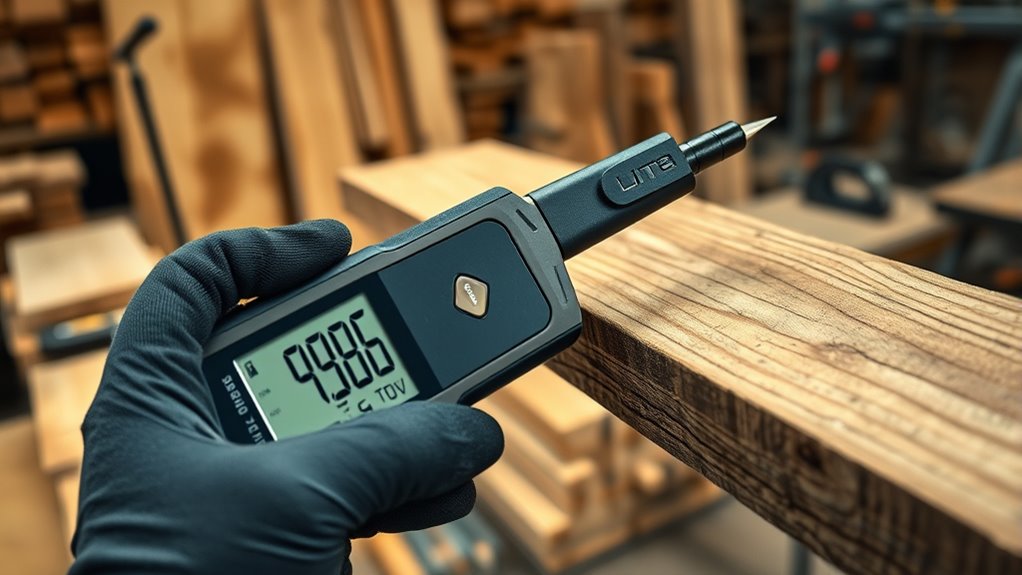

To measure moisture content accurately, you should use calibrated sensors that are regularly adjusted with standards matching your material. Keep environmental factors like temperature and humidity in check, as they can affect readings. Handle your equipment carefully and maintain it well to prevent drift. Consistent calibration guarantees reliable results over time. If you want to learn more about optimizing your moisture measurement techniques, keep exploring the essential steps to get precise results.

Get business pricing on tools and workshop supplies
- Business-only prices and quantity discounts
- Tax-exempt purchasing
- Multiple users, one account, clear invoices
Key Takeaways
- Use properly calibrated moisture sensors with standards that match the material being tested.
- Regularly calibrate sensors to account for drift and environmental influences like temperature.
- Follow standardized calibration procedures, adjusting sensor settings or applying correction factors as needed.
- Maintain consistent testing conditions to minimize measurement variability and improve accuracy.
- Document calibration processes and results to ensure traceability and compliance with quality standards.
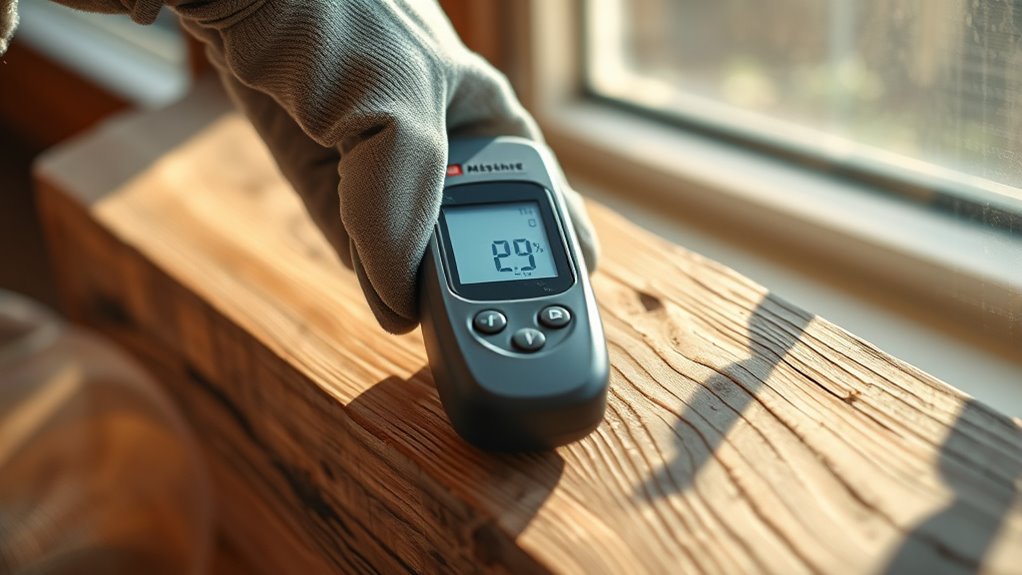
Understanding moisture content is essential because it directly affects the quality, durability, and shelf life of many materials, from food products to construction materials. When you’re measuring moisture, accuracy is crucial, and that’s where calibration techniques and moisture sensors come into play. Calibration ensures your measurement tools provide precise readings, which is vital for maintaining product consistency and quality control. Without proper calibration, even the most advanced moisture sensors can give skewed results, leading to errors that compromise your processes or product integrity.
Accurate moisture measurement is vital for product quality and process reliability.
Moisture sensors are widely used because they offer quick, non-destructive measurements. They work by detecting changes in electrical properties, such as capacitance or resistance, that occur as moisture levels fluctuate within a material. To get reliable readings, you need to regularly calibrate these sensors using standards that match the specific material you’re testing. Calibration techniques typically involve using known moisture content standards or reference materials that serve as benchmarks. By comparing sensor readings against these standards, you can identify and correct any deviations, ensuring your measurements stay accurate over time.
Proper calibration involves a few key steps. First, you select a set of calibration standards that closely resemble the material you’re measuring. Next, you record the sensor’s response to these standards under controlled conditions. If discrepancies appear, you adjust the sensor’s settings or apply correction factors. Some advanced moisture sensors come with built-in calibration features, making this process more straightforward. Regular calibration not only improves measurement accuracy but also extends the lifespan of your sensors by preventing drift and malfunction. Additionally, using reliable moisture sensors with proper maintenance can significantly improve your measurement consistency.
It’s important to establish a routine calibration schedule based on your usage and the environment. Factors like temperature fluctuations, handling, and exposure to dust or chemicals can affect sensor performance. By maintaining consistent calibration, you ensure your moisture measurements are trustworthy, which is especially critical when precise moisture levels influence product quality or safety standards. Many industries also require documentation of calibration procedures for compliance, so keeping detailed records helps meet regulatory requirements.
As an affiliate, we earn on qualifying purchases.
Frequently Asked Questions
What Are Common Mistakes When Measuring Moisture Content?
You often make mistakes in moisture measurement by neglecting proper sampling procedures, which leads to inaccurate results. Additionally, failing to maintain equipment regularly can cause calibration issues and unreliable readings. Always verify you collect representative samples and keep your measurement tools calibrated and well-maintained. By avoiding sampling errors and maintaining your equipment, you improve measurement accuracy and get consistent moisture content readings every time.
How Does Temperature Affect Moisture Measurements?
Temperature effects can totally throw off your moisture measurements, making them wildly unreliable. When temperatures rise or fall sharply, your readings might seem off by a mile, destroying measurement accuracy. You could think your product is dry when it’s actually soaked or vice versa. Always control or account for temperature fluctuations, because ignoring them can turn your precise measurements into a chaotic guessing game, risking costly mistakes.
Can Moisture Content Vary Within a Single Sample?
Yes, moisture content can vary within a single sample due to sample heterogeneity and uneven moisture distribution. You might find some areas with higher moisture and others drier, especially in porous or layered materials. To get an accurate measurement, you should take multiple subsamples and analyze them separately. This approach helps account for variability and guarantees your overall moisture content assessment reflects the true state of the entire sample.
What Calibration Methods Ensure Accurate Readings?
You’ll want calibration standards and reference methods to guarantee your moisture readings are spot-on—imagine the difference it makes! By regularly comparing your instrument against trusted reference methods, you ensure your measurements stay precise, like a laser beam. This routine calibration prevents errors from sneaking in, keeping your results consistent and reliable. Always update your standards and follow proper procedures, so your moisture content readings are as accurate as they can be—no surprises!
How Often Should Moisture Meters Be Calibrated?
You should calibrate your moisture meter at least once every three to six months, depending on usage and environmental conditions. Incorporate calibration frequency into your maintenance schedule to guarantee consistent accuracy. Regular calibration helps detect any drift or faults early, maintaining reliable readings. Always follow the manufacturer’s recommendations for calibration intervals, and perform routine checks especially if you notice inconsistent results or after device impacts.
Conclusion
To measure moisture content accurately, you need the right tools and techniques, just like the trusty balance scales used by bakers in olden times. Don’t rely on guesswork—precision matters, especially when moisture levels can make or break your product. Remember, whether you’re in a modern lab or a vintage workshop, careful measurement guarantees quality. So, stay diligent, keep your methods consistent, and you’ll always get reliable results, no matter what the era.
Halloween Picks
halloween
As an affiliate, we earn on qualifying purchases.