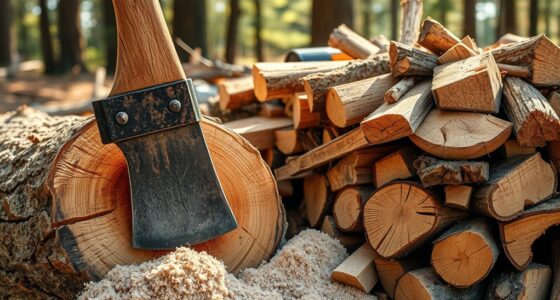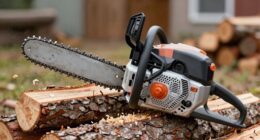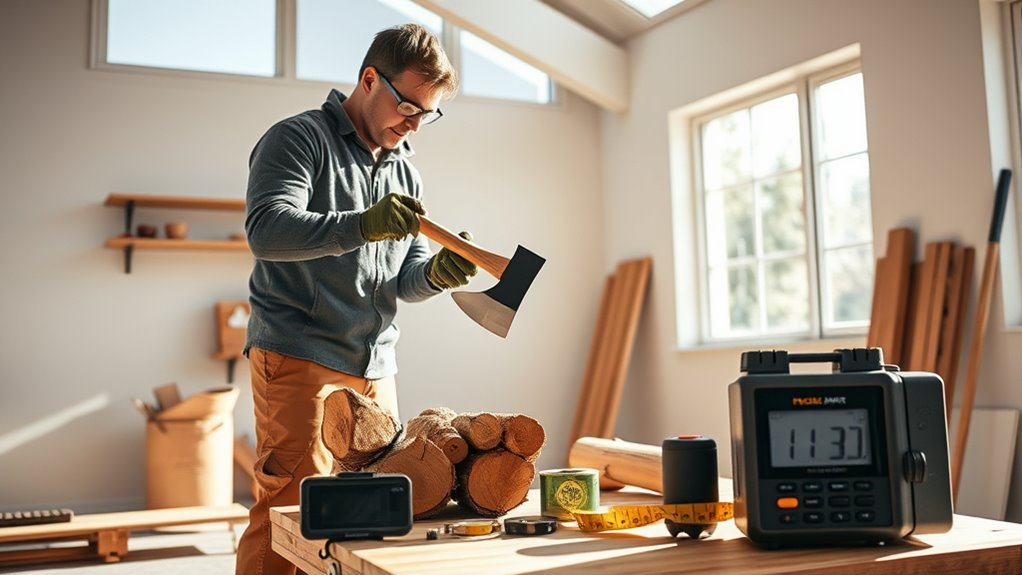

To boost your efficiency when splitting logs solo, start by planning your work and prioritizing manageable tasks before you begin. Keep your workspace organized and guarantee your tools are sharp and in good condition. Find a steady rhythm that balances effort and safety, taking short breaks when needed. Using proper technique reduces fatigue and injuries. Continuously evaluate your progress and make adjustments to improve your speed and safety—if you want to master these strategies, keep exploring further.
Key Takeaways
- Prioritize manageable logs first and save tougher ones for when your focus is highest.
- Organize your workspace and keep tools in good condition to minimize unnecessary movement and delays.
- Develop a consistent work rhythm and pace to prevent fatigue and maintain steady productivity.
- Use proper body mechanics and techniques to reduce fatigue and injury risk during splitting.
- Regularly evaluate your progress and adjust your approach to optimize efficiency and reduce stress.

Ever wondered how to split logs efficiently when you’re working alone? The key lies in effective time management and task prioritization. When you’re responsible for the entire process, you need to make every minute count. Start by evaluating your workload and setting clear goals for each session. Instead of rushing into chopping, take a moment to plan your approach. Decide which logs are the most manageable first, and save the tougher ones for when you’re more focused. This way, you prevent fatigue and avoid wasting time on inefficient attempts. Prioritizing tasks helps you stay organized and keeps your momentum steady, especially when working solo.
Next, organize your workspace to maximize efficiency. Clear the area of any obstructions, and ensure your tools are in good condition. A sharp axe or splitting maul makes the job easier and reduces the physical effort needed, saving you time and energy. When everything is within reach, you minimize unnecessary movement, which is essential when you’re managing everything alone. Proper setup also means you can focus solely on the task at hand without distractions, further improving your productivity. Additionally, understanding cost and budgeting aspects can help you invest in quality tools that last longer and perform better, saving money over time.
Incorporating a rhythm into your work can dramatically boost your efficiency. Once you’ve prioritized your logs and prepared your workspace, develop a steady, consistent pace. Don’t rush, but don’t linger too long on each piece either. Find a comfortable rhythm that allows you to work continuously without unnecessary breaks or overexertion. This approach prevents burnout and keeps your energy levels consistent. Remember, maintaining a deliberate pace is better than sporadic bursts of effort, which can lead to mistakes or injuries.
Another tip for solo log splitting is to use the right technique. Focus on proper body mechanics—stand with your feet shoulder-width apart, use your hips to generate power, and aim accurately. Good technique minimizes fatigue and reduces the risk of injury, ultimately saving time in the long run. If you’re tired, take short breaks to regain strength rather than forcing yourself through fatigue, which can cause mistakes or accidents. Managing your energy ensures you stay productive throughout the task.
Finally, evaluate your progress periodically. After each session, reflect on what worked and what didn’t. Adjust your approach based on your experience and refine your task prioritization to be even more efficient next time. When you manage your time and tasks wisely, splitting logs becomes less of a chore and more manageable, even for a one-person operation. With these strategies, you’ll find yourself working smarter, not harder, and completing your work with greater ease and less stress.

Fiskars X27 Super Splitting Axe, 36" Wood Splitting Axe for Medium to Large Size Logs with Shock-Absorbing Handle, Split Firewood, Forged Steel Blade, Bushcraft Gear and Camping Hatchet
MULTI-USE AXE: Sharp blade axe is an ideal wood chopper designed for firewood, yard work, and lawn cleanup,…
As an affiliate, we earn on qualifying purchases.
As an affiliate, we earn on qualifying purchases.
Frequently Asked Questions
How Do I Handle Unexpected Delays During Splitting?
When unexpected delays happen during splitting, you should stay calm and adapt quickly. Use your time management skills to re-prioritize tasks and focus on what’s most urgent. Incorporate contingency planning by having backup plans for common issues, so you can adjust without losing momentum. Communicate promptly if delays impact others, and stay flexible to minimize disruptions, ensuring you maintain efficiency despite unforeseen setbacks.
What Tools Can Improve My Splitting Efficiency?
Imagine your workflow as a well-oiled machine; using the right tools keeps it humming smoothly. An overview of equipment maintenance reveals essentials like sharp blades and sturdy wedges that boost your splitting efficiency. Power tools, safety gear, and ergonomic accessories act as your trusted allies, reducing fatigue and speeding up the job. Keep your tools in top shape, and you’ll slice through tasks with precision, making every split a seamless victory.
How Do I Stay Motivated Working Alone?
To stay motivated working alone, focus on building mental discipline by setting clear goals and rewarding yourself for progress. Keep your ergonomic setup comfortable and organized, so you feel good during your work sessions. Break tasks into smaller steps to avoid feeling overwhelmed, and remind yourself of the purpose behind your work. Staying disciplined and comfortable helps maintain momentum, even when you’re working solo.
What Safety Precautions Should I Follow?
Imagine you’re working alone and suddenly slip. Always wear protective gear like gloves and goggles to prevent injuries. Follow emergency procedures, such as knowing how to quickly summon help or shut down equipment. Keep a first aid kit nearby, and make sure your phone is accessible. These safety precautions help you stay protected, reduce risks, and respond swiftly to accidents, keeping you safe while working solo.
How Can I Track My Progress Effectively?
To track your progress effectively, start with clear goal setting so you know what you’re aiming for. Use progress tracking tools like logs, apps, or charts to monitor your achievements regularly. Break your goals into smaller milestones and review them often. Celebrate your successes to stay motivated. Consistent tracking helps you identify what works, adjust your strategies, and stay focused on your overall objectives, ensuring continuous improvement.

Fiskars 8 lb. Splitting Maul – 36" Shock-Absorbing, Comfort Grip Handle – Rust Resistant Forged Steel Blade – Wood Splitter Maul for Hardwood – Split Wood for Campfires – Bushcraft Gear
MULTI-USE AXE: Sharp blade axe with inseparable riveted head is an ideal wood chopper designed for firewood, yard…
As an affiliate, we earn on qualifying purchases.
As an affiliate, we earn on qualifying purchases.
Conclusion
By applying these tips, you’ll find splitting tasks becomes smoother and more manageable. Remember, it’s all about working smarter, not harder. Keep your focus sharp, stay organized, and don’t be afraid to adapt as needed. With practice, you’ll get into a rhythm that makes even the toughest jobs feel like a walk in the park. Stay committed, and you’ll see that success is just around the corner—after all, where there’s a will, there’s a way.
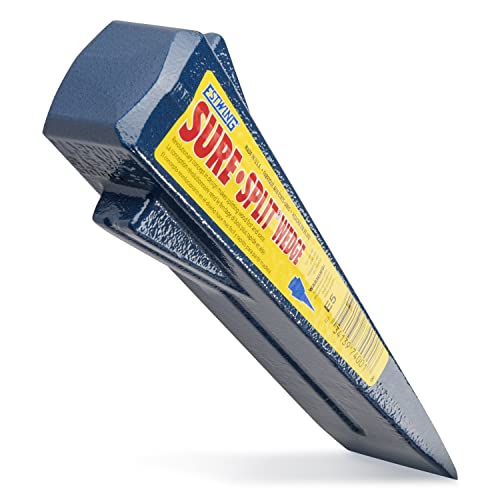
ESTWING Sure Split Wedge – 5-Pound USA Made Wood Splitting Tool with Forged Steel Construction & 1-7/8" Cutting Edge – E-5
WOOD SPLITTING MADE EASY – The hefty 5 pound build of our splitting wedge makes splitting logs and…
As an affiliate, we earn on qualifying purchases.
As an affiliate, we earn on qualifying purchases.

XCZNAGS Wall Mounted Wood Splitter: Dual-Handle Manual Kindling Splitter with 6-Tooth Clamping, Heavy Duty Steel Log Splitter for Soft Firewood, Includes Gloves and Screws for Indoor and Outdoor Use
Wall Mounted Wood Splitter: Convenient and space-saving wall-mounted design. Ideal for use as a firewood splitter or kindling…
As an affiliate, we earn on qualifying purchases.
As an affiliate, we earn on qualifying purchases.