
You should resplit oversized pieces when they become difficult to handle safely, slow down your workflow, or risk damaging your tools and materials. Large sections can increase the chance of accidents and make aligning cuts more challenging. Resplitting helps your project stay safe, efficient, and precise. If you want to know more about timing and best practices for resplitting, keep exploring the key indicators and strategies involved.
Key Takeaways
- When the piece exceeds workspace or equipment capacity, making handling and cutting unsafe or impractical.
- If the material is unwieldy or difficult to maneuver, increasing risk during transportation or positioning.
- When large size hinders accurate or efficient cutting, causing workflow delays or inaccuracies.
- If excessive strain on tools or jigs threatens damage or compromises precision.
- As a proactive measure to improve safety, workflow, and overall project quality before issues arise.
When working with oversized pieces, resplitting them into smaller, manageable sections can substantially streamline your project. This process is essential whenever the current size hampers your ability to handle, transport, or assemble the material efficiently. The key to a successful resplit lies in understanding when to do it and how to approach it effectively, especially regarding size reduction and tool selection. You want to avoid unnecessary effort or damaging your material, so knowing the right timing is vital.
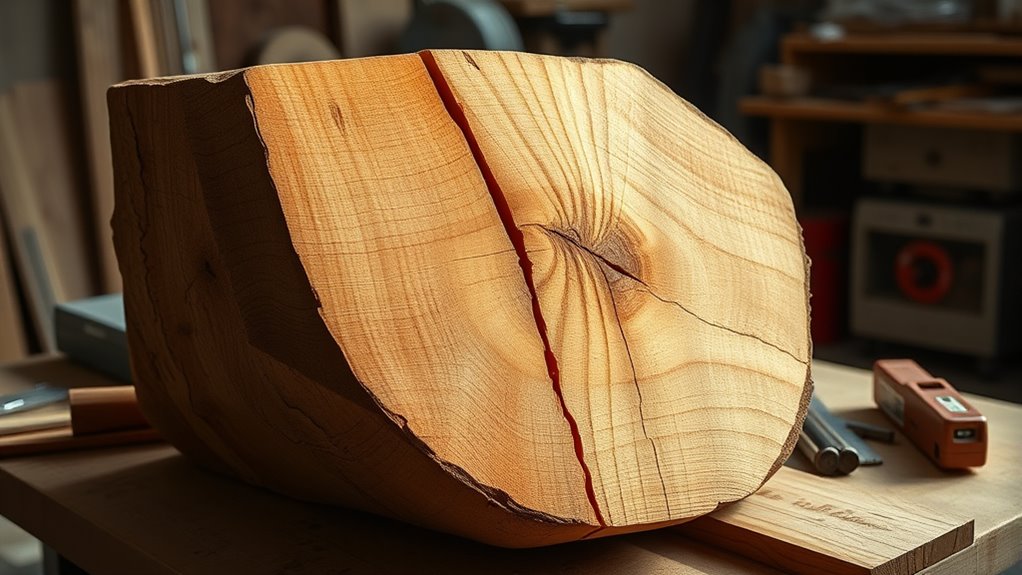
One clear indicator that you should resplit is when your current piece exceeds the capacity of your workspace or equipment. Oversized pieces can be unwieldy, making it difficult to maneuver or position them safely. In such cases, attempting to work with the entire piece can lead to accidents or damage. Additionally, if the size prevents you from moving the material through your tools or machinery, it’s time to consider resplitting. For example, if a panel is too large to fit into a saw or cutting device, breaking it down into smaller sections will facilitate smoother operations.
When your material exceeds workspace or equipment capacity, resplit for safety and efficiency.
Another sign is when the project’s workflow slows down markedly because of the piece’s size. Resplitting can help you maintain momentum, allowing you to focus on smaller sections that are easier to handle and process. It’s also beneficial if you notice stress or strain on your tools or the material itself, which could cause inaccuracies or defects. Overly large pieces put undue pressure on cutting blades or jigs, increasing the risk of uneven cuts or material failure. In such instances, size reduction becomes necessary to enhance precision and safety.
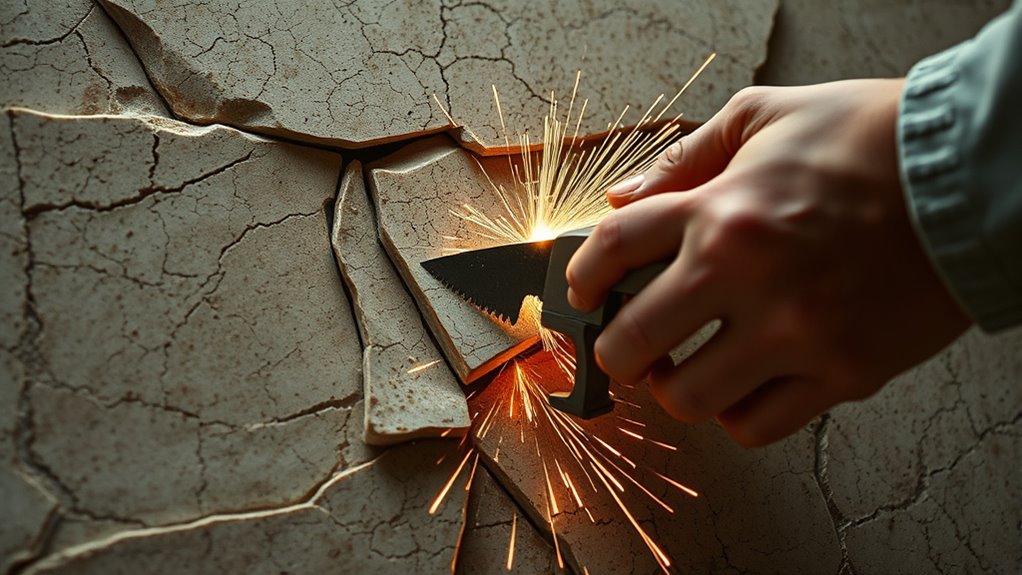
Choosing the right tools is integral to the resplitting process. Your selection depends on the material type, thickness, and the cut’s precision requirements. For hardwood or thick materials, power saws like circular saws or jigsaws with appropriate blades are ideal. For softer materials, hand tools such as utility knives or manual saws may suffice. The goal is to select tools that allow for clean, controlled cuts without compromising the material’s integrity. Sharp blades and proper safety equipment are non-negotiable, ensuring you get accurate results with minimal effort.
Timing your resplit efforts correctly saves you time and reduces frustration. When the piece becomes unmanageable, or when size constraints interfere with your workflow, it’s best to break it down sooner rather than later. This proactive approach, combined with careful tool selection, will streamline your project, keep your workspace safer, and produce higher-quality results. Resplitting oversized pieces isn’t just about size reduction; it’s a strategic step that enhances every phase of your work. Additionally, understanding the appropriate tools for your specific material can significantly influence the quality and safety of your cuts.
circular saw blades for hardwood
As an affiliate, we earn on qualifying purchases.
As an affiliate, we earn on qualifying purchases.
Frequently Asked Questions
How Do I Determine the Optimal Split Size?
To determine the most suitable split size, you should consider your material’s integrity and production efficiency. Start by analyzing the material’s strength to prevent damage, then adjust the split size to balance ease of handling with minimizing waste. Experiment with different sizes, monitor the quality, and track your production speed. This approach helps you find the perfect split size that maintains material integrity while maximizing efficiency.
What Tools Are Best for Resplitting Oversized Pieces?
You should use sharp scissors, utility knives, or specialized resplitting tools for resplitting oversized pieces. Choose tools based on the material’s thickness and texture—scissors work well for softer fabrics, while knives are better for tougher materials. Confirm your tools are clean and precise to achieve clean cuts. Proper tool selection and effective resplitting techniques help you split oversized pieces accurately, preventing damage and ensuring a neat finish.
Can Resplitting Weaken the Material?
While gentle handling suggests resplitting might momentarily challenge material strength, skilled splitting techniques minimize this risk. If you use proper tools and careful methods, resplitting won’t considerably weaken the piece. In fact, precise techniques preserve the integrity of the material, allowing you to refine your work without sacrificing strength. Trust your tools and approach, and you’ll maintain the resilience of your material through careful, deliberate resplitting.
How Often Should I Resplit Oversized Pieces?
You should resplit oversized pieces when you notice splitting happening too frequently, which can affect material durability. Typically, if splitting occurs more than once or twice during use, it’s time to resplit. Regularly monitor the splitting frequency, and don’t wait until the material weakens considerably. Resplitting at appropriate intervals helps maintain the piece’s integrity and prolongs its lifespan, ensuring consistent performance and durability.
Are There Risks Associated With Over-Resplitting?
Think of over-resplitting as weakening the foundation of a house. You risk compromising material integrity, which could lead to safety hazards. Over-resplitting can cause cracks or breakage, making your project unsafe or less durable. Always follow safety precautions and resplit only when necessary. Too much resplitting can diminish strength, so strike a balance to maintain safety and longevity in your work.
Conclusion
When you notice oversized pieces, don’t hesitate—resplit them to guarantee quality, efficiency, and safety. Resplit to prevent jams, to improve handling, and to maintain consistency. Resplit to save time, reduce frustration, and keep your workflow smooth. By taking action at the right moment, you stay in control, prevent problems, and keep your project on track. So, resplit when needed, resplit with purpose, and resplit to keep everything running seamlessly.