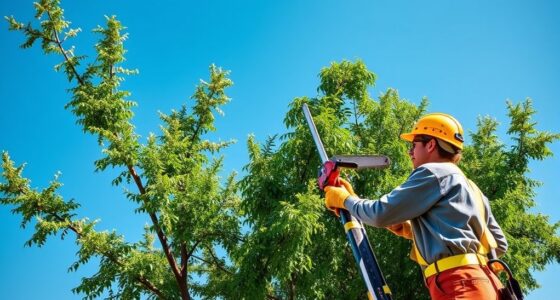

To make flush cuts without kickback, wear proper safety gear like gloves, goggles, and ear protection. Use a sharp, quality chainsaw and hold it firmly with both hands, keeping the nose clear of debris. Cut gradually, starting shallow and deepening slowly, always staying below shoulder height to prevent kickback. Maintain control and patience, and clear the area of bystanders. Continuing further will uncover more tips to make sure safe and effective stump removal.
Key Takeaways
- Use a sharp, well-maintained chainsaw and hold it firmly with both hands for control.
- Make shallow, controlled cuts, gradually deepening to minimize kickback risk.
- Keep the chainsaw’s nose clear of debris and avoid cutting above shoulder height.
- Wear appropriate safety gear, including gloves, goggles, and ear protection, to prevent injury.
- Clear the area of bystanders and pets before beginning, and proceed slowly for safety and precision.
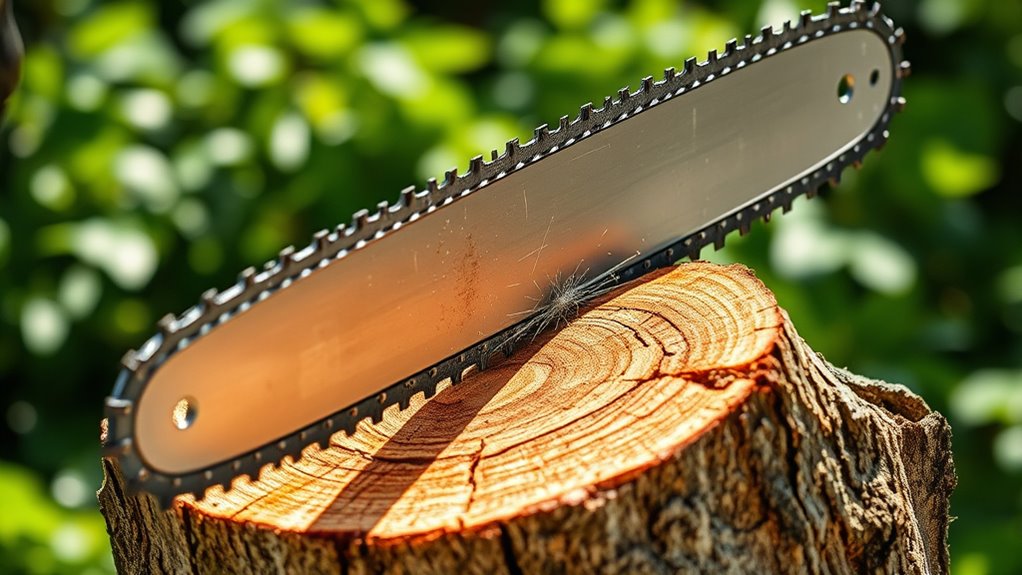
Stump cutting is an essential step in tree removal and landscape maintenance that helps restore your yard’s appearance and safety. When tackling this task, your first priority should be safety gear. Protecting yourself from flying debris, wood splinters, and potential accidents is crucial. Wear sturdy gloves, safety goggles, ear protection, and a helmet if necessary. Proper safety gear minimizes the risk of injury and makes the process more manageable. Once you’re equipped, focusing on effective cutting techniques becomes your next step. Using the right methods ensures a flush cut, which not only looks cleaner but also prevents the stump from causing problems later.
Prioritize safety gear and proper cutting techniques for clean, safe stump removal.
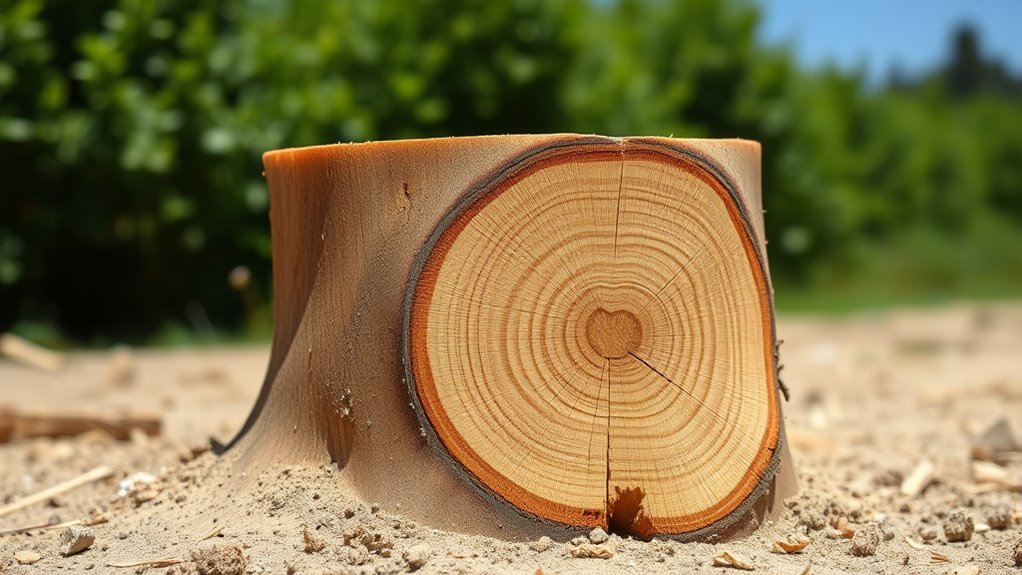
To achieve flush cuts without kickback, start by examining the stump’s surface. Your goal is to cut as close to the ground as possible without damaging the surrounding area. Use a chainsaw with a sharp chain designed for wood cutting. A dull chain can cause uneven cuts and increase the risk of kickback, so always check and sharpen your chain before beginning. When cutting, hold the chainsaw firmly with both hands to maintain control, and keep your body balanced. Position yourself so that the chainsaw’s bar is level with the ground, and make steady, controlled cuts. Avoid forcing the chainsaw through the wood; instead, let the saw do the work.
Pay attention to your cutting technique. Start with a shallow cut around the perimeter of the stump, then gradually deepen it with successive passes. This approach reduces the chance of the saw binding or kicking back. Keep the saw’s nose clear of debris and avoid cutting above shoulder height to prevent kickback, which can be dangerous. If the stump is particularly tough, consider using a wedge or a specialized stump cutter for added leverage and precision. These tools help you maintain control and ensure a flush cut without causing unnecessary kickback or damage. Additionally, understanding the importance of regular maintenance on your equipment can help prevent issues like dull blades or improper functioning that could compromise safety and efficiency.
Throughout the process, remain aware of your surroundings. Clear the area of bystanders and pets, and never rush your cuts. Patience and precision are key to a safe and clean removal. Once you’ve made a flush cut, you can proceed with grinding the remaining stump or removing it entirely, confident that your cuts are safe, precise, and effective. By combining proper safety gear with correct cutting techniques, you’ll ensure your stump removal is thorough, safe, and leaves your yard looking tidy and professional.
Frequently Asked Questions
What Safety Gear Is Recommended for Stump Cutting?
You should always wear protective eyewear and hearing protection when stump cutting. Protective eyewear shields your eyes from flying debris, while hearing protection reduces noise-induced hearing loss. Safety gloves and sturdy clothing are also recommended to prevent cuts and scrapes. By using this gear, you minimize risks of injury and guarantee a safer cutting experience. Always double-check that your safety equipment fits properly before starting the job.
How Long Does a Typical Stump Take to Cut?
Typically, stump grinding takes about 15 to 30 minutes depending on the stump’s size and density. You should always prioritize safety precautions during the process—wear protective gear, maintain a firm grip, and operate the grinder carefully. Keep in mind, patience prevents accidents. With the right tools, techniques, and safety measures, you can efficiently eliminate stumps without risking kickback or injury.
Can Stump Cutting Be Done Indoors?
Yes, you can do indoor stump removal, but it requires special indoor grinding techniques. You’ll need a portable stump grinder designed for indoor use, which minimizes dust and noise. Make sure to clear the area of obstacles and wear proper safety gear. Indoor stump removal is convenient for smaller stumps, but for larger ones, it’s best to hire professionals who can safely handle the grinding process without damaging your home.
What Are the Environmental Impacts of Stump Grinding?
Ever wondered how stump grinding affects the environment? It primarily causes soil disturbance, which can lead to erosion and loss of nutrients. You might also consider the wildlife impact, as disturbing the soil and removing stumps can disrupt habitats. While it’s a practical solution, being mindful of these effects helps you minimize environmental harm. Proper planning and eco-friendly practices allow you to manage stumps responsibly without compromising the environment.
Are There Any Legal Restrictions for Stump Removal?
Yes, there are legal restrictions you should be aware of when it comes to stump removal. Local stump removal laws vary, so you need to check your city or state regulations before starting. Some areas require permits, especially if you’re using heavy machinery or if the stump is near utilities or protected trees. Ignoring these legal restrictions can lead to fines or other penalties, so always research and follow the rules.
Conclusion
Now that you know how to make flush cuts safely without kickback, aren’t you ready to tackle those stubborn stumps confidently? With the right techniques and tools, you can avoid accidents and get the job done efficiently. Remember, safety always comes first—so why risk unnecessary injuries? Keep practicing, stay cautious, and soon stump cutting will feel like second nature. Are you prepared to handle your next project with skill and safety?