
To get your 2-stroke engine running smoothly, you need the right fuel-to-oil ratio, typically 50:1 or 40:1, depending on the manufacturer. Use a clean container to mix gasoline first, then add oil accurately based on the recommended ratio. Shake well for even distribution, and always double-check premixed fuel if you buy it already mixed. Following these tips helps your engine perform better and last longer—stay with us to learn more detailed mixing tips and safety practices.
Key Takeaways
- Follow manufacturer-recommended ratios (e.g., 50:1 or 40:1) for optimal engine performance.
- Use a clean, calibrated container to measure and mix fuel and oil thoroughly.
- Mix gasoline first, then add oil, and shake well to ensure even distribution.
- Store premixed fuel safely in labeled, approved containers away from heat or flames.
- Verify the correct oil ratio before use to prevent engine damage and ensure efficient operation.
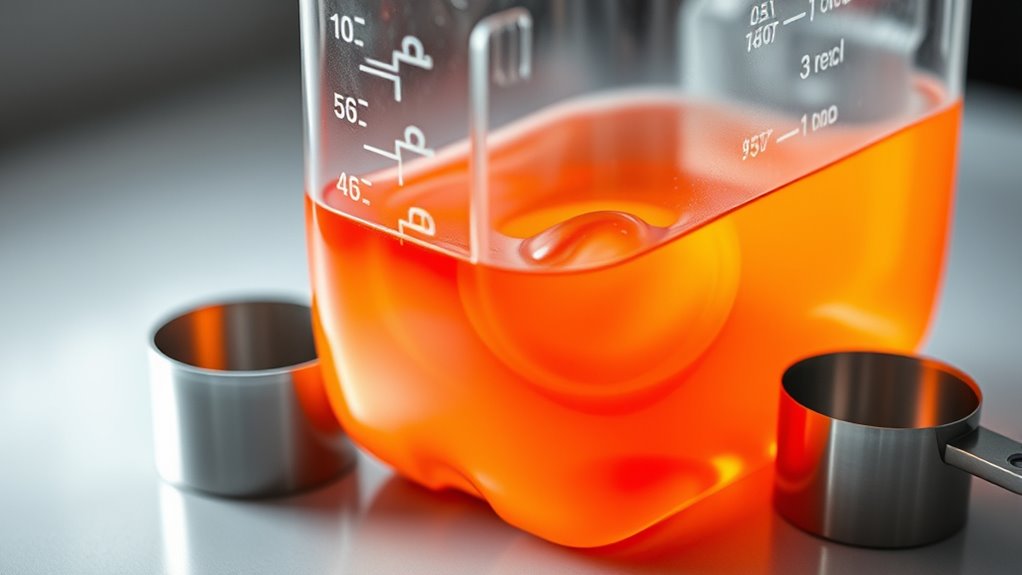
A proper 2-stroke fuel mix is vital for optimizing your engine’s performance and longevity. When you’re preparing your fuel, paying close attention to the oil ratio is critical. The oil ratio determines how much oil is mixed with the gasoline, directly impacting engine lubrication and overall function. Too much oil can cause carbon buildup and smoky exhaust, while too little oil risks engine damage from insufficient lubrication. Typically, manufacturers recommend ratios like 50:1 or 40:1, so always check your equipment’s manual to verify you’re using the correct mixture.
Getting the right oil ratio isn’t just about accuracy; it’s about consistency. That’s where proper mixing techniques come into play. To achieve a uniform mixture, start with a clean, calibrated container. Pour the gasoline first, then add the exact amount of oil based on the recommended ratio. For example, if you’re mixing a 50:1 ratio, add 2.6 ounces of oil per gallon of gasoline. Use a measuring cup or a graduated container to be precise. Once you add the oil, shake or stir the mixture thoroughly until the oil is evenly dispersed throughout the fuel. This ensures every bit of fuel contains the right amount of lubrication, preventing engine issues caused by uneven oil distribution.
Another key mixing technique involves mixing your fuel in a well-ventilated area and using appropriate safety gear, like gloves and eye protection. Never mix gasoline near open flames or sparks, and always store the mixture in approved containers to avoid leaks or accidents. When you’re finished, label your fuel container clearly and keep it out of reach of children or pets. It’s also wise to prepare only as much fuel as you need for your upcoming tasks, so you don’t have to store it longer than necessary.
If you’re using premixed fuel, double-check that it adheres to the right oil ratio specified by your engine manufacturer. If you’re mixing your own fuel, take your time to ensure accuracy. Small errors in mixing techniques or oil ratios can lead to poor engine performance, increased emissions, or damage over time. Consistency and careful measurement are your best tools for maintaining a healthy, efficient 2-stroke engine. Remember, a well-mixed fuel not only boosts power and responsiveness but also prolongs the life of your equipment, saving you money and hassle in the long run.
Frequently Asked Questions
Can I Use Different Oil Brands Interchangeably?
Yes, you can use different oil brands interchangeably, but you need to take into account oil brand compatibility to ensure proper engine performance. Always check if the brands recommend similar formulations and additives to avoid issues. Mixing oils inconsistently can affect oil mixing consistency, leading to poor lubrication or engine damage. To keep things smooth, stick to brands with compatible specs or use the same brand for consistent results.
How Often Should I Check the Fuel Mixture?
You should check your fuel mixture every time before use to guarantee ideal performance. Regularly inspecting the mixture helps maintain fuel stability and prevents engine problems. When storing fuel, follow storage tips like using airtight containers and adding stabilizers if you’re not using it soon. This way, you keep the mixture fresh, avoid carburetor issues, and ensure your equipment runs smoothly whenever you need it.
What Are Signs of an Incorrect Fuel Mix?
Think of your engine as a delicate dance partner; if the fuel mix is off, the performance falters. Signs of an incorrect fuel mix include difficulty starting, inconsistent engine performance, smoke or a strange smell, and excessive fouling of spark plugs. When your mixture isn’t consistent, your engine struggles to run smoothly. Keep an eye on these signs to make certain your engine stays in harmony, delivering steady power and reliable operation.
Can I Reuse Old Fuel Mixes?
You shouldn’t reuse old fuel mixes because fuel stability decreases over time, which can cause engine problems. If you must store fuel, use airtight containers and add a fuel stabilizer to extend shelf life. When considering reuse, check for signs of separation, sediment, or a foul smell. Always freshen up your mix regularly, and follow storage tips to keep your fuel effective and your engine running smoothly.
How Does Altitude Affect Fuel Mixture Ratios?
Altitude can totally throw off your engine’s performance, so you need to make altitude adjustments for your fuel mixture. Higher elevations mean thinner air, so you should lean out the mixture to prevent it from running too rich. Proper mixture optimization at different altitudes keeps your engine running smoothly and powerfully, preventing stalls or damage. Always adjust your fuel mix to match the altitude for peak performance and engine longevity.
Conclusion
Think of your 2-stroke engine as a fine-tuned dance partner; if you supply the right fuel mix, it moves smoothly and effortlessly. Get your ratios right, follow the tips, and your equipment will perform at its best. Like a well-choreographed routine, proper fuel mixing keeps everything running seamlessly, preventing stalls and damage. Stick to these guidelines, and you’ll keep your engine dancing happily for years to come.