
Choosing between beam kits and custom builds may seem simple now, but the real issues often surface later. Kits can save time but might compromise material quality or assembly precision, risking durability and safety. Custom builds take more effort but allow better control over materials and craftsmanship, enhancing longevity and strength. If you keep exploring, you’ll discover how these choices can impact your project well beyond the initial build.

Get business pricing on tools and workshop supplies
- Business-only prices and quantity discounts
- Tax-exempt purchasing
- Multiple users, one account, clear invoices
Key Takeaways
- Relying solely on kit instructions may lead to improper assembly, causing long-term structural issues.
- Using generic materials in kits can result in poor durability under environmental stresses.
- Overlooking detailed assembly techniques can compromise safety and load-bearing capacity.
- Choosing low-quality materials for cost savings may increase future repair or replacement costs.
- Failing to adapt construction to specific environmental conditions can reduce the structure’s lifespan.

Are you wondering whether to choose a pre-made beam kit or go for a custom build? This decision can profoundly impact your project’s durability, safety, and overall cost. Opting for a beam kit might seem easier and faster, but it’s vital to consider how material selection and assembly techniques play into the long-term success of your structure. A kit offers convenience, but it often comes with standardized materials that might not suit your specific needs or environmental conditions. Conversely, a custom build allows you to select high-quality materials tailored to your requirements, ensuring better performance and longevity.
Choosing between a pre-made kit and a custom build impacts durability, safety, and long-term cost considerations.
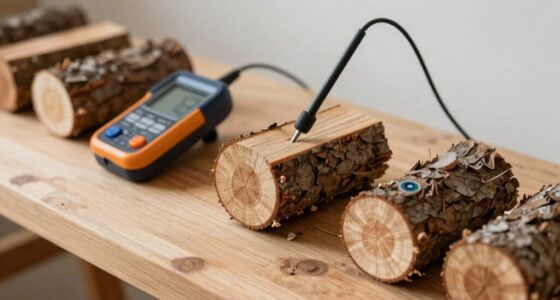
When choosing between these options, think about the importance of material selection. Pre-made kits usually come with factory-selected materials, which can be convenient but limit your control over quality and suitability. If you’re working in a climate with high humidity or extreme temperature fluctuations, you need materials that can withstand those conditions. Custom builds give you the opportunity to pick timber, steel, or other materials that match your environmental demands. This control over material selection ensures your beam can handle the load and stress it will face over time, preventing costly repairs or replacements later in the project. Incorporating appropriate materials is essential for ensuring your structure remains stable and durable in challenging conditions. Additionally, understanding building codes and standards can further influence your choice of materials and construction techniques. Recognizing the significance of material durability can help you make informed decisions to enhance your project’s longevity. Moreover, paying attention to environmental impact can guide you toward more sustainable material choices that benefit both your project and the planet.
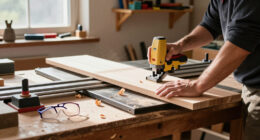
Assembly techniques also play an essential role. With a kit, assembly is often simplified through pre-cut pieces and detailed instructions, making it accessible for DIYers. However, this convenience can sometimes lead to compromises in the precision of assembly or the understanding of how the pieces fit together. A custom build demands more skill and attention to detail, but it allows you to adapt assembly techniques to optimize structural integrity. Proper joints, reinforcement methods, and fastening systems can be customized to suit your specific design and load requirements, ensuring the beam’s strength and stability.
Choosing a kit might save you time initially, but if you overlook the importance of proper material selection and precise assembly techniques, you risk encountering problems down the line. These issues can include warping, cracking, or even structural failure, which are costly and dangerous. A well-executed build involves careful planning and craftsmanship, significantly reducing these risks. On the other hand, investing in a custom build means you’re actively involved in selecting materials and overseeing assembly, reducing the chance of mistakes and increasing the lifespan of your structure.
Ultimately, the mistake that bites late is underestimating how vital material selection and assembly techniques are. Whether you opt for a kit or a custom build, understanding and prioritizing these factors ensures your project stands the test of time, giving you peace of mind and saving you money in the long run.
As an affiliate, we earn on qualifying purchases.
Frequently Asked Questions
How Do Beam Kits Compare in Durability to Custom Builds?
Beam kits generally have consistent beam strength because they’re manufactured with standardized materials, whereas custom builds can offer enhanced durability if you select high-quality materials and ensure proper material compatibility. However, if poorly assembled or using incompatible materials, custom builds might weaken over time. You need to take into account both beam strength and material compatibility carefully, regardless of whether you choose a kit or a custom option, to ensure long-term durability.
What Are the Hidden Costs of DIY Beam Customization?
You might overlook hidden costs of DIY beam customization, like additional expenses for improving beam aesthetics or fixing mistakes. A thorough cost analysis reveals these hidden costs, which can add up quickly. While customization seems affordable upfront, you may end up spending more on quality materials or professional help later. Be prepared for unexpected expenses that could strain your budget, making DIY projects more costly than they initially appear.
Can Beam Kits Be Modified After Installation?
Yes, you can modify beam kits after installation, but it’s tricky. Changes might affect beam aesthetics and compromise stability, so plan ahead. Follow proper installation tips, like ensuring secure connections and precise measurements, to make future modifications easier. If you want to adjust the beams later, consult a professional to avoid damaging the structure or compromising safety. Always prioritize safety and aesthetics when planning your modifications.
Which Materials Are Best for Long-Lasting Custom Beams?
For long-lasting custom beams, you’ll want to prioritize durable materials like steel or treated hardwood. Imagine a homeowner who chose pressure-treated oak; over time, the wood resisted rot and pests, maintaining its strength. When selecting beam materials, consider proper wood treatment to enhance longevity and weather resistance. This combination guarantees your beams stay sturdy and beautiful for years, reducing future repairs and replacements.
How Do I Avoid Common Mistakes in Beam Installation?
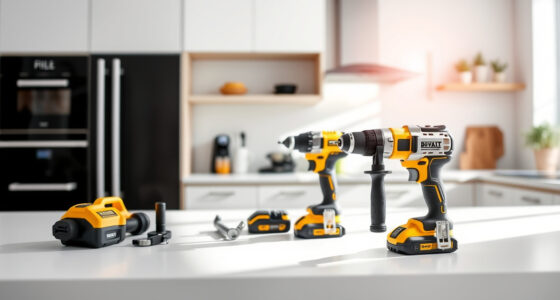
To avoid common mistakes in beam installation, prioritize beam safety by thoroughly inspecting your beams and ensuring they’re properly supported. Use the right installation tools—like levelers, drills, and clamps—to guarantee precision. Always follow manufacturer instructions and double-check measurements before securing. Taking your time and being meticulous helps prevent issues later, such as structural instability or misalignment, ensuring your custom build remains safe and durable long-term.
Conclusion
Choosing between beam kits and custom builds can be tricky, but rushing into a decision might lead to costly mistakes down the line. Think you’ve got it all figured out? Remember, taking the time to evaluate your needs and options guarantees you won’t regret your choice later. So, are you willing to gamble on a quick fix, or will you invest in a solution that truly fits your project’s future? The right decision starts with informed planning.
Halloween Picks
halloween
As an affiliate, we earn on qualifying purchases.