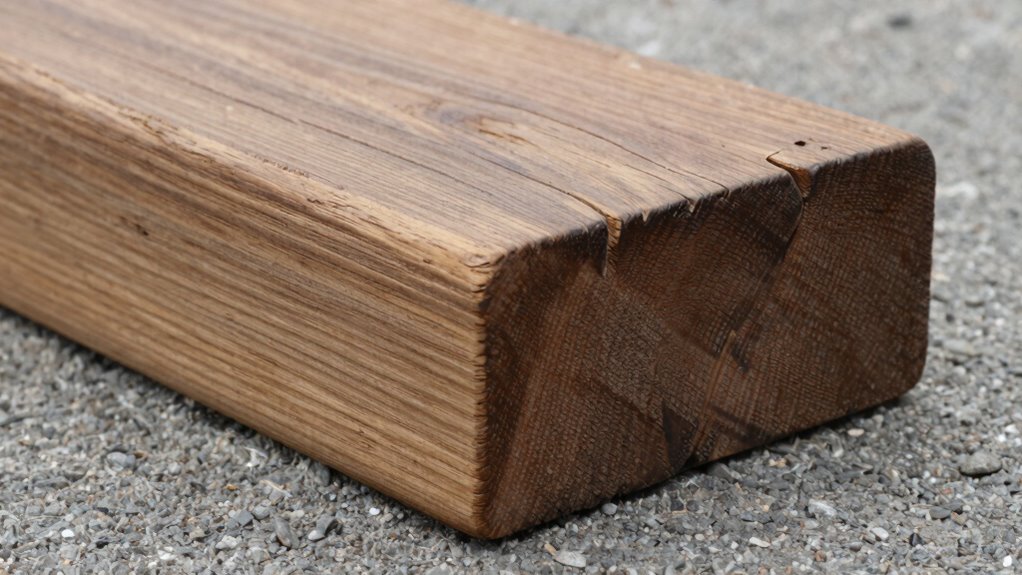

To build a splitting block base that won’t rock or sink, start by choosing a flat, stable surface like a concrete pad or compacted gravel. Make certain the foundation is at least four inches thick and level, then fasten the block securely using bolts or stakes. Regularly inspect and repair the base as needed, keeping it firm and level. For more detailed steps, you’ll discover tips that guarantee long-lasting stability and safety.

Get business pricing on tools and workshop supplies
- Business-only prices and quantity discounts
- Tax-exempt purchasing
- Multiple users, one account, clear invoices
Key Takeaways
- Choose a flat, stable location free of debris and loose soil for the base.
- Use a concrete pad or compacted gravel, ensuring it’s at least four inches thick and level.
- Anchor the splitting block securely with bolts or stakes to prevent tipping or shifting.
- Regularly inspect and maintain the base to ensure it remains level and firm over time.
- Keep the workspace organized and clear of obstacles to enhance safety and stability during use.

Ever wondered how to create a sturdy splitting block base that won’t wobble or collapse under pressure? Building a solid foundation is vital for safe and efficient firewood splitting. The first step is choosing the right location. Find a flat, level spot free of rocks, roots, or loose soil. A stable surface guarantees your splitting block won’t shift during use, reducing the risk of accidents. Once you’ve identified the spot, clear away debris and loosen the soil to improve stability further.
Next, consider the base material. Many wood splitters are placed on a concrete pad or a thick layer of compacted gravel. If using gravel, spread it evenly and tamp it down with a tamper or a heavy object to create a firm, level surface. For concrete, ensure it’s poured to a sufficient thickness—at least four inches—to withstand repeated impacts. If you don’t have a concrete pad, you can also create a custom base from a large, thick wooden platform. Just be sure it’s treated to resist rot and pests. Whatever material you choose, you want to ensure the base provides a stable working surface that prevents sinking or rocking when you’re applying force to split firewood. Additionally, inspecting the base regularly for signs of wear can help maintain long-term stability.
When positioning your splitting block, make sure it’s centered and stable. Some prefer to anchor the block to the ground using bolts or stakes, especially if they have to work in windy conditions or on uneven terrain. Anchoring adds an extra layer of safety and prevents the block from tipping over. Remember, safety precautions are vital when working with heavy tools and flying wood chips. Always wear eye protection, gloves, and sturdy footwear. Keep your workspace clear of obstacles and bystanders, and never stand directly over the splitting area to avoid injury if the wood unexpectedly shifts or splits unexpectedly. Regularly checking the base stability can help prevent accidents and ensure your workspace remains safe.
In terms of firewood stacking, neatly stacking the split wood nearby not only keeps your work area organized but also minimizes the risk of tripping hazards. Proper firewood stacking ensures easy access and reduces clutter that could cause accidents. As you work, focus on maintaining good posture and using controlled, deliberate strikes. Regularly check the stability of your base, especially if you notice any wobbling or shifting. A well-built, stable base not only makes your splitting safer but also makes the task more efficient and less tiring. Ensuring your workspace has a firm foundation can make all the difference in your overall safety and efficiency. By investing time in creating a solid foundation, you guarantee your firewood splitting sessions are safer, smoother, and more productive.
As an affiliate, we earn on qualifying purchases.
Frequently Asked Questions
What Materials Are Best for Building a Splitting Block Base?
For building a splitting block base that won’t rock or sink, choose materials with high durability like concrete or treated hardwood. These materials withstand weather and heavy use effectively. Make certain you dig a sufficient foundation depth—at least 12 inches—so your base remains stable. Properly compacted gravel beneath the blocks also helps prevent shifting, providing a solid foundation. This combination guarantees a sturdy, long-lasting splitting block base.
How Do I Prevent the Base From Shifting Over Time?
Think of your base as a steady ship on calm seas; to prevent shifting, focus on foundation leveling and soil compaction. You should thoroughly prepare the ground, ensuring it’s firm and even, like a well-tuned instrument. Using gravel or crushed stone beneath the blocks helps distribute weight evenly. Regularly inspect and relevel if needed, keeping your structure grounded. Properly prepared soil acts as an unyielding anchor, preventing future shifts.
Can I Customize the Size of the Splitting Block Base?
Yes, you can customize the size of your splitting block base. When designing, consider your specific needs and space constraints, adjusting dimensions accordingly. Think about aesthetic options to match your surroundings or personal style, such as choosing different materials or finishes. Make certain your design considerations include stability and functionality, so the base remains secure and level over time. Custom sizing allows you to create a perfect, tailored foundation for your project.
What Safety Precautions Should I Take During Construction?
Working on your project is like walking a tightrope—you need focus and caution. First, hazard identification is key; spot potential risks like falling tools or unstable materials. Always wear safety gear, including gloves, goggles, and a helmet, to protect yourself. Keep your workspace tidy to prevent trips and falls. Follow all safety guidelines and take your time to make certain safe construction, so your project stays sturdy and your work safe.
How Do I Maintain the Stability of the Base?
To maintain the stability of your splitting block base, focus on proper foundational techniques like leveling and compacting the soil before placement. Make certain the blocks are tightly fitted and aligned correctly. Consider environmental factors such as drainage and soil moisture—adding gravel or drainage pipes can prevent sinking or shifting due to water. Regularly inspect and adjust the blocks as needed, especially after heavy rains, to keep the base stable and secure.
Conclusion
So, there you have it—your foolproof plan to create a splitting block base so stable, it’ll outlast even your most stubborn neighbor’s gossip. With just a little effort and some clever design, you’ll have a foundation that refuses to wiggle or sink, no matter how much you test it. Who knew building a rock-solid base could be so satisfying? Now, go forth and conquer, knowing your splitting block is practically invincible—at least until the next weather forecast.
Fall yard work Picks
leaf blowers
As an affiliate, we earn on qualifying purchases.