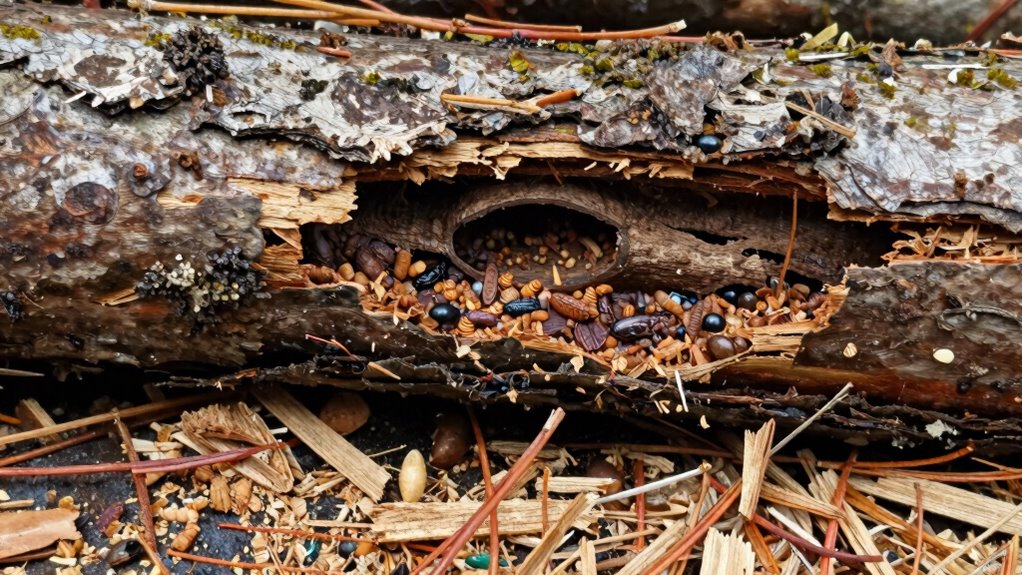

Firewood pests are mainly a storage problem because pests are attracted to damp, poorly stored wood. When wood isn’t kept dry and well-ventilated, it creates the perfect environment for insects like beetles, termites, and ants to thrive. Moisture fosters mold and pest growth, while miss-managed storage allows pests to hide and multiply. By storing your firewood properly, you can prevent infestations and protect your home—keep going to discover effective storage tips and pest prevention strategies.

Get business pricing on tools and workshop supplies
- Business-only prices and quantity discounts
- Tax-exempt purchasing
- Multiple users, one account, clear invoices
Key Takeaways
- Pests are attracted to damp, poorly stored firewood, making storage conditions critical for prevention.
- Moisture in stored wood creates an ideal environment for insects like beetles and termites.
- Proper storage practices, such as elevating and covering wood, reduce pest infestations.
- Regular inspection of stored firewood helps detect and address pest activity early.
- Keeping firewood dry and well-ventilated minimizes pest attraction and growth.
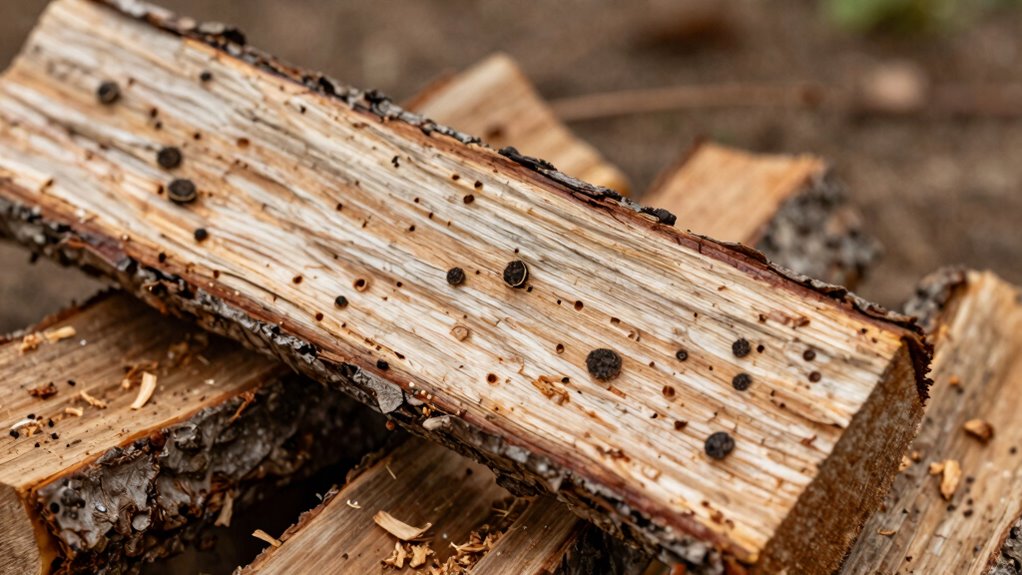
Have you ever wondered what pests might be hiding in your firewood before you burn it? If you’re not careful, your firewood storage can become a breeding ground for unwanted critters. Many pests are attracted to damp, poorly stored wood, which highlights the importance of moisture control. When wood is exposed to moisture, it creates a perfect environment for insects like beetles, termites, and ants to thrive. Keeping your firewood dry isn’t just about preventing mold; it’s a key step in pest management. If you notice your stored wood feels damp, it’s time to take action. Using a raised platform or keeping the wood covered with a waterproof tarp can drastically reduce moisture levels. Proper ventilation also helps, allowing air to circulate and dry out the wood. When you’re diligent about moisture control, you make it less inviting for pests to settle in and multiply. Additionally, understanding how pests are attracted to moisture can help you develop better storage habits. Recognizing the signs of infestation**, such as tiny holes or sawdust, is essential for early detection. Regularly inspecting your firewood for these signs** can prevent larger infestations and reduce the risk of pests spreading into your home.
Understanding pest identification is equally essential. By knowing what pests to look for, you can catch problems early before they spread into your home. Tiny holes in the wood, sawdust, or frass (insect droppings) are signs that pests are active inside your firewood pile. Some insects, like bark beetles, bore into the wood, leaving behind small exit holes. Others, such as termites, may cause more extensive damage, which can be harder to detect until the problem worsens. Recognizing these signs allows you to take prompt action, whether it’s removing infested pieces or treating the wood. You might also notice adult insects crawling around or emerging from the wood when you’re handling it. Pest identification helps you determine the severity of the issue and the best course of action to prevent pests from entering your home. In addition, understanding the life cycles of pests can assist in timing your treatments more effectively and prevent future infestations. Remember, many pests are most active during specific seasons, which makes timely intervention crucial.
Ultimately, most firewood pests aren’t a problem if you manage your storage properly. It’s about controlling moisture and being vigilant in pest identification. When you store your wood in a dry, well-ventilated area, pests find less reason to invade. Regularly inspecting your firewood for signs of infestation allows you to catch issues early, saving you from potential damage inside your home. You don’t want to deal with pests spreading from your firewood to your furniture or walls. Keeping these factors in mind helps you enjoy your firewood safely, without the worry of pests quietly taking up residence. Proper storage isn’t just about convenience; it’s about protecting your home and health from unwanted pests.
As an affiliate, we earn on qualifying purchases.
Frequently Asked Questions
How Can I Prevent Pests Before Storing Firewood?
To prevent pests before storing firewood, start with proper stacking to keep it off the ground and guarantee good airflow. Seasonally dry your firewood by letting it sit for at least six months, which helps eliminate pests and reduces moisture. Cover the top to protect from rain, but leave sides open for ventilation. Regularly inspect your firewood for signs of pests, and promptly remove any infested pieces to keep pests away.
Are All Pests Harmful to My Home or Health?
Not all pests are a cause for concern, but some can quietly influence your indoor air quality through their pest behavior. While many pests are harmless, certain ones may carry allergens or transmit illnesses, risking your health. You should stay vigilant, especially around stored firewood, as pests might quietly infiltrate your home. Regular inspection and proper storage help protect your living space from potential pest-related issues that could subtly affect your well-being.
What Are the Signs of a Pest Infestation in Firewood?
You’ll notice signs of a pest infestation in firewood through insect identification, such as small holes, sawdust, or tiny insects scurrying around. Look for wood that’s cracked or crumbly, which indicates pest activity. Understanding the pest lifecycle helps you recognize early signs, like larvae or eggs, before an infestation worsens. Regularly inspecting your firewood stack allows you to catch and manage pests before they spread.
Can Pests Transfer From Firewood to My House?
Yes, pests can transfer from firewood to your house. Pest species like beetles, termites, or ants often hitch a ride when you bring in infested firewood. If you don’t properly store or inspect your firewood, it increases infestation risks, allowing pests to escape into your home. To prevent this, keep firewood away from your house, and always check for signs of pests before bringing it inside.
How Long Should Firewood Be Stored to Avoid Pests?
You should store firewood for at least two weeks to minimize pests, as this allows most insects and larvae to emerge and be identified. Keep firewood dry, with moisture levels below 20%, to deter pests that thrive in damp conditions. Regular pest identification helps catch infestations early. Properly stored firewood reduces pest transfer chances and keeps your home safe, so monitor moisture and pests frequently during storage.
Conclusion
So, don’t let worries about pests turn you away from storing firewood. Properly stacking and inspecting your wood can prevent most infestations, and you don’t need fancy equipment—just a little care. Even if pests have already made their way in, quick action and patience can usually fix the problem. Remember, storing firewood the right way keeps your home safe and cozy, without turning into a pest problem you didn’t sign up for.
Fall Picks
fall essentials
As an affiliate, we earn on qualifying purchases.