
To deal wisely with rotten firewood you can’t burn, you should remove any visibly moldy or decayed pieces from your storage area, avoiding pest attraction. Dispose of the rot away from your property, preferably composting if safe, and guarantee healthy wood is stored properly. Keep the area clean and well-ventilated to prevent pests from settling. Staying proactive protects your home and yard—and if you keep going, you’ll discover even smarter tips.

Get business pricing on tools and workshop supplies
- Business-only prices and quantity discounts
- Tax-exempt purchasing
- Multiple users, one account, clear invoices
Key Takeaways
- Dispose of rotten firewood away from your property to prevent pest attraction and structural damage.
- Compost or recycle biodegradable rotten wood instead of burning it, to avoid smoke and creosote buildup.
- Regularly inspect stored firewood and remove any visibly moldy or decayed pieces promptly.
- Cover firewood properly to prevent moisture ingress, reducing chances of rot and pest infestation.
- Use the remaining good firewood efficiently while replacing or discarding the rotten portions responsibly.
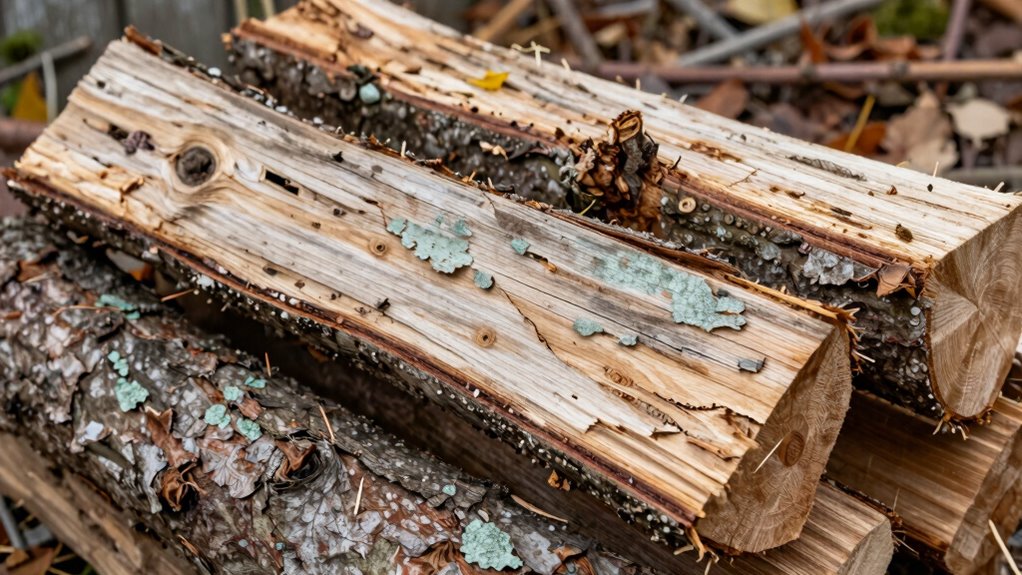
When you discover that your firewood has rotted and can’t be burned, it’s tempting to toss it out or let it sit unused. But before you do, consider a smarter approach that benefits you in the long run. Rotten firewood is often high in moisture, which not only makes it unsuitable for burning but also creates a perfect environment for pests. To avoid wasting good resources and prevent future problems, focus on moisture control and pest prevention. Properly managing your firewood storage can keep your yard tidy and your home safer.
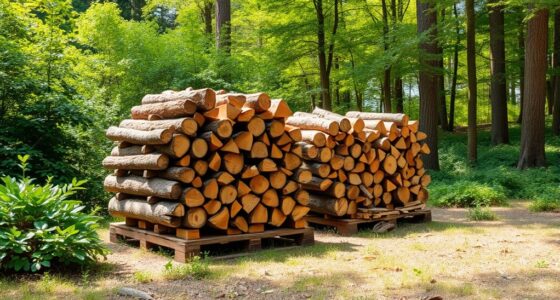
First, understand that moisture control is key. Firewood with high moisture levels is difficult to ignite, produces more smoke, and can cause creosote buildup in your chimney, increasing fire hazards. When firewood rots, it’s usually because it’s been exposed to excessive humidity or rain. To combat this, you should store your firewood off the ground on a pallet or rack, allowing air to circulate underneath. Cover the top with a waterproof tarp, but leave the sides open to promote ventilation. This setup helps moisture escape and prevents water from seeping into the wood, keeping it dry and more suitable for future use. Additionally, proper storage techniques help prevent pest infestations from developing in your woodpile. Regularly checking for signs of rot or mold can help you catch problems early before they escalate. Maintaining good ventilation is essential in reducing moisture levels and discouraging pests. Ensuring your firewood is fully seasoned before storage is another crucial step toward preventing rot.
Proper firewood storage keeps moisture out, promotes ventilation, and prevents rot and damage.
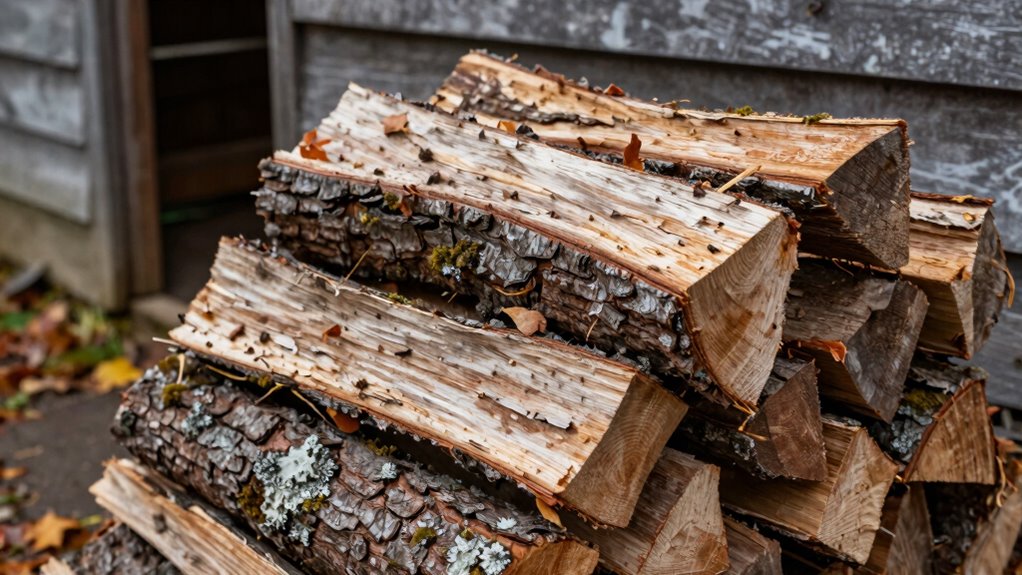
In addition, rot often attracts pests like termites, ants, and beetles, which can spread to your home or other structures. Rotten firewood becomes a breeding ground for these unwelcome visitors. To prevent pest infestations, remove any visibly rotten or moldy wood from your storage area. Don’t just toss it into the trash; consider composting if it’s biodegradable or thoroughly disposing of it away from your house. Regularly inspecting your firewood pile helps you catch and remove compromised wood before pests become a problem. Also, keep the area around your firewood stack clean and free of debris, which can harbor insects and pests. Furthermore, proper disposal methods for rotten wood can help reduce the risk of pest problems spreading beyond your yard.
As an affiliate, we earn on qualifying purchases.
Frequently Asked Questions
Can Rotten Firewood Attract Pests or Pests Infestation?
Rotten firewood can definitely attract pests and pose infestation risks. As the wood decays, it becomes a perfect habitat for insects like termites, beetles, and ants. These pests are drawn to the moisture and rot, making it easier for them to establish colonies. If you leave rotten firewood around, you’re increasing the chance of pests spreading to your healthy wood, home, or nearby structures. It’s best to dispose of it promptly to avoid these issues.
How Long Does It Take for Rotten Firewood to Decompose Naturally?
Imagine a fallen leaf, slowly returning to the earth—the decomposition timeline for rotten firewood varies from months to a year, depending on moisture, climate, and wood type. If you’re focused on firewood preservation, expect it to break down gradually, enriching the soil over time. Typically, it takes about 6 to 12 months for rotten firewood to decompose naturally, transforming into nutrient-rich humus.
Is It Safe to Burn Moldy or Rotten Firewood Outdoors?
Burning moldy or rotten firewood outdoors isn’t safe because it risks releasing mold spores and harmful fumes into the air, compromising firewood safety and mold prevention. Rotten wood burns inefficiently, produces more smoke, and can damage your fireplace or outdoor fire pit. To stay safe, always inspect your firewood for mold or rot before burning, and avoid using compromised wood to guarantee a cleaner, safer fire experience.
What Are Eco-Friendly Alternatives to Disposing of Rotten Firewood?
Rotten firewood is like wasted potential—you can give it a second life. You should explore eco-friendly recycling options, such as using it as mulch or through composting methods that break down the wood naturally. Composting transforms the wood into nutrient-rich soil, while recycling options like chipping or repurposing keep it out of landfills. These methods reduce waste and support sustainable gardening practices.
Can Rotten Firewood Be Repurposed for Other Uses?
Yes, you can repurpose rotten firewood for other uses. While it’s not ideal for burning, you can use it for firewood preservation by composting it to enrich garden soil or breaking it down for mulch. Proper firewood seasoning reduces moisture, but rotting indicates excess moisture. Instead, consider using it for crafts, habitat piles, or natural mulch, turning waste into a resource and supporting eco-friendly practices.
Conclusion
Instead of letting rotten firewood sit and decay like forgotten memories, transform it into something useful. Think of it as turning ash into a phoenix, rising from the remnants of what once was. Compost it to nourish new life or repurpose it creatively around your home. By doing so, you’re weaving a tapestry of sustainability—giving old firewood a second act—proving that even in decay, there’s a spark of potential waiting to ignite your eco-friendly spirit.
Halloween Picks
halloween
As an affiliate, we earn on qualifying purchases.