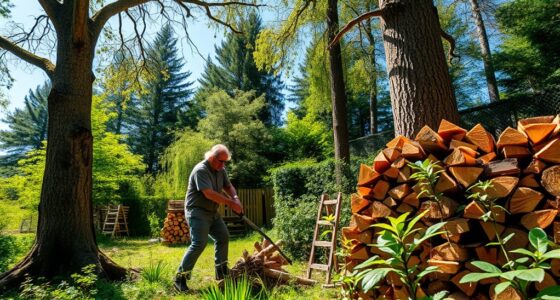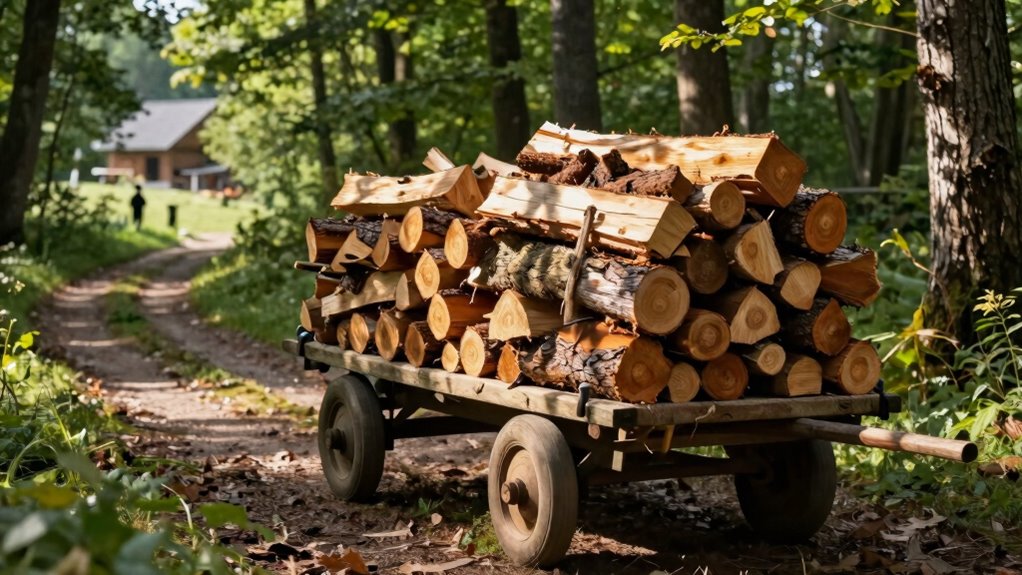

Moving firewood too far from home can unknowingly spread pests like beetles, borers, and ants, which often stay hidden until they establish new colonies. It also risks transferring tree diseases such as Dutch elm or sudden oak death, harming ecosystems and damaging healthy trees. Even a small amount of firewood can carry these threats and lead to widespread infestations. Staying within regional limits and following regulations helps protect forests—if you keep going, you’ll discover how to prevent this from happening.

Get business pricing on tools and workshop supplies
- Business-only prices and quantity discounts
- Tax-exempt purchasing
- Multiple users, one account, clear invoices
Key Takeaways
- Moving firewood long distances can introduce invasive pests and diseases to new environments.
- It increases the risk of pests like beetles or borers establishing in forests and urban trees.
- Long-distance transport can spread tree pathogens, causing widespread ecological damage.
- Ignoring regulations may result in fines and contributes to ecological contamination.
- Staying within recommended distances helps prevent the unintentional spread of pests and diseases.
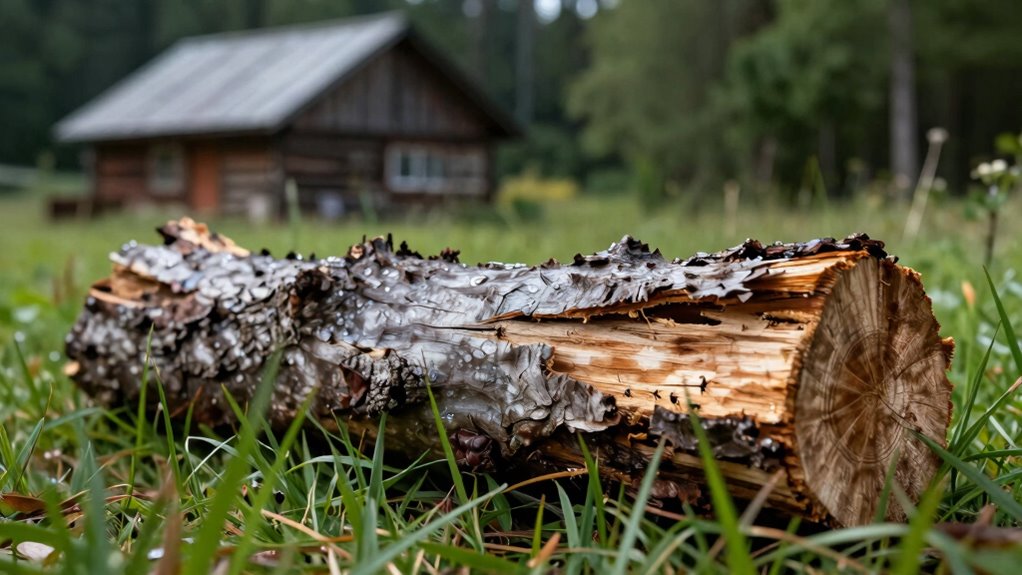
Moving firewood too far from your home can inadvertently introduce pests and diseases to new areas, risking damage to local trees and ecosystems. When firewood is transported without caution, it can carry pests such as beetles, borers, or ants that are hidden within the wood. These pests often remain unnoticed until they establish themselves in a new environment, where they can quickly multiply and cause serious problems. A single piece of infested firewood can lead to a pest infestation that spreads beyond your property, affecting nearby forests, parks, or urban trees.
In addition to pests, moving firewood over long distances can facilitate the spread of tree diseases. Many tree diseases hitch rides on firewood, especially those caused by fungi or bacteria that infect wood or bark. When you bring firewood from one region to another, you risk transferring these pathogens into healthy forests and landscapes. Once established, diseases like sudden oak death or dutch elm disease can devastate local tree populations, disrupting entire ecosystems and diminishing biodiversity. The consequences are severe because these diseases often spread rapidly once they find suitable hosts.
You might think that small quantities of firewood are harmless, but pests and diseases don’t recognize such boundaries. Even a few logs can serve as a vehicle for invasive species or pathogens to enter an area where they previously didn’t exist. The problem worsens if you move firewood frequently, as it increases the chances of accidental contamination. It’s tempting to transport firewood for camping or backyard projects, but doing so without proper precautions can have unintended ecological impacts. Following firewood regulations helps prevent the spread of these threats and protect the environment.
Additionally, many regions have regulations in place to prevent the spread of pests and diseases through firewood movement. Ignoring these rules not only risks harming the environment but can also lead to fines or penalties. Proper inspection and treatment of firewood before transportation can significantly reduce the risk of spreading invasive species and pathogens. By keeping firewood within a designated radius—typically 10 to 50 miles—you reduce the risk of introducing invasive pests or diseases into new areas. It’s a simple but effective step in protecting local forests and trees from long-term damage. Being aware of invasive species and how they spread is crucial for maintaining healthy ecosystems.
As an affiliate, we earn on qualifying purchases.
Frequently Asked Questions
How Far Is Too Far to Move Firewood Safely?
You should keep firewood within about 10-20 miles of your firewood storage to guarantee safe transportation. Moving firewood farther risks spreading pests or diseases, which can damage local trees and forests. For transportation safety, make sure the firewood is well-seasoned, securely loaded, and covered to prevent debris or pests from escaping. Staying within this range helps protect the environment and keeps your firewood safe and manageable.
Can Moving Firewood Spread Pests Accidentally?
Yes, moving firewood can accidentally spread pests if you’re not careful. Pests like beetles or larvae hide in the wood, so pest identification is essential before transport. To prevent this, always treat your firewood properly, such as kiln-drying or fumigation, and inspect it thoroughly. Moving untreated or infested wood risks introducing pests to new areas, which can harm local ecosystems and make pest control more challenging.
Are There Legal Restrictions on Firewood Transport?
Think of firewood laws as guardrails guiding your journey—yes, there are legal restrictions on firewood transport. You must follow rules about firewood storage and transportation safety to prevent pests and disease spread. These regulations vary by region and are designed to protect local ecosystems. Before moving firewood, check local regulations to make certain you’re compliant, and always choose sustainable practices to keep forests healthy and safe.
How Can I Identify Infested Firewood?
You can identify infested firewood by looking for pest signs like small holes, sawdust, or tunnels on the wood’s surface. Check for unusual insects, larvae, or eggs, especially in bark cracks or crevices. Pest identification is key—if you notice any of these infestation signs, it’s best to avoid moving that firewood, as it could spread pests to new areas. Always inspect closely before transport.
What Are the Penalties for Moving Firewood Illegally?
Moving firewood illegally can lead to hefty fines and legal penalties, especially if you overlook firewood certification requirements or cross quarantine zones. Authorities enforce strict regulations to prevent the spread of pests and diseases. If caught, you might face confiscation of your firewood, fines, or even criminal charges. Always guarantee your firewood is certified and stay within designated quarantine zones to avoid penalties and protect local ecosystems.
Conclusion
Moving firewood too far from home is like spreading unseen seeds of trouble. You might think you’re just transporting wood, but in reality, you’re risking the spread of pests and diseases that can devastate local forests. Keep your firewood close, like a trusted friend, to protect the environment. Otherwise, you could unintentionally turn your simple trip into a catalyst for ecological harm, much like releasing a storm in a calm sky. Stay vigilant, and keep nature safe.
Halloween Picks
halloween
As an affiliate, we earn on qualifying purchases.