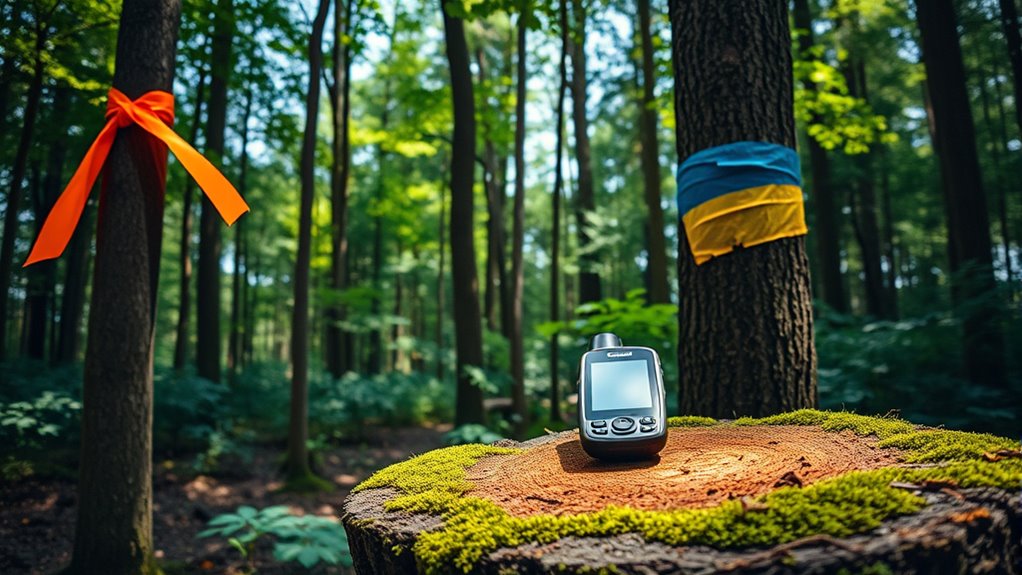

Choosing the right method to mark trees depends on your project’s duration, environmental concerns, and clarity needs. Paint offers high visibility and durability for short-term tasks but may harm the environment if not biodegradable. Flagging tape is low-impact and great for temporary use, while digital tools like GIS reduce physical disturbance and support long-term management. To weigh these options and find the best fit for your project, you’ll find more insights if you keep exploring.
Key Takeaways
- Painted markings are highly visible and durable for short-term projects requiring clear communication.
- Flagging tape offers a temporary, low-impact solution ideal for quick, short-term markings.
- GIS and digital mapping reduce physical disturbance, providing precise, long-term data management.
- Environmental considerations favor biodegradable paints and minimal flagging to protect ecosystems.
- Combining methods ensures effective, sustainable tree marking tailored to project duration and environmental impact.
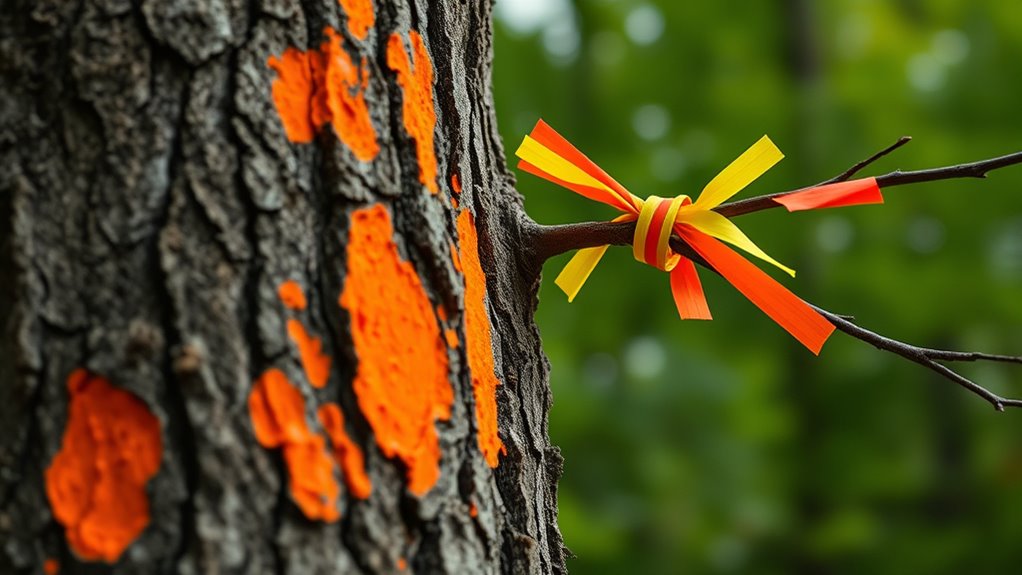
Marking trees is a traditional method used by hunters, hikers, and landowners to communicate specific information or boundaries. Whether you’re marking trees for timber harvests, trail routing, or property lines, understanding the various tree marking techniques is vital. These techniques include painted marks, flagging tape, and digital methods like GIS mapping. Each approach has its benefits and drawbacks, especially when considering their environmental impact. Your choice depends on the purpose, duration of the marking, and sensitivity of the environment.
Painted markings are perhaps the most visible and durable tree marking techniques. Using spray paint or brush-on paints, you can create clear, easily recognizable symbols or color codes. This method is effective for short-term projects or areas where visibility is vital. However, you need to be cautious about environmental impact. Some paints contain chemicals that can leach into the soil or harm local flora and fauna if used excessively or improperly. To minimize this, opt for environmentally friendly, biodegradable paints and limit the number of painted trees to reduce chemical runoff.
Painted tree markings are highly visible but should use biodegradable paints to reduce environmental harm.
Flagging tape offers a non-permanent, low-impact alternative. Tied loosely around the tree trunk, it provides quick visual cues without damaging the bark. Flagging is especially useful for temporary marking, like trail rerouting or survey boundaries. Its environmental impact is minimal, but you should be aware that brightly colored tape can sometimes be mistaken for wildlife or pose ingestion risks to animals if left in place long-term. Regularly removing or replacing flagging helps mitigate these issues and keeps the environment clean.
Digital tools like GIS (Geographic Information Systems) take marking to a higher level of precision and sustainability. Instead of physically marking trees, you record their locations electronically, which reduces physical disturbance and environmental impact. GIS allows you to map boundaries, habitat types, or management zones accurately. Using GIS data reduces the need for physical markings, thereby protecting tree bark and surrounding ecosystems from potential harm. Plus, digital records are easy to update, share, and analyze, making long-term management more efficient.
In addition, incorporating digital mapping into your strategy can improve long-term tracking and data management, reducing the need for repeated physical markings. No matter which method you choose, always consider the environmental impact of your tree marking techniques. Aim for solutions that communicate your message effectively while preserving the health of the ecosystem. By using environmentally conscious practices, you guarantee that your markings serve their purpose without causing unnecessary harm. Whether opting for paint, flagging, or digital mapping, your goal should be clear communication with minimal environmental footprint. This balance is key to sustainable land management and respectful interaction with nature.
Frequently Asked Questions
What Are the Environmental Impacts of Different Marking Methods?
You should consider that different marking methods impact the environment differently. Sustainable marking techniques, like flagging or GIS, minimize harm to wildlife and reduce chemical exposure. Paint can sometimes introduce pollutants, affecting plant and animal health, especially if not eco-friendly. By choosing wildlife considerations and environmentally conscious options, you help protect ecosystems, ensure regulatory compliance, and promote long-term conservation. Always evaluate your marking method’s environmental footprint before proceeding.
How Long Do Painted or Flagged Markings Typically Last?
Ever wondered how long your markings will last? Painted markings generally endure 1-3 years, depending on weather and environmental effects, but durability concerns can shorten this lifespan. Flagging might stay intact for a few months but is more susceptible to environmental effects like wind and rain. Are you prepared to update markings regularly to maintain accuracy? Both methods require ongoing maintenance, especially in harsh conditions, to guarantee safety and clarity.
Are There Legal Restrictions on Marking Trees in Certain Areas?
You should be aware that there are legal restrictions on tree marking in certain areas. These restrictions vary by location and purpose, such as protecting wildlife, water resources, or private property. Before marking trees, check local regulations and obtain any necessary permits. Unauthorized tree marking can lead to fines or penalties, so always guarantee your markings comply with legal requirements and respect environmental guidelines to avoid legal issues.
What Equipment Is Needed for Gis-Based Tree Marking?
To get started with GIS-based tree marking, you’ll need reliable GPS devices that offer high accuracy and durable equipment that withstands tough terrain. You’ll also require a smartphone or tablet with GIS software, a power source, and protective cases to keep your gear safe. With precise GPS accuracy and rugged equipment, you can effectively gather data, guarantee durability, and design detailed, digital tree maps with confidence and clarity.
How Do Marking Methods Vary Across Different Industries?
You’ll find that marking methods vary across industries like urban forestry, historical practices, and land management. In urban forestry, paint or flagging quickly identifies trees for removal or preservation, while historical practices might rely on paint for long-term records. GIS-based methods are increasingly used for precise, digital mapping. Each industry chooses its marking method based on factors like durability, clarity, and record-keeping needs, adapting techniques to suit their specific goals.
Conclusion
When it comes to marking trees, choosing between paint, flagging, or GIS depends on your project needs. Did you know that studies show flagging can last up to two years in ideal conditions, while paint often fades within a year? This makes flagging a cost-effective choice for short-term projects. Ultimately, select the method that balances visibility, durability, and budget to guarantee your markings serve their purpose effectively.