
To clear right-of-way without causing erosion, focus on careful vegetation management by trimming rather than clear-cutting and maintaining native plant cover. Use specialized equipment like mulchers or low-impact cutters to minimize soil disturbance and implement erosion control measures such as silt fences or planting native species afterward. Proper planning and techniques help protect soil stability and prevent runoff. Keep safety and environmental practices in mind, and you’ll discover more ways to guarantee effective, erosion-free clearing.

Get business pricing on tools and workshop supplies
- Business-only prices and quantity discounts
- Tax-exempt purchasing
- Multiple users, one account, clear invoices
Key Takeaways
- Use selective trimming and avoid clear-cutting to protect soil stability and reduce erosion risk.
- Implement erosion control measures like silt fences, mulch, or mats during and after clearing.
- Replant native vegetation promptly to stabilize soil and prevent runoff.
- Utilize specialized equipment designed to minimize soil disturbance and preserve terrain integrity.
- Assess terrain and weather conditions to plan clearing activities that prevent soil exposure and erosion.
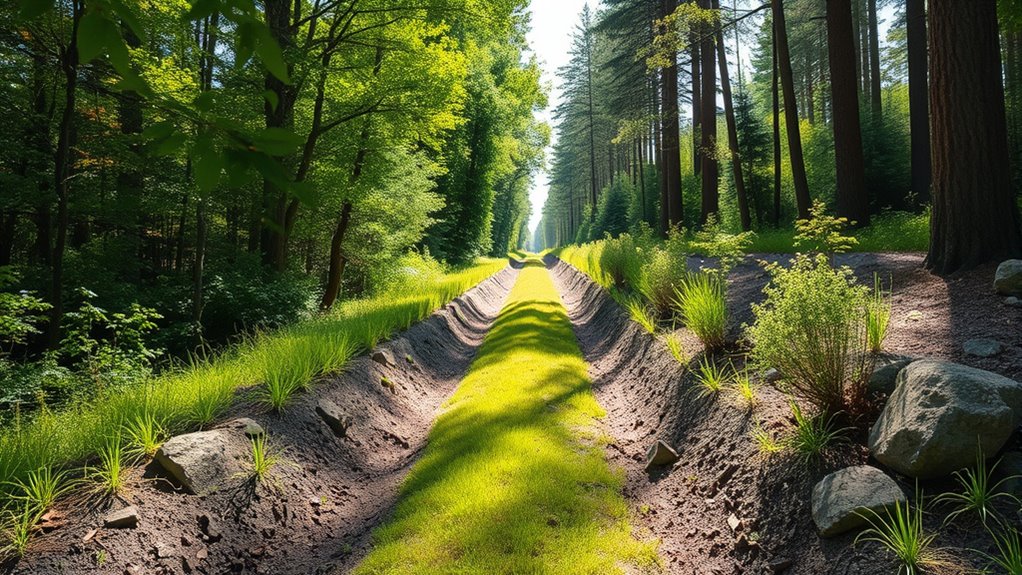
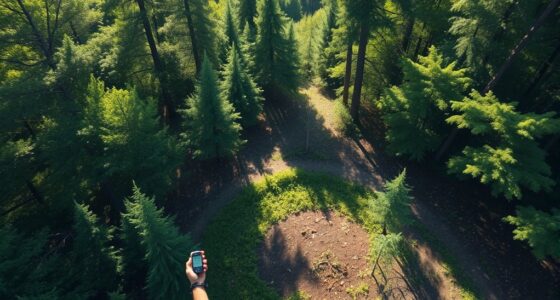
Right-of-way clearing is a critical process that guarantees safe and reliable access for utility lines, roads, and pipelines. When you undertake this task, effective vegetation management becomes a top priority. You need to carefully remove or trim trees, shrubs, and other plants that could interfere with utility infrastructure, but doing so without causing erosion requires a strategic approach. Proper vegetation management not only prevents outages and damage but also preserves the surrounding environment. You should focus on selectively clearing vegetation, avoiding indiscriminate removal that can destabilize soil. This involves understanding the types of plants in the area and their root systems, which help hold soil in place. By trimming rather than clear-cutting, you maintain plant cover that protects against erosion while ensuring clearance for utility access.
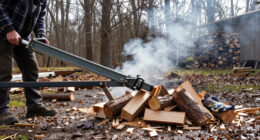
Equipment safety is another essential aspect of right-of-way clearing. Using the right tools and machinery minimizes risks both to you and the environment. When operating chainsaws, bulldozers, or brush grinders, you must follow safety protocols to prevent accidents. Proper maintenance of equipment reduces the likelihood of malfunctions that could lead to unsafe situations or environmental damage. Additionally, training on equipment use helps you identify potential hazards before they become serious issues. Safety gear, such as helmets, gloves, eye protection, and sturdy boots, should always be worn to protect yourself during clearing operations. You should also be mindful of the terrain and weather conditions, as these factors influence equipment stability and safety.
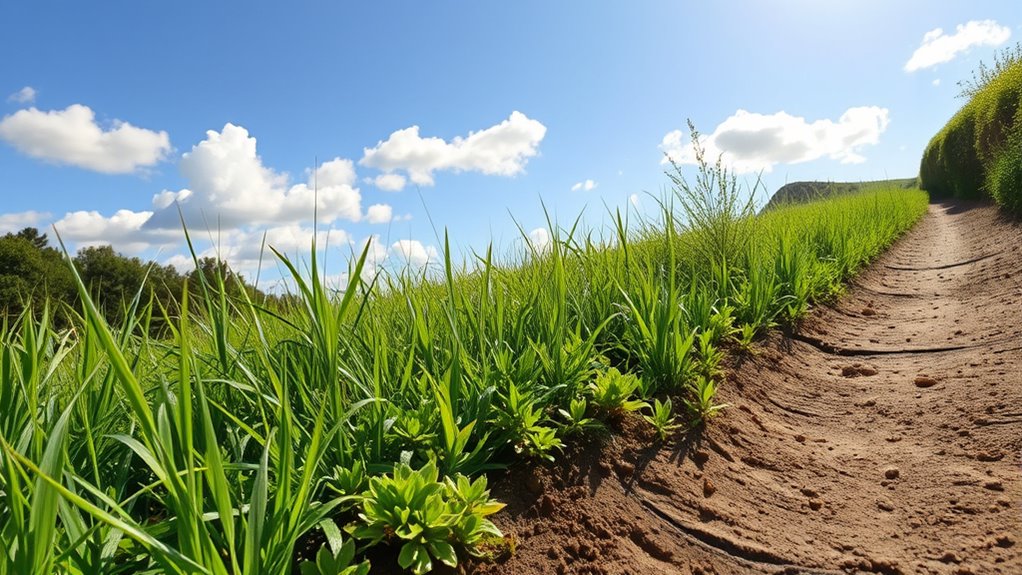
Furthermore, understanding soil stabilization methods can significantly reduce erosion risks during and after the clearing process. Balancing vegetation management with equipment safety ensures the process remains efficient and eco-friendly. You might consider using specialized equipment designed to minimize soil disturbance, such as mulchers or low-impact cutters. These tools help you clear vegetation effectively without tearing up the ground or causing erosion. When removing vegetation, it’s essential to use techniques that avoid leaving exposed soil vulnerable to runoff. For example, after clearing, you can replant native species or install erosion control measures like silt fences or matting to stabilize the soil. These steps prevent erosion and protect waterways from sedimentation, which can result from improper clearing practices.
As an affiliate, we earn on qualifying purchases.
Frequently Asked Questions
How Does Erosion Impact Nearby Water Quality?
Erosion can substantially harm nearby water quality by washing away soil, which increases sediment in water bodies. This sediment can clog fish gills, reduce sunlight penetration, and harm aquatic plants. When you maintain soil stability and retain vegetation, you help prevent erosion, keeping the soil in place and filtering runoff. This reduces pollutants reaching water, improving overall water quality and protecting aquatic ecosystems.
What Are the Long-Term Costs of Erosion Control Methods?
You’ll find that the long-term costs of erosion control methods, like vegetation reinforcement and sediment retention, are generally lower than ongoing repair and environmental cleanup. Investing in these strategies reduces future erosion, minimizes soil loss, and protects water quality. While initial expenses might be higher, the savings over time are significant, making proactive erosion control a cost-effective choice that preserves land stability and reduces ecological impacts.
Can Erosion Be Prevented in All Types of Soil?
Erosion can’t be prevented in all soil types, but you can minimize it through soil stabilization and vegetation planting. These methods strengthen the soil structure, reduce runoff, and protect against erosion. For highly erodible soils, combining techniques like mulching or installing barriers works best. By actively implementing these practices, you improve long-term stability and reduce erosion risk, regardless of soil type, ensuring healthier, more resilient landscapes.
How Do Climate Changes Influence Erosion Risks?
Climate changes increase erosion risks by intensifying weather events like heavy rains and storms. You need to focus on climate adaptation strategies to reduce these impacts. Implement erosion mitigation techniques such as planting cover crops, installing barriers, and improving drainage systems. Staying proactive helps protect your land from increased erosion, ensuring stability and reducing environmental damage. Adapting to climate change is essential for maintaining soil health and preventing future erosion problems.
Are There Legal Requirements for Erosion Management?
You can’t afford to overlook legal requirements for erosion management. Regulations often set strict standards for legal compliance and permitting requirements, ensuring erosion control measures are effective. Think of it as crossing your T’s and dotting your I’s—failure to meet these rules can lead to hefty fines or project delays. Always check local, state, and federal guidelines to stay on the right side of the law and protect your project from unnecessary risks.
Conclusion
By prioritizing erosion-friendly clearing methods, you protect the environment and maintain infrastructure integrity. Did you know that improperly managed right-of-way clearing can lead to up to 70% increased erosion risk? Staying mindful of these practices helps prevent costly damages and environmental harm. When you adopt erosion-conscious techniques, you’re not only safeguarding the land but also ensuring safer, more sustainable energy and communication corridors for the future.
Halloween Picks
halloween
As an affiliate, we earn on qualifying purchases.