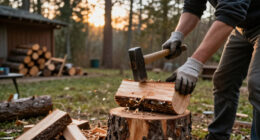
When tackling storm cleanup, prioritize using chainsaw triage to assess hazards quickly. Identify hanging branches, leaning trees, or cracks that could fall and handle the most dangerous first. Wear protective gear, follow safety protocols, and plan your approach carefully to prevent injuries. Use proper techniques to clear fallen trees efficiently, restoring community safety swiftly. For detailed strategies and safety tips, you’ll find it helpful to learn more about effective storm cleanup tactics.

Get business pricing on tools and workshop supplies
- Business-only prices and quantity discounts
- Tax-exempt purchasing
- Multiple users, one account, clear invoices
Key Takeaways
- Assess tree stability and identify hanging branches or cracks before using a chainsaw.
- Prioritize removing the most hazardous limbs or trees to prevent injury and property damage.
- Use proper chainsaw techniques, including stable stance and controlled cuts, for safety and efficiency.
- Wear appropriate protective gear and follow safety protocols during all chainsaw operations.
- Plan your cleanup approach to systematically eliminate hazards while maintaining safety and community recovery.

Have you ever wondered how communities recover quickly after a storm? One of the key factors is effective storm cleanup, especially when it comes to managing fallen or damaged trees. Trees can become dangerous hazards when storms hit, so understanding tree safety is essential. Before a storm, you should have an emergency plan that includes strategies for clearing debris safely and efficiently. This planning involves knowing which trees are at risk of falling or causing damage and how to handle them without putting yourself in danger. When storms arrive, swift action is critical, but rushing in without proper precautions can lead to injuries or further property damage. That’s why having a pre-established emergency plan is so important—it guides your actions and helps you prioritize tasks, making sure you focus on the most dangerous situations first.
In terms of tree safety, always evaluate the situation before attempting any cleanup. Look for hanging branches, leaning trees, or cracks in the trunks. If a tree appears unstable, it’s best to call professionals rather than trying to handle it yourself. Proper tools and techniques are key to safely managing fallen branches or trees. Using a chainsaw requires training and caution; it’s not a task to take lightly. When you do use a chainsaw, make sure you wear protective gear—gloves, eye protection, and sturdy clothing—and follow safety protocols diligently. Starting with a clear plan for how to approach each tree or branch ensures you minimize risks and maximize efficiency. Additionally, adequate gear and equipment are essential to ensure your safety during storm cleanup.
Your emergency planning should include having the right equipment ready and knowing who to call if a situation gets out of control. Establish a clear communication plan with neighbors and local authorities, so everyone knows how to coordinate the cleanup efforts. Clearing fallen trees quickly not only restores safety but also helps communities recover faster. Remember, safety always comes first—never compromise for speed. Properly evaluating the scene, understanding tree safety principles, and following a disciplined plan will guide your actions. This proactive approach reduces the chances of accidents and ensures that your storm cleanup is both effective and safe.
Products Worth Considering

Google Nest Doorbell (Wired, 2nd Gen) – Snow

Dyson Ball Animal 3 Corded Upright Vacuum

Coway Airmega 250 Air Purifier for Large Rooms
As an affiliate, we earn on qualifying purchases.
Frequently Asked Questions
What Safety Gear Is Essential During Storm Cleanup?
During storm cleanup, you need essential safety gear like protective clothing to shield your skin from debris and sharp objects. Respiratory masks are vital to avoid inhaling dust, mold, or harmful particles. Always wear sturdy gloves, eye protection such as goggles, and hearing protection if using loud equipment. This gear helps prevent injuries and health issues, ensuring you stay safe while clearing debris and handling chainsaws or other tools.
How Do I Identify Dangerous Tree Hazards?
You can identify dangerous tree hazards through careful tree risk assessment and hazard identification. Look for signs like dead or hanging branches, cracks in the trunk, or leaning trees. Check for root damage or fungi growth, which indicate instability. Always stay alert for shifting or movement in the tree. If you’re unsure about the risk level, consult a professional arborist to assess potential dangers and prevent accidents during cleanup.
What Are Eco-Friendly Disposal Options for Storm Debris?
Imagine turning storm debris into a garden treasure chest. You can mulch recycle by chipping branches into mulch, enriching your soil naturally. Composting options allow you to transform smaller branches and leaves into nutrient-rich compost for your garden. These eco-friendly disposal methods reduce waste, nourish your plants, and support sustainability. By choosing mulch recycling and composting, you give storm debris a new life, helping your landscape thrive while protecting the environment.
How Can I Prevent Future Storm Damage?
To prevent future storm damage, focus on storm preparedness by trimming trees regularly and securing loose structures. Strengthen your home’s foundation and roof to withstand high winds. Keep an emergency kit ready and review your insurance claims policy to guarantee coverage. By proactively addressing potential vulnerabilities and staying prepared, you reduce damage risk and simplify recovery, making your property more resilient against upcoming storms.
When Should I Call Professional Tree Removal Services?
You should call professional tree removal services when a tree poses a risk to your property or safety, especially if it’s damaged or leaning. They can perform essential tree pruning to reduce hazards and handle stump grinding to clear the area. If you’re unsure about a tree’s stability or health, it’s best to consult experts who can assess the situation, safely remove problematic trees, and prevent future storm damage.
Conclusion
As you tackle storm cleanup, remember that quick, strategic chainsaw triage can save you time and effort. Prioritize removing hazards safely, and always wear protective gear. Did you know that over 70% of storm-related injuries involve chainsaws? Staying alert and following proper tactics guarantees your safety and efficiency. With the right approach, you can restore your property swiftly while minimizing risks—getting you back to normal faster than you might expect.