
To protect your back and soil during woodlot access, focus on proper trail design and harvesting techniques. Use well-maintained trails to reduce soil disturbance and minimize effort. Select mature trees carefully and avoid damaging young plants. Implement water diversion and fix ruts or washouts promptly to prevent erosion. These small changes make harvesting safer and more sustainable. Keep exploring to discover more tips for efficient and environmentally friendly woodlot management.

Get business pricing on tools and workshop supplies
- Business-only prices and quantity discounts
- Tax-exempt purchasing
- Multiple users, one account, clear invoices
Key Takeaways
- Design and maintain well-constructed trails to reduce physical strain and improve safety during woodlot access.
- Use proper harvesting techniques to minimize soil disturbance and protect sensitive habitats.
- Keep trails in good condition through regular repairs to prevent erosion and long-term land damage.
- Incorporate water diversion and drainage practices to preserve soil stability and prevent washouts.
- Plan efficient routes to decrease effort, prevent trail widening, and promote sustainable land use.
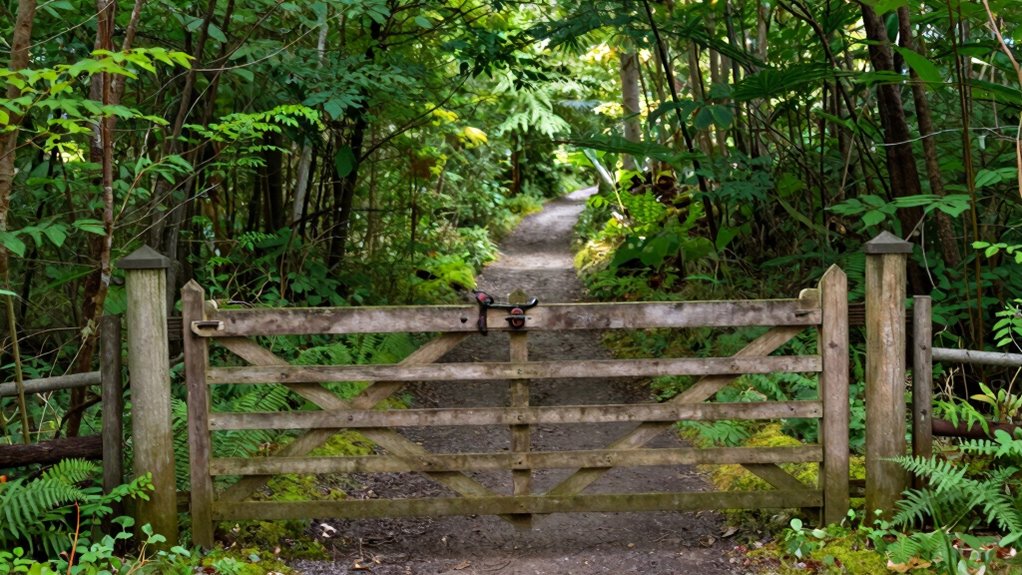
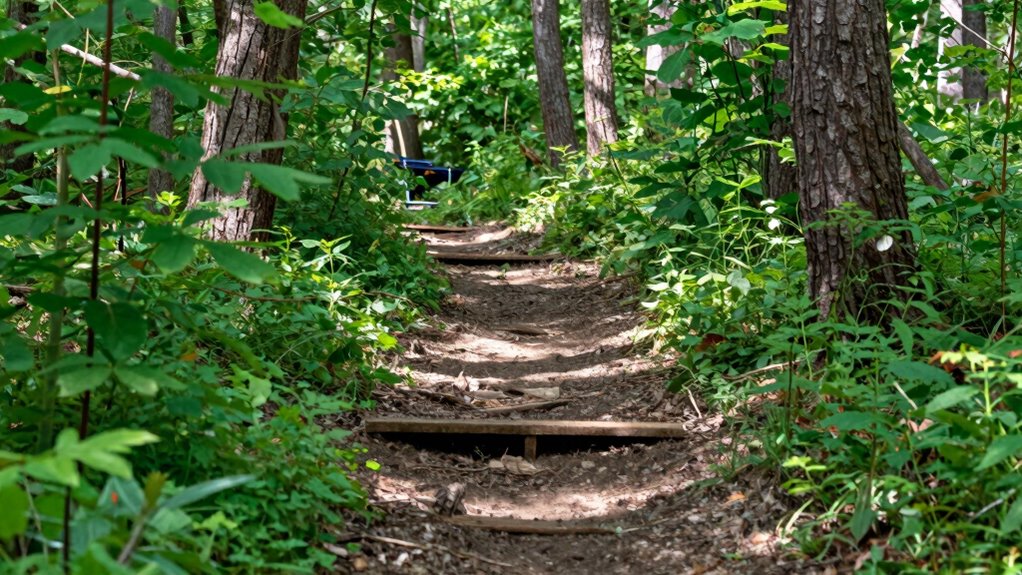
Have you ever wondered what it takes to access a woodlot safely and responsibly? It’s more than just walking onto the land and grabbing what you need. Proper access involves understanding harvesting techniques and maintaining trails to protect both the environment and your well-being. When you’re planning to harvest timber or firewood, it’s essential to approach it with a clear strategy. This means using efficient harvesting techniques that minimize damage to the surrounding area. Instead of haphazard cutting, you carefully select trees that are mature or overgrown, ensuring you don’t disturb young saplings or sensitive habitats. Proper harvesting techniques also involve limbing and bucking in a way that reduces waste and prevents unnecessary soil disturbance. Incorporating proper trail design can significantly reduce environmental impact and improve safety during access. Equally important is trail maintenance. Well-maintained trails serve as the backbone of responsible woodlot access. When you create and keep trails in good shape, you avoid trampling sensitive ground cover, which can lead to erosion and soil degradation. Regularly checking for and fixing ruts, washouts, or fallen trees keeps access safe and sustainable. This not only makes it easier for you to reach your target areas but also prevents long-term damage to the land. When doing trail maintenance, be mindful to keep the trail width manageable, avoiding wide, heavily disturbed paths that encourage off-trail travel. Use sustainable practices like water diversion and proper drainage techniques to keep water flowing away from the trail, preventing erosion and muddy conditions. When you combine good harvesting techniques with diligent trail maintenance, you’re helping to preserve the health of the woodlot while making your work safer and more efficient. It’s tempting to rush in and start cutting or driving to your favorite spots, but taking the time to plan your approach pays off. Proper access reduces wear and tear on the soil, preventing compaction and erosion that can take years to recover. Plus, it minimizes the risk of accidents caused by unstable terrain or unexpected obstacles. You’ll find that respecting the land by following these small but impactful practices makes your work less physically demanding and helps sustain the woodlot for future use. Ultimately, responsible access isn’t just about getting what you need today; it’s about ensuring the land remains healthy and productive for generations to come. By adopting sound harvesting techniques and investing in trail maintenance, you’re not only protecting your back from unnecessary strain but also safeguarding the soil, water, and plants that make your woodlot a valuable resource. It’s a simple change that yields lasting benefits—making your work more efficient and your impact more positive.
As an affiliate, we earn on qualifying purchases.
Frequently Asked Questions
What Permits Are Needed for Creating a New Access Point?
You’ll need to check your local permitting process and access regulations before creating a new access point. Typically, you must submit an application to the relevant authority, like your county or forestry department. They’ll review your plans for compliance with safety, environmental, and land use standards. Permits guarantee your new access is legal, safe, and minimizes environmental impact. Always verify specific permit requirements for your area to avoid issues later.
How Can I Minimize Environmental Impact During Construction?
To minimize environmental impact during construction, you should implement erosion control measures like silt fences and avoid disrupting existing habitats. Use existing pathways whenever possible, and limit heavy equipment to reduce soil disturbance. Protect nearby water sources by managing runoff carefully. By planning carefully and maintaining buffer zones, you help preserve habitat and prevent erosion, ensuring your project benefits the environment while creating safe access.
What Materials Are Best for Durable Access Routes?
You should choose durable materials like gravel or crushed stone for your trail surface, as they provide good stability and longevity. Incorporate erosion control measures such as geotextiles or edging to prevent soil displacement. Using these materials and techniques helps maintain your access routes, reduces maintenance needs, and minimizes environmental impact by preventing runoff and soil erosion, ensuring your trail remains functional and eco-friendly over time.
How Often Should I Maintain My Woodlot Access?
Think of your access like a garden path—regular upkeep keeps it clear and inviting. You should check and perform access maintenance seasonally, adjusting for weather and wear. After heavy rain or snow, inspect for washouts or ice hazards, and in dry months, clear debris and reinforce surfaces. Staying proactive guarantees safe, easy access year-round, helping you avoid costly repairs and protecting your soil from unnecessary disturbance.
Are There Legal Restrictions on Accessing Private Woodlots?
Yes, there are legal restrictions on accessing private woodlots. You need to respect access rights granted by landowners, which may include permissions or designated pathways. Trespassing laws strictly prohibit entering private property without permission, and violating these laws can lead to fines or legal action. Always seek permission before accessing a private woodlot and familiarize yourself with local trespassing laws to avoid disputes and ensure respectful use of the land.
Conclusion
By choosing thoughtful access points, you’re opening a well-trodden path that keeps your back strong and your soil healthy. Think of it as planting a seed of care that grows into a lush, thriving woodlot. Small changes today can turn your woodlot into a sanctuary where every step feels like a gentle dance, not a heavy burden. So, take that simple step—your back and soil will thank you for it.
Fall yard work Picks
leaf blowers
As an affiliate, we earn on qualifying purchases.