
If you have punky, hollow, or insect-damaged logs, start by evaluating the extent of the damage and removing loose or decayed wood to prevent further issues. Treat the logs with preservatives and insecticides to inhibit decay and pests. You can repurpose damaged logs for rustic furniture or garden edging, but only if properly treated. Regular inspections and proper storage help prevent future deterioration. Keep exploring to discover more tips for caring for and extending the life of your logs.
Key Takeaways
- Assess the extent of damage to determine if the log is suitable for reuse or needs disposal.
- Treat logs with appropriate preservatives or insecticides before repurposing or handling.
- Use punky or hollow logs for rustic furniture or garden edging, ensuring thorough treatment first.
- Avoid structural applications if damage compromises the log’s stability or safety.
- Store damaged logs properly, off the ground and dry, to prevent further deterioration or pest infestation.
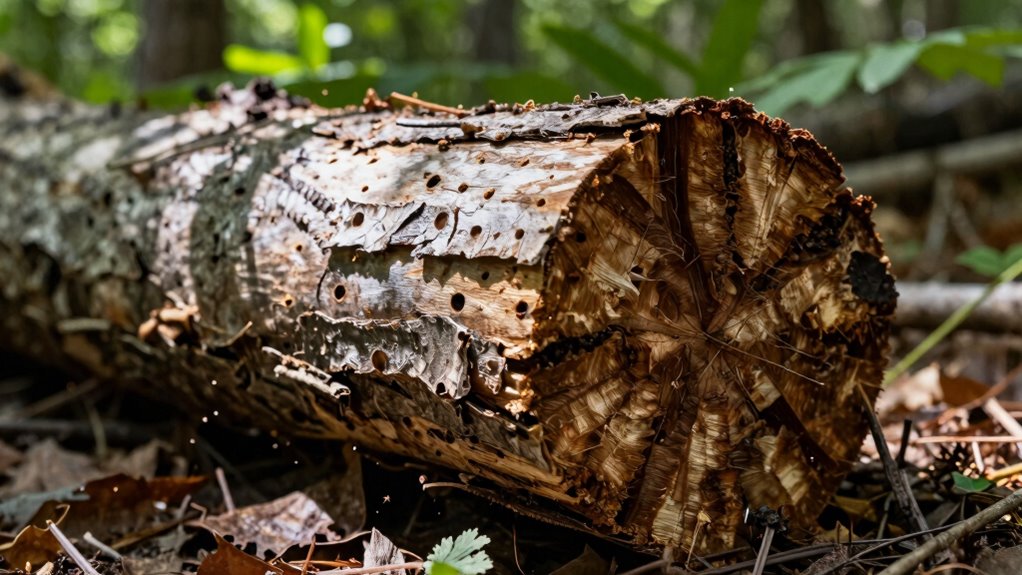
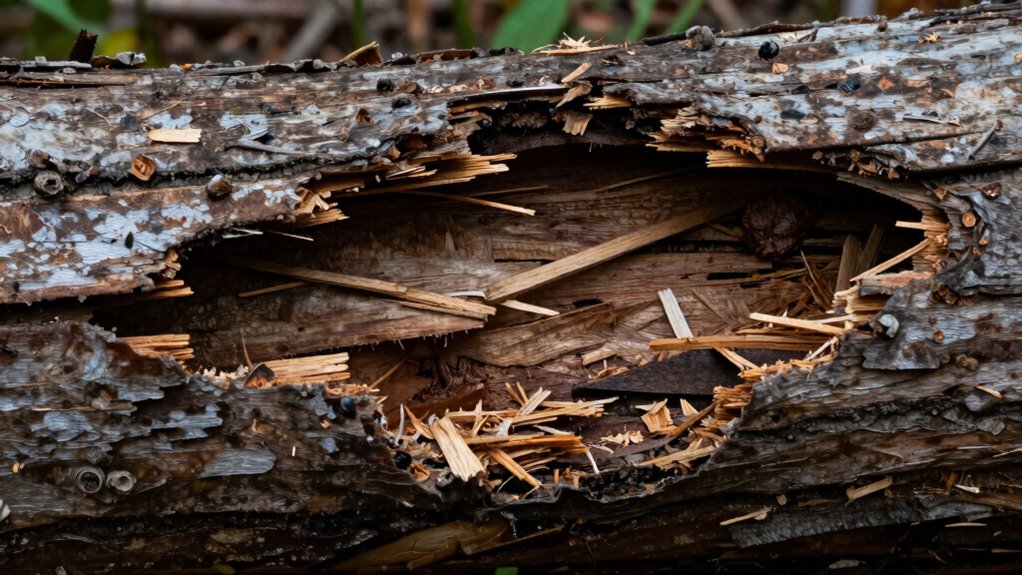
If you’ve ever come across punky, hollow, or insect-damaged logs, you know they can seem unusable or even a nuisance. These logs often appear compromised, but with the right approach, you can restore their value or prevent further deterioration. The first step is understanding wood preservation and pest prevention. When dealing with damaged logs, it’s essential to assess the extent of decay or insect activity. If you notice soft spots, hollow areas, or signs of burrowing insects, you’ll want to act quickly to prevent the problem from worsening.
To start, remove any loose or decayed wood, as it offers no structural support and may harbor pests. Once you’ve cleared away the compromised material, you can treat the remaining wood with preservatives. These products penetrate the wood to inhibit fungal growth and repel insects, effectively halting further damage. Applying a high-quality wood preservative not only extends the life of the logs but also acts as a pest preventive measure, discouraging termites, beetles, and other wood-boring insects from settling in again. For logs with visible insect activity, consider using insecticides specifically formulated for wood treatment, and always follow the manufacturer’s instructions for safety and effectiveness. Regular inspections and proper wood maintenance can help identify early signs of decay and pest activity, ensuring your logs remain durable.
If the damage is particularly extensive and the structure of the log is compromised, it might be better to repurpose the wood rather than attempt repairs. For example, punky or hollow logs can be used for rustic furniture, garden edging, or decorative features—areas where aesthetic imperfections won’t compromise safety. Before repurposing, ensure you treat the wood thoroughly to prevent pests from re-establishing. For outdoor applications, applying a weatherproof sealant atop the preservative coating adds an extra layer of protection, guarding against moisture that could accelerate decay. Additionally, understanding wood deterioration and how it progresses can help you better prevent future issues. Regular inspections and proper storage conditions are also crucial to maintaining wood durability over time. Recognizing the signs of decay early can save you from costly repairs later on.
Preventing future problems involves ongoing maintenance. Regular inspections for signs of insect activity or decay help catch issues early. Keep logs dry and stored off the ground to minimize moisture exposure, a major factor in wood deterioration. Using physical barriers like metal or concrete around storage areas can also deter pests. Implementing these pest prevention strategies and maintaining proper wood preservation practices ensures your logs stay as durable and pest-free as possible. Whether you decide to restore, repurpose, or replace damaged logs, acting swiftly and with the right treatments will save you time, effort, and money in the long run. Furthermore, understanding the common causes of wood decay can help you better identify vulnerabilities in your storage or usage practices.
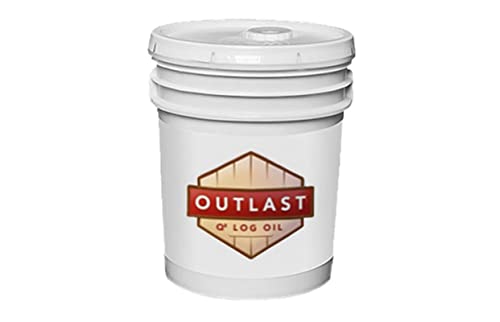
Outlast – Q8 Log Oil Wood Preservative for Decks, Log Homes, End Cuts, & More – Dark Brown – 5 Gallon
- Enhances wood durability: Increases resistance to weathering and aging
- Protects various wooden structures: Extends life and maintains beauty of wood surfaces
As an affiliate, we earn on qualifying purchases.
As an affiliate, we earn on qualifying purchases.
Frequently Asked Questions
Can Damaged Logs Still Be Used for Firewood?
Damaged logs can still be used for firewood if you treat the wood properly. First, cut away any punky, hollow, or insect-infested parts. Then, dry the logs thoroughly to reduce pests and prevent mold. Applying pest prevention treatments can help eliminate remaining insects. Always guarantee the wood is well-seasoned, as this enhances burning efficiency and safety. Proper treatment and drying allow you to safely use damaged logs for your fire.
How Can I Prevent Insect Damage in Logs?
To prevent insect damage in logs, you should apply natural preservatives and pest-resistant treatments before storing them. Keep logs dry, well-ventilated, and off the ground to deter pests. Consider using borate solutions or commercial insect-resistant products for added protection. Regularly inspect your logs, and remove any infested or rotten pieces promptly. This proactive approach helps maintain healthy, pest-free logs for future use.
Are Hollow Logs Safe for Outdoor Structures?
Hollow logs aren’t usually safe for outdoor structures because pest infestation can compromise their structural integrity. You might notice pests hiding inside, weakening the wood and risking collapse. If you’re considering using hollow logs, inspect thoroughly and treat them with preservatives to prevent pests. Otherwise, choose solid, healthy logs for durability and safety, ensuring your outdoor structure stays sturdy and pest-free over time.
What Are Eco-Friendly Ways to Dispose of Damaged Logs?
You can dispose of damaged logs eco-friendly by using biodegradable treatments to break them down naturally. Consider chipping or shredding logs for mulch, which enriches soil and reduces waste. Alternatively, explore sustainable disposal methods like composting or repurposing logs into art or furniture. These approaches minimize environmental impact, promote recycling, and support eco-conscious practices, ensuring your damaged logs are disposed of responsibly without harming the planet.
How Do I Identify Different Types of Wood Decay?
To identify different types of wood decay, start by examining the wood’s appearance and texture. For insect damage recognition, look for tiny holes, sawdust, or tunnels inside the wood. Wood decay identification involves checking for discoloration, soft spots, or crumbling areas. You might notice fungal growth or a musty smell. By closely inspecting these signs, you can determine whether the wood is affected by insects or decay, guiding your next steps.
Conclusion
When dealing with punky, hollow, or insect-damaged logs, you’ve got options—turn them into rustic decor, firewood, or even compost. Just remember, “A stitch in time saves nine,” so addressing damage early can save you headaches later. With a little effort, you can repurpose or restore these logs, preventing waste and creating something unique. Sometimes, what seems broken can become a beautiful part of your project, if you’re willing to see the potential.