To plan a firewood harvest without damaging your land, start by identifying dead or fallen trees to avoid harming healthy forest growth. Use strategic and selective cutting to minimize soil disturbance and promote regeneration. Map out harvest areas and focus on removing only necessary trees, leaving healthy, mature ones untouched. Guarantee your equipment is in good condition and follow safety protocols. By maintaining ecological balance, you help sustain your land’s health—continue exploring how to do this effectively.

Get business pricing on tools and workshop supplies
- Business-only prices and quantity discounts
- Tax-exempt purchasing
- Multiple users, one account, clear invoices
Key Takeaways
- Map and designate specific harvest areas to minimize soil disturbance and protect surrounding vegetation.
- Prioritize dead or fallen trees to reduce ecological impact and support forest health.
- Use selective cutting and sustainable methods to harvest firewood without overharvesting.
- Ensure equipment is well-maintained and operated safely to prevent land damage.
- Plan harvest timing to allow natural regeneration and avoid disrupting wildlife or soil stability.
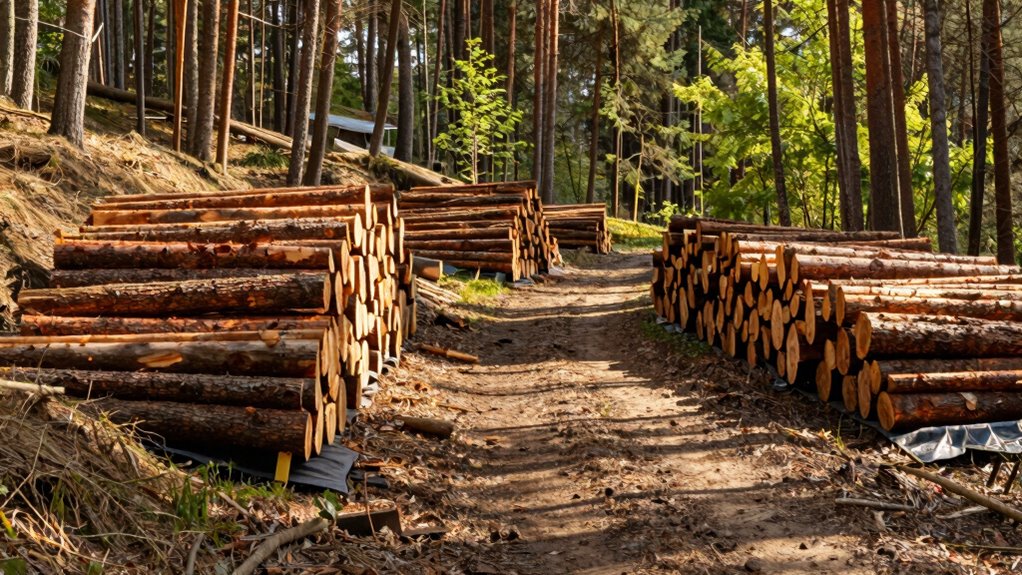
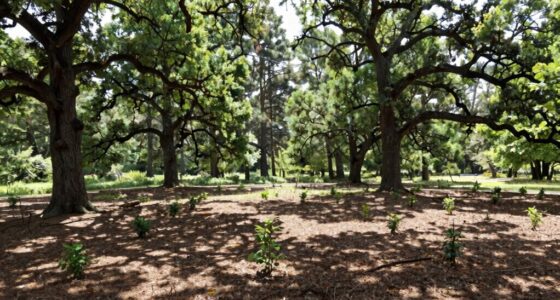
Planning a firewood harvest requires careful preparation to guarantee you gather quality wood efficiently and sustainably. The key is to approach the task thoughtfully, balancing your immediate needs with the health of the forest. Good forest management practices are crucial to ensure you’re not damaging the land or depleting resources faster than they can regenerate. Before you start, take time to identify the right trees—preferably dead or fallen ones, which won’t harm the forest’s growth or biodiversity. Removing only what’s necessary helps maintain ecological balance and keeps your land healthy for future harvests.
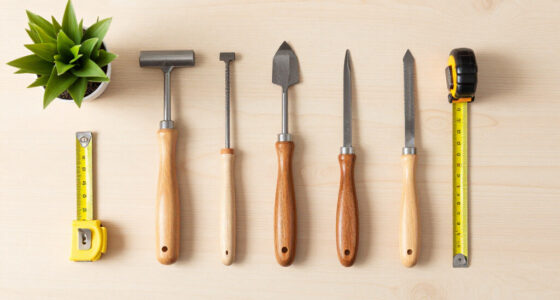
Safety should be at the forefront of your planning. Proper equipment safety is essential to avoid accidents and injuries. Make sure your tools—chainsaws, axes, protective gear—are in excellent condition. Wear sturdy gloves, eye protection, ear defenders, and steel-toed boots to minimize risks. Familiarize yourself with the operation of your equipment, and never work alone when handling heavy or dangerous machinery. Proper training and maintenance reduce the chance of mishaps, protecting both you and your land. Incorporating sustainable harvesting practices is essential to maintain long-term forest health and productivity. Additionally, understanding forest regeneration helps you plan harvests that allow the woods to recover naturally over time. Implementing these practices supports the overall ecological balance of your land, ensuring sustainability.
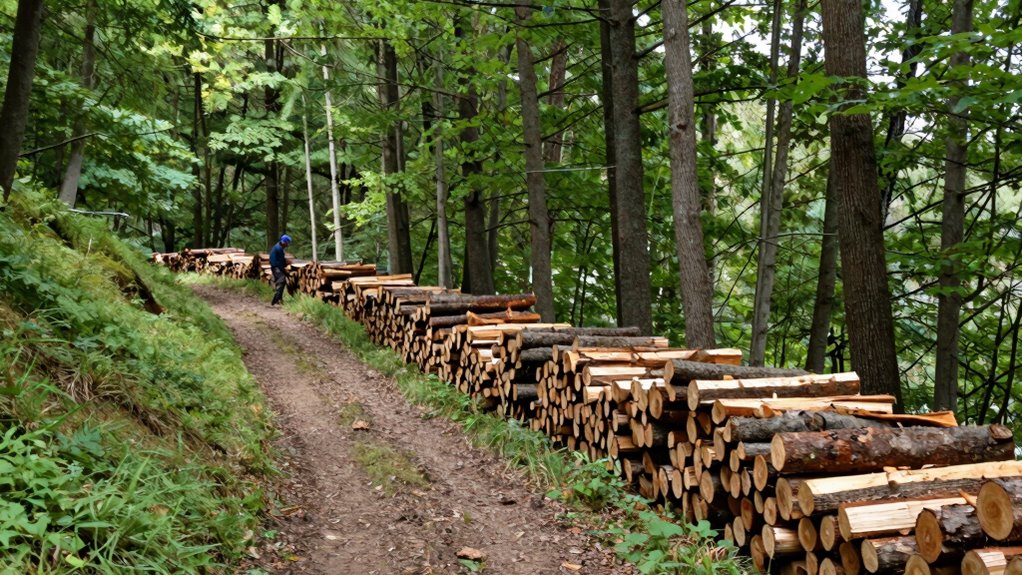
Effective forest management involves more than just cutting trees; it’s about strategic planning. Map out your harvest area beforehand to prevent unnecessary trampling or soil disturbance. Create a plan that allows for selective cutting, focusing on dead or diseased trees, while leaving healthy, mature trees untouched. This approach promotes forest resilience and ensures a sustainable supply of firewood for years to come. Additionally, staggering your harvests over time helps prevent overharvesting and allows the forest to recover naturally. Incorporating selective harvesting methods can also promote forest biodiversity, which contributes to the overall health of your land.
As an affiliate, we earn on qualifying purchases.
Frequently Asked Questions
What Permits Are Required for Firewood Harvesting on Private Land?
You typically need firewood permits if you’re harvesting on private land, depending on local rules. Check private land regulations first, as some areas require permits even for personal use. Contact your state forestry office or local government to find out about specific firewood permits, licensing, or restrictions. Always follow these rules to avoid fines and guarantee sustainable harvesting practices on your land.
How Do I Determine the Sustainable Amount of Firewood to Harvest?
Ever wondered how to keep your firewood harvest sustainable? You should assess your forest management practices and avoid removing more than 25-30% of mature trees annually. Focus on removing dead or fallen wood, which minimizes ecological impact and promotes forest health. Regularly monitor tree growth and health to guarantee you’re not overharvesting. By balancing your needs with ecological considerations, you can harvest firewood responsibly without damaging your land.
What Tools Are Best for Safe and Efficient Firewood Cutting?
You should use a sharp, quality chainsaw for safe and efficient firewood cutting, complemented by protective gear like gloves, goggles, and ear protection. Incorporate tree pruning techniques to remove dead or hazardous branches before cutting, ensuring safety. Always prioritize fire safety by clearing the area of debris and maintaining a safe distance. These tools and practices help you harvest firewood effectively while protecting both yourself and your land.
How Can I Minimize Soil Disturbance During Harvest?
To minimize soil disturbance during your harvest, focus on limiting soil erosion and protecting vegetation. Use designated access paths to reduce trampling and avoid heavy machinery on fragile soil. Opt for selective cutting instead of clear-cutting, preserving root systems and ground cover. When possible, harvest during dry conditions, which helps prevent soil compaction and runoff. These steps help maintain land health and reduce long-term vegetation impact.
What Are the Best Practices for Dispersing Firewood Debris?
You should spread wood debris evenly across your land to promote natural decay and nutrient recycling. Use firewood disposal techniques like chipping smaller pieces or stacking larger logs away from sensitive areas. Managing wood debris properly prevents pest infestations and soil compaction, ensuring your land remains healthy. Regularly dispersing debris minimizes buildup, helps maintain soil integrity, and supports sustainable harvesting practices, making your firewood harvest eco-friendly and efficient.
Conclusion
By planning your firewood harvest carefully, you protect your land and guarantee sustainable supplies for years to come. Did you know that improperly managed harvesting can reduce forest regeneration by up to 50%? Staying mindful of tree health and harvest methods not only keeps your land healthy but also ensures you’ll have reliable firewood for seasons ahead. With a thoughtful plan, you can enjoy warmth without compromising the future of your woodland.
Columbus Day / Indigenous Peoples' Day Picks
long weekend sales
As an affiliate, we earn on qualifying purchases.