
Firebrick lines the interior of fireplaces, stoves, and furnaces to hold in heat, prevent heat loss, and protect surrounding structures. It’s crucial for safe and efficient operation. You should choose the right type based on your application, like standard or insulating firebrick. When replacing damaged bricks, carefully remove them, clean the area, and use high-heat mortar to guarantee a secure fit. Continue, and you’ll discover more tips to help maintain your firebrick setup effectively.

Get business pricing on tools and workshop supplies
- Business-only prices and quantity discounts
- Tax-exempt purchasing
- Multiple users, one account, clear invoices
Key Takeaways
- Firebrick lines the interior of fireplaces and stoves to withstand high temperatures and improve efficiency.
- Selecting the right type of firebrick (standard, insulating, dense) is crucial for proper application and safety.
- Proper installation involves cleaning, using high-temperature mortar, and careful alignment to ensure durability.
- Damaged firebricks should be carefully removed and replaced with compatible bricks to prevent heat loss and hazards.
- Regular maintenance and correct replacement extend the lifespan and maintain the safety and efficiency of heating appliances.
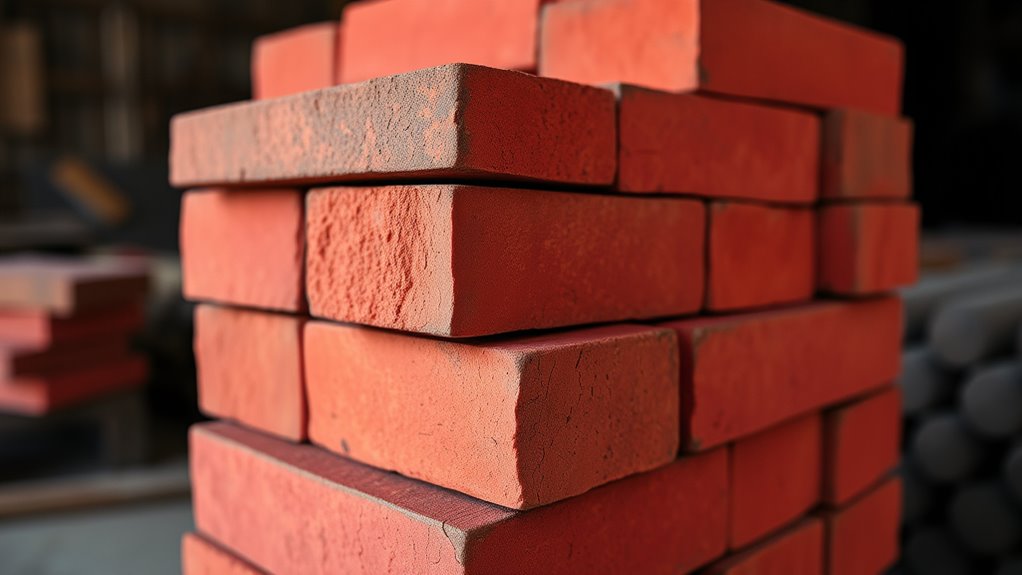
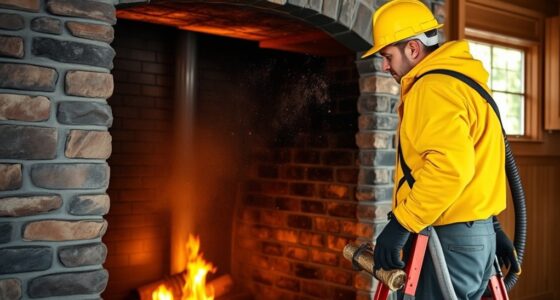
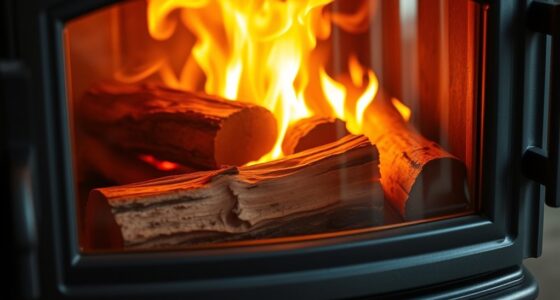
Firebrick plays a essential role in maintaining the efficiency and safety of your fireplace or stove by lining the interior with heat-resistant material. When you’re considering firebrick installation, understanding the different common firebrick types can make a significant difference in how well your heating appliance performs and how long it lasts. Firebricks are specifically designed to withstand high temperatures, prevent heat loss, and protect the surrounding structure from heat damage. They’re indispensable components in both new installations and repairs, ensuring your fireplace or stove operates safely and efficiently.
Firebricks are essential for safety, efficiency, and durability in your heating appliances.
There are several common firebrick types, each suited to specific applications. The most typical is the standard fireclay brick, which offers excellent thermal resistance and durability at a reasonable cost. These bricks are often used in residential fireplaces and small stoves because they can handle high temperatures without cracking or breaking down. Another popular type is insulating firebrick, which is lighter and more porous. These are ideal for lining the interior of high-temperature appliances where insulation is essential, as they retain heat better and help improve overall efficiency. For heavy-duty applications, such as industrial furnaces or large commercial stoves, you might encounter dense firebricks made from high-alumina or silica-based materials. These are highly resistant to thermal shock and chemical corrosion, making them perfect for demanding environments.
Understanding the different firebrick types can help you better select the right material for your specific needs. When you’re planning firebrick installation, it’s important to select the right type for your specific needs. Improperly chosen bricks can lead to rapid deterioration, heat loss, or safety hazards. Before beginning, you should carefully measure the interior dimensions of your fireplace or stove to guarantee a proper fit. You’ll also want to prepare a clean, dry surface, and use a high-temperature mortar designed for firebrick installation. Applying the mortar evenly and carefully aligning each brick is essential to create a solid, stable lining that can withstand repeated heating cycles.
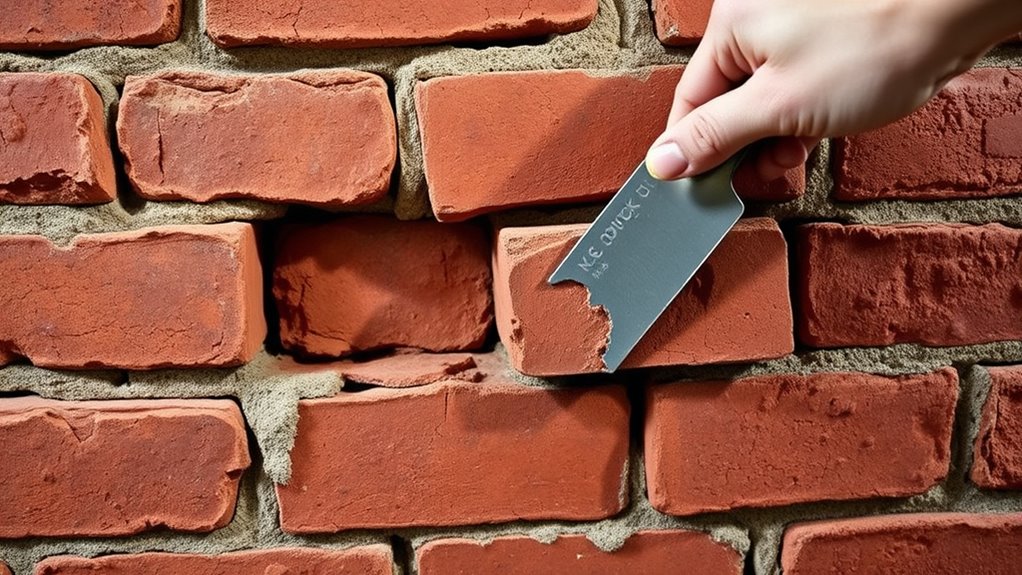
Replacing damaged firebricks isn’t complicated, but it does require attention to detail. Start by removing the broken bricks carefully, avoiding damage to the surrounding structure. Clean the area thoroughly before applying new mortar, and press the replacement bricks firmly into place. Allow the mortar to cure fully before lighting your fire, following the manufacturer’s instructions. Properly installed and replaced firebricks will not only prolong the lifespan of your appliance but also enhance its efficiency and safety. By understanding the common firebrick types and the basics of firebrick installation, you guarantee your heating unit remains a reliable, safe heat source for years to come.
As an affiliate, we earn on qualifying purchases.
Frequently Asked Questions
How Long Does Firebrick Typically Last Before Needing Replacement?
The firebrick lifespan usually ranges from 1 to 3 years, depending on your usage and maintenance. You should start considering a replacement timeline if you notice cracks, crumbling, or disintegration. Regular inspections help identify when your firebrick needs replacing, ensuring your fireplace or furnace stays safe and efficient. Keep an eye on these signs to maintain peak performance and avoid unexpected breakdowns.
Can Firebrick Be Repaired Instead of Fully Replaced?
Think of firebrick as the heart of your stove’s resilience. You can often mend it through targeted firebrick maintenance and repair methods, like patching cracks with refractory mortar or replacing damaged sections. While full replacement isn’t always necessary, you should assess the extent of damage first. Proper repair preserves performance and extends its life, just as a heart’s repair keeps the rhythm steady.
What Are Signs of a Damaged or Failing Firebrick?
You can tell your firebrick is damaged if you notice cracks detection or discoloration signs. Cracks may appear as hairline fractures or larger splits, weakening the brick’s integrity. Discoloration, such as dark spots or soot stains, indicates heat damage or deterioration. Keep an eye out for crumbling edges or pieces falling off, as these signs suggest it’s time to replace your firebrick to maintain safety and efficiency.
Are There Eco-Friendly Firebrick Options Available?
Yes, eco-friendly firebricks made from sustainable materials and recycled content are available. You can find options crafted from recycled ceramic or silica, which reduce environmental impact. These firebricks perform well in high temperatures while supporting sustainability. When choosing, look for certifications or product labels indicating eco-conscious manufacturing. By selecting these alternatives, you help minimize waste and promote environmentally responsible practices in your heating or cooking setups.
How Does Firebrick Performance Vary With Different Fireplace Types?
You’ll notice firebrick performance varies with fireplace types because different setups require specific insulation and installation techniques. For example, masonry fireplaces need sturdy firebricks with proper insulation, while prefabricated units might need lightweight options. When installing, use proper firebrick installation techniques to maximize heat retention and durability. Ensuring your firebrick matches your fireplace type helps improve efficiency, prevents damage, and extends the lifespan of your heating system.
Conclusion
Now that you know the purpose of firebrick and how to replace it, you’re practically a fireproof superhero! With this knowledge, you could withstand the blazing infernos of the sun itself—well, almost. Remember, using the right firebrick keeps your stove or furnace running smoother than a rocket-powered roller coaster. So go ahead, wield your newfound expertise like a fiery wizard and keep those flames contained—because nothing’s more powerful than a well-maintained firebrick in your corner!
Fall yard work Picks
leaf blowers
As an affiliate, we earn on qualifying purchases.