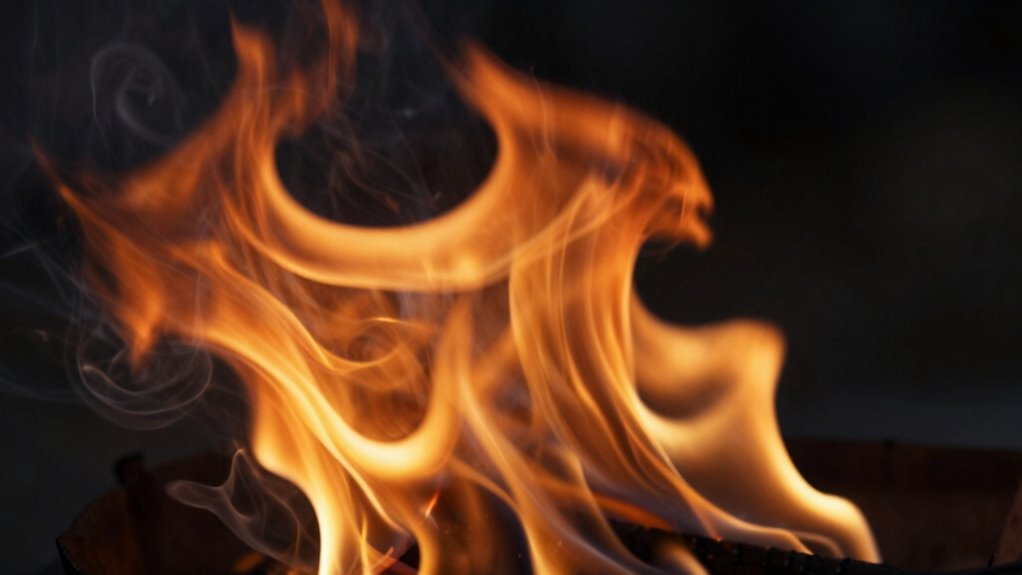

A lazy, elongated flame indicates poor or stagnant airflow, which can hinder proper combustion. You might notice the flame is lazy, flickering, or touching container sides, suggesting insufficient oxygen. Slow or blocked airflow reduces oxygen access, making the flame unstable and less efficient. Addressing ventilation problems, like opening vents or improving circulation, can help. If you keep exploring, you’ll discover more ways to identify and fix airflow issues effectively.

Get business pricing on tools and workshop supplies
- Business-only prices and quantity discounts
- Tax-exempt purchasing
- Multiple users, one account, clear invoices
Key Takeaways
- A lazy, elongated flame indicates slow or stagnant airflow, reducing oxygen supply to the combustion process.
- Insufficient airflow can cause the flame to appear dull, yellow, and inefficient.
- Proper airflow results in a steady, vibrant blue flame, while stagnation leads to a sluggish, elongated one.
- Restricted airflow traps stale air, impairing combustion and causing the flame to become lazy or flicker unpredictably.
- Monitoring flame behavior helps diagnose airflow issues, ensuring safe and efficient ventilation.
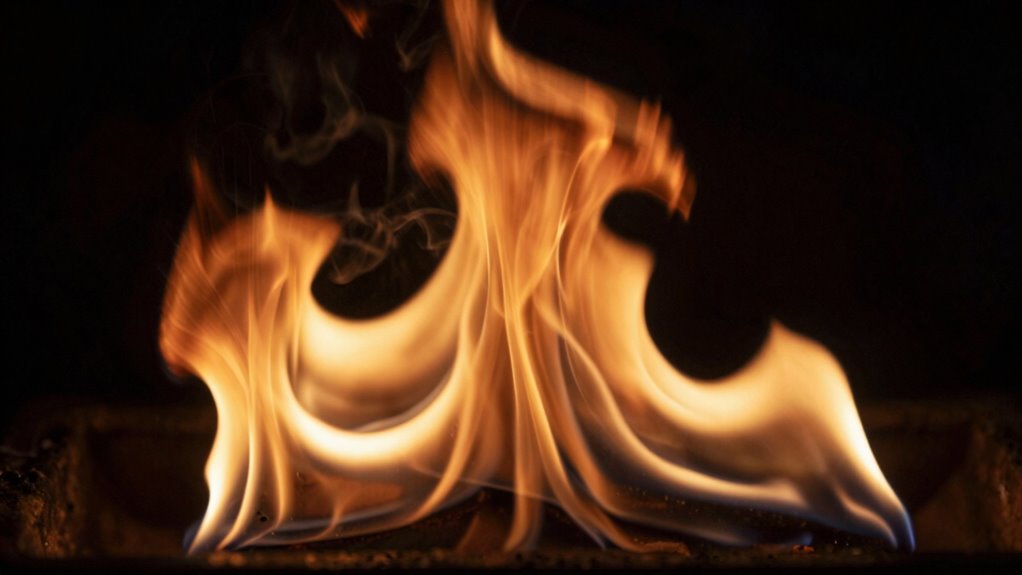
A lazy flame isn’t just a sign of a tired fire; it reveals essential information about how air is moving through your space. When your flame flickers sluggishly or appears dull, it’s a clear indicator that airflow isn’t functioning efficiently. The flame color and movement give you clues about whether your ventilation is balanced or if there’s a problem with airflow speed. A steady, vibrant flame typically signifies proper airflow, while a sluggish, flickering, or yellow-tinted flame suggests that air isn’t circulating as it should be.
A dull, flickering flame signals poor airflow and ventilation issues needing attention.
You might notice that a lazy flame has a dull, yellowish hue instead of a bright, blue color. The flame color is significant because it reflects the combustion process and air quality. A blue flame indicates complete combustion with a good mix of oxygen, meaning airflow speed is adequate. Conversely, a yellow or orange flame points to incomplete combustion, which often results from insufficient airflow. When airflow slows down, it prevents fresh oxygen from reaching the flame efficiently, causing the color to shift and the flame to appear lethargic.
Airflow speed directly influences how your flame behaves. If the air is moving too quickly, the flame may flicker intensely or dance erratically, signaling turbulent airflow. On the other hand, if the airflow is too slow or stagnant, the flame may become elongated, lazy, or even touch the sides of its container. This sluggish movement suggests that the air isn’t being refreshed or circulated properly, which can lead to poor combustion and potential safety concerns.
You can test airflow by observing the flame’s behavior over time. A lazy flame that remains dull and flickers weakly indicates that airflow might be sluggish or uneven. This can happen due to blocked vents, closed windows, or a malfunctioning fan. When airflow is restricted, it traps stale air and oxygen doesn’t reach the flame efficiently, causing the flame to lose its vigor and color. Additionally, understanding airflow patterns can help you optimize your space for safety and efficiency. When airflow is uneven or disrupted, it can create stale air pockets that reduce oxygen levels and increase the risk of combustion problems or health hazards.
In essence, paying attention to your flame’s color and movement helps you understand your space’s airflow. If your flame looks dull, flickers, or shifts in hue, it’s a sign you need to improve ventilation. Increasing airflow speed through open vents, fans, or better placement of your heating elements ensures your flame remains vibrant, efficient, and safe. Recognizing these signs empowers you to maintain a well-ventilated environment, keeping your space both comfortable and secure.
Products Worth Considering

Coway Airmega 250 Air Purifier for Large Rooms

Levoit Core 400S-P Smart Air Purifier for Large Rooms

Levoit Eleva 300X HEPA Air Purifier for Home and Bedroom
As an affiliate, we earn on qualifying purchases.
Frequently Asked Questions
Can Flame Behavior Indicate Other Environmental Issues?
Yes, flame behavior can reveal other environmental issues. A flickering or lazy flame suggests poor ventilation efficiency, which might cause indoor pollution to build up. This can lead to unhealthy air quality, affecting your health. By paying attention to flame patterns, you can identify ventilation problems early, ensuring better airflow and reducing indoor pollution. Addressing these issues improves air quality and creates a safer, more comfortable environment for you.
How Does Humidity Affect Flame Appearance?
Humidity effects can dramatically transform your flame appearance, making it flicker wildly like a firestorm in a breeze. When humidity rises, expect the flame to become taller, more erratic, and sometimes even produce strange colors. Conversely, low humidity causes a calmer, steadier flame. So, you see, humidity has a powerful impact on how your flame looks, revealing the environment’s moisture levels in a way that’s impossible to ignore.
What Tools Are Best for Detecting Airflow Problems?
You should use airflow sensors to detect airflow problems effectively. These tools measure air movement directly, helping you identify weak spots or obstructions. For a thorough ventilation assessment, consider combining airflow sensors with smoke pencils or anemometers, which visually demonstrate airflow patterns. Regularly conducting these assessments guarantees your ventilation system operates efficiently, preventing issues like lazy flames or poor air quality.
Does Flame Color Change Reveal Airflow Quality?
Imagine a gentle breeze dancing around a candle’s flame, making it flicker and sway. When you observe flame color changes, it often signals airflow issues—unstable flames or irregular airflow patterns. A stable flame, with a steady blue hue, shows good airflow, while yellow or flickering flames reveal poor airflow or obstructions. Pay attention to these subtle shifts; they’re your clues to airflow quality and safety.
Can a Lazy Flame Indicate Gas Leaks?
A lazy flame alone doesn’t reliably indicate a gas leak. Gas leak indicators usually produce a distinct smell or sound, but a flickering, unstable flame can suggest insufficient or uneven airflow, not necessarily a leak. Flame stability is key; a steady flame indicates proper airflow, while a lazy or flickering one might mean issues with ventilation or a possible leak. Always use proper detectors and get professional help if you suspect a gas leak.
Conclusion
Seeing a lazy flame is a clear sign your airflow isn’t ideal. It’s like your stove’s way of whispering, “Something’s off.” Did you know that poor airflow can increase cooking times by up to 20%? That’s extra fuel, energy, and time lost every day. Pay attention to your flame’s behavior—making small adjustments can save you money and make your cooking safer and more efficient. Don’t ignore that lazy flame; it’s telling you something important.