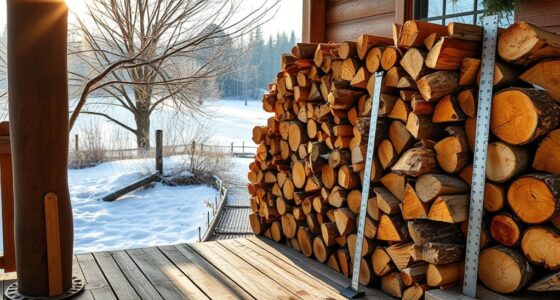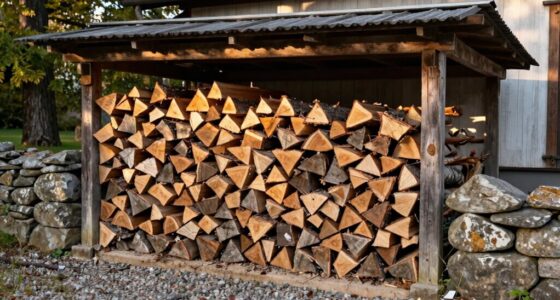
To get longer burns without smothering your fire, focus on managing airflow carefully—use dampers or vents to limit oxygen after the fire is established. Stack your logs with gaps to promote good airflow and prevent excess smoke, and always use dry, seasoned wood to guarantee cleaner, longer-lasting flames. Balancing fuel placement with airflow control helps keep the fire steady and efficient. Keep exploring these tips for more ways to extend your fire’s life.

Get business pricing on tools and workshop supplies
- Business-only prices and quantity discounts
- Tax-exempt purchasing
- Multiple users, one account, clear invoices
Key Takeaways
- Use dry, seasoned wood to ensure efficient burning and reduce the need for excessive airflow.
- Arrange logs with adequate gaps to promote oxygen flow without overfeeding the fire.
- Adjust dampers or vents to maintain steady airflow, preventing smoldering or rapid combustion.
- Start with a strong, well-ventilated fire, then slightly reduce airflow once established for longer burns.
- Regularly monitor and tweak airflow controls to balance combustion rate and extend fire duration.
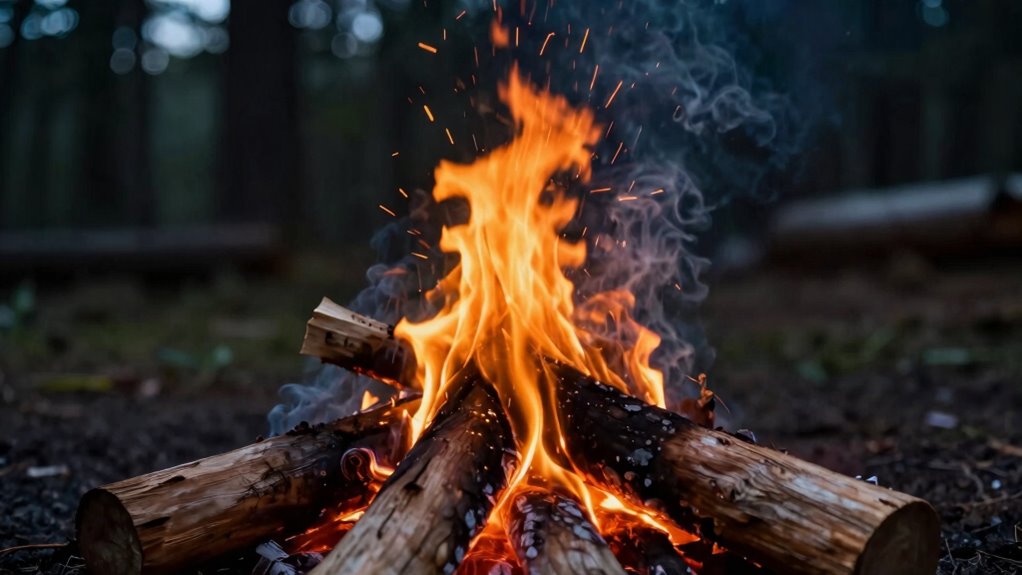
If you want your fire to burn longer without smothering the flames, understanding how to manage airflow and fuel is crucial. Proper fire safety isn’t just about keeping flames under control; it’s also about optimizing burn duration so your fire stays lively and efficient. When you control how air reaches the fire, you influence how quickly it consumes the fuel, which directly impacts how long your fire lasts. Too little airflow, and the fire struggles to breathe, smolders, and produces excess smoke. Too much, and it burns out faster as the oxygen accelerates combustion. Striking the right balance ensures your fire remains steady without risking safety issues.
To extend burn duration, start by stacking your fuel correctly. Use a method that promotes good airflow, like the teepee or log cabin style. These arrangements allow air to circulate freely around the wood, encouraging a strong, consistent burn. Avoid tightly packed or overly dense piles, which restrict airflow and cause the fire to smolder. Instead, leave gaps between logs to let oxygen flow in and sustain combustion. This approach not only prolongs the fire but also enhances fire safety, reducing the risk of unexpected flare-ups or smoke buildup. Additionally, understanding how airflow regulation impacts combustion can significantly improve your fire management skills.
Next, consider adjusting the vents or dampers if you’re using a stove or fireplace. Controlling these openings helps regulate airflow precisely. For longer burns, slightly reduce the airflow once the fire is established. This doesn’t mean starving it of oxygen but rather maintaining a steady supply that prevents rapid consumption. A well-maintained damper allows you to fine-tune the fire’s intensity, balancing between too much oxygen that leads to quick burnout and too little that causes smoldering. Properly managing fuel moisture content** is equally important, as dry, seasoned wood ignites more easily, burns hotter, and lasts longer than green or wet wood. Keeping your fuel dry minimizes smoke and creosote buildup, both of which pose safety hazards. Properly seasoned wood and airflow control** work together to produce a cleaner, more efficient burn. Ensuring your fuel is dry and managing airflow correctly are essential for a longer, safer fire that requires less tending.
As an affiliate, we earn on qualifying purchases.
Frequently Asked Questions
Can Different Types of Wood Affect Burn Duration?
Yes, different types of wood can affect burn duration. Hardwoods like oak or hickory tend to burn longer than softwoods such as pine or cedar. Your wood seasoning and timber selection are vital; well-seasoned, dry wood burns more efficiently and lasts longer. Choosing the right wood and ensuring it’s properly seasoned helps you maintain a steady fire without smothering it, giving you longer, more consistent burns.
How Does Moisture Content Impact a Fire’s Longevity?
Think of your fire as a well-tuned engine; moisture levels are like fuel quality. If the wood has high moisture, it’s like trying to run on stale fuel—your fire struggles and burns out faster. Low moisture improves fire efficiency, allowing flames to burn longer and hotter. To extend your fire’s longevity, use properly seasoned wood with low moisture content, ensuring a steady, efficient burn without smothering the flames.
Is It Better to Add More Wood or Rearrange Existing Logs?
It’s better to rearrange existing logs than add more wood. Proper log positioning and wood stacking improve airflow, ensuring the fire burns longer. By shifting logs to create gaps, you allow oxygen to circulate, which keeps the fire lively without smothering it. Adding more wood can smother the flames if not done carefully, but rearranging the logs optimizes burning conditions, making your fire last longer and burn more efficiently.
Do Fire Pit Accessories Influence Burn Time?
Fire pit accessories act like catalysts in your outdoor heating symphony, subtly influencing burn time. Grate covers, fire pits with adjustable vents, and spark screens help control airflow, promoting steady, longer-lasting flames while maintaining fire pit safety. These tools fine-tune your fire’s rhythm, ensuring consistent warmth without smothering the blaze. By choosing the right accessories, you keep your fire alive longer, turning outdoor gatherings into cozy, extended performances under the open sky.
How Does Ambient Temperature Affect Fire Burning?
Ambient temperature considerably influences your fire’s burn time, especially during outdoor heating. When it’s colder outside, your fire burns faster because heat escapes quickly, reducing efficiency. Conversely, warmer temperatures help maintain consistent flames. For fire pit safety, consider weather conditions to prevent accidents. Adjust your fire size accordingly, and use proper accessories to optimize burn time without smothering the fire. Proper management ensures safe, effective outdoor heating experiences.
Conclusion
By mastering these simple tricks, you’ll turn your fire into a relentless inferno that roars on endlessly, outlasting even the most stubborn flames. With just a little patience and the right techniques, you’ll become a legendary fire starter, mesmerizing everyone with your unstoppable, awe-inspiring blaze. Forget fleeting sparks—your fire will burn brighter and longer than anyone ever imagined, transforming your outdoor experience into an epic saga of warmth and brilliance.
Halloween Picks
halloween
As an affiliate, we earn on qualifying purchases.